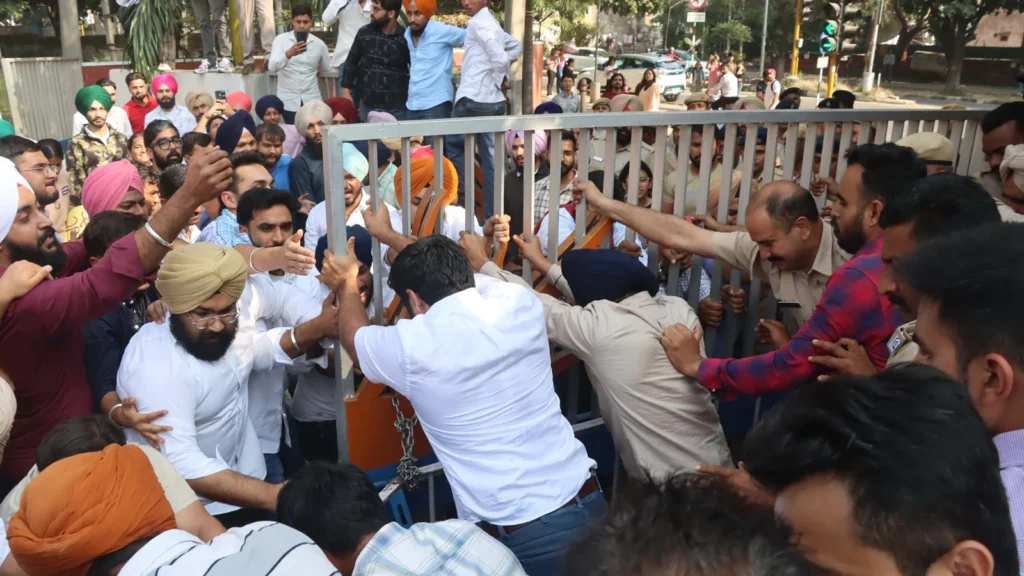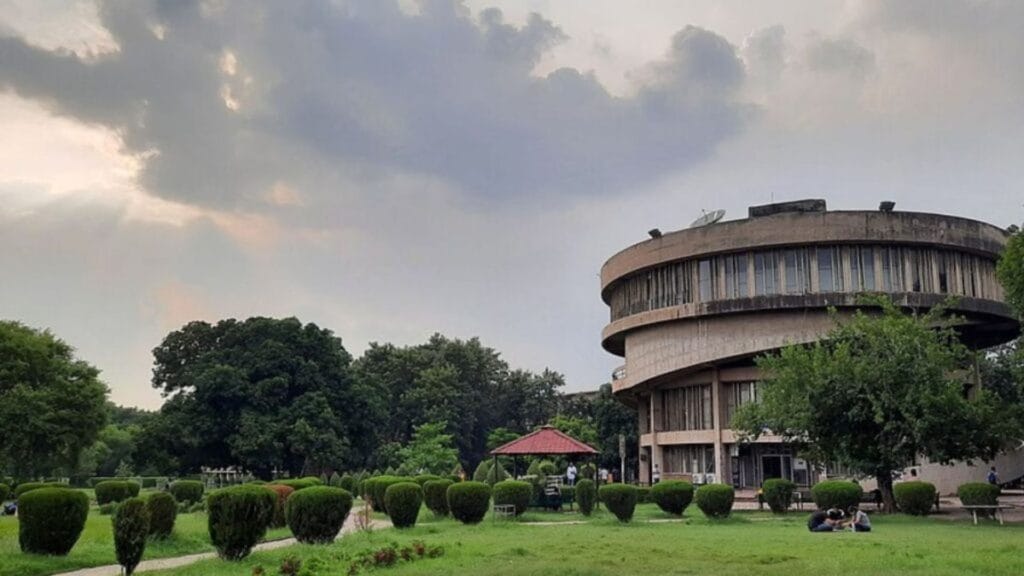
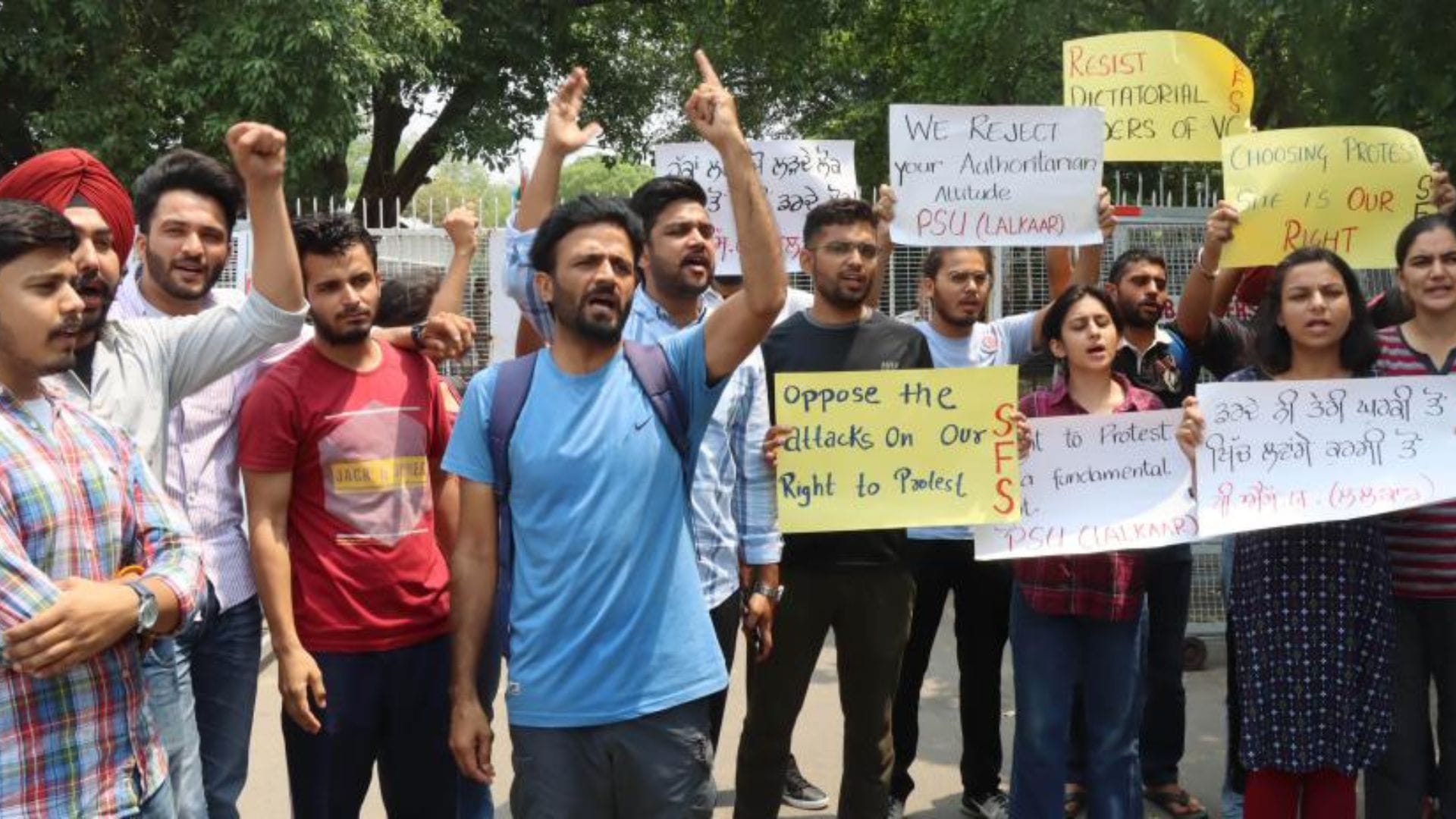

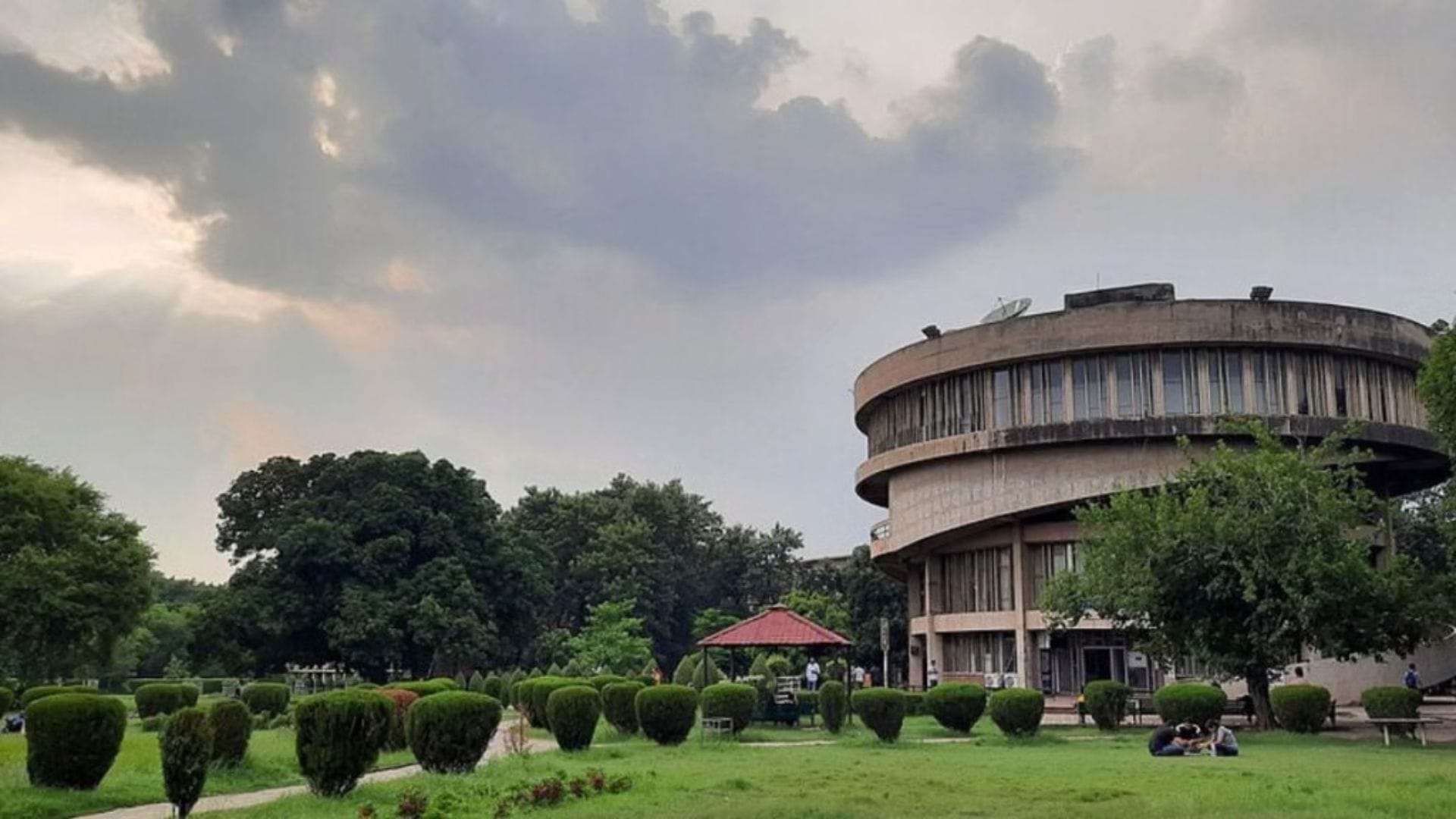
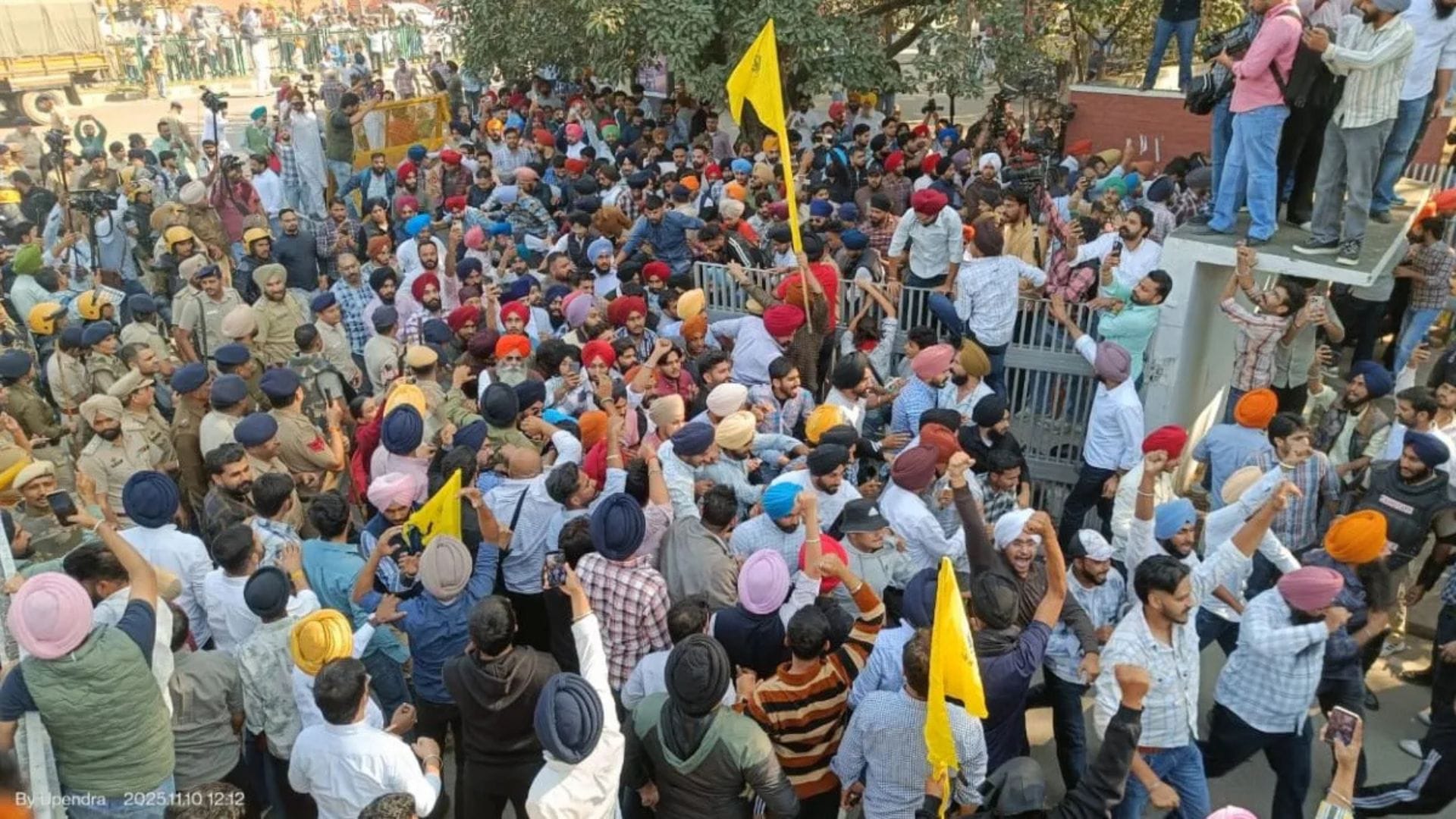


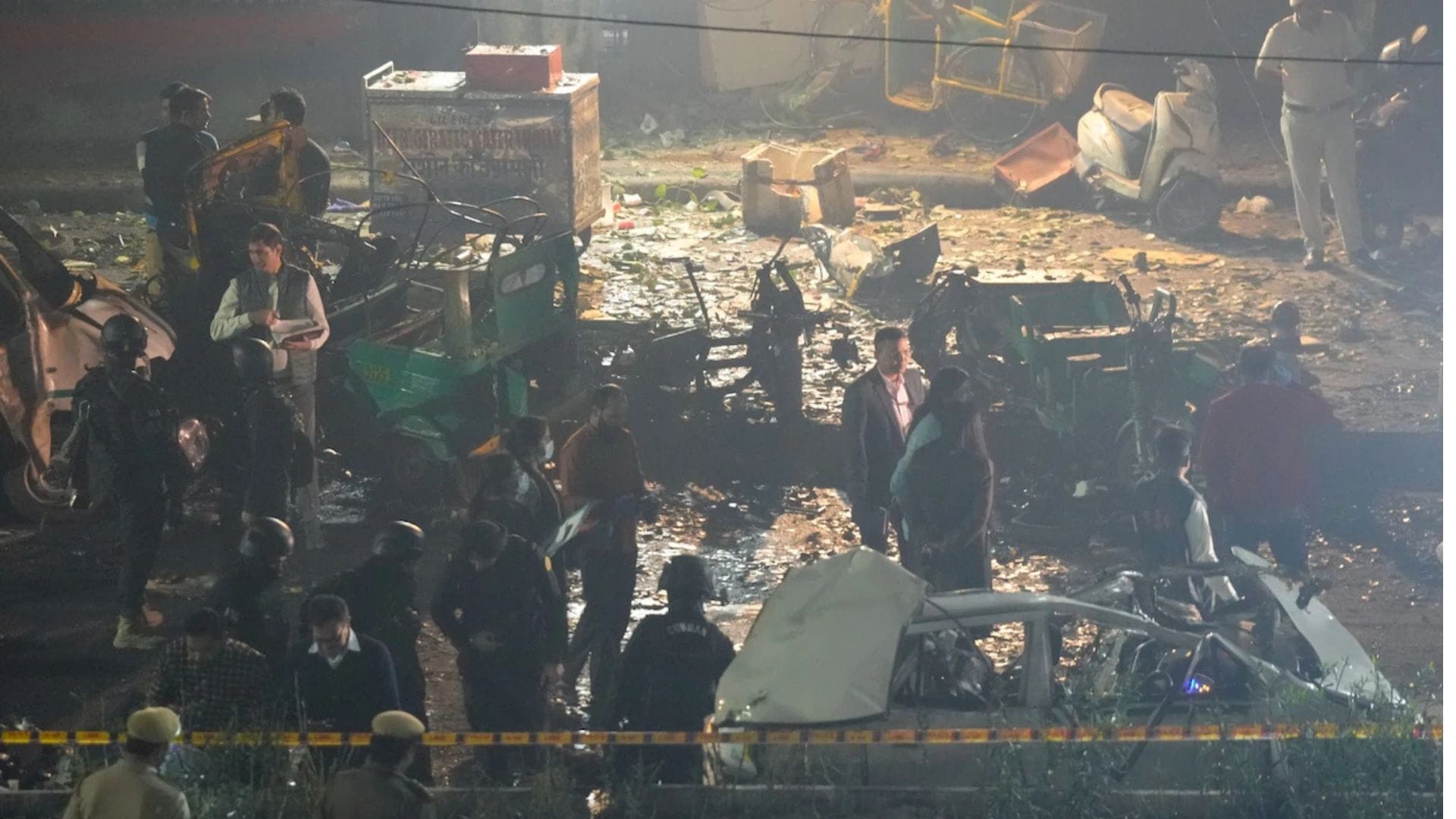
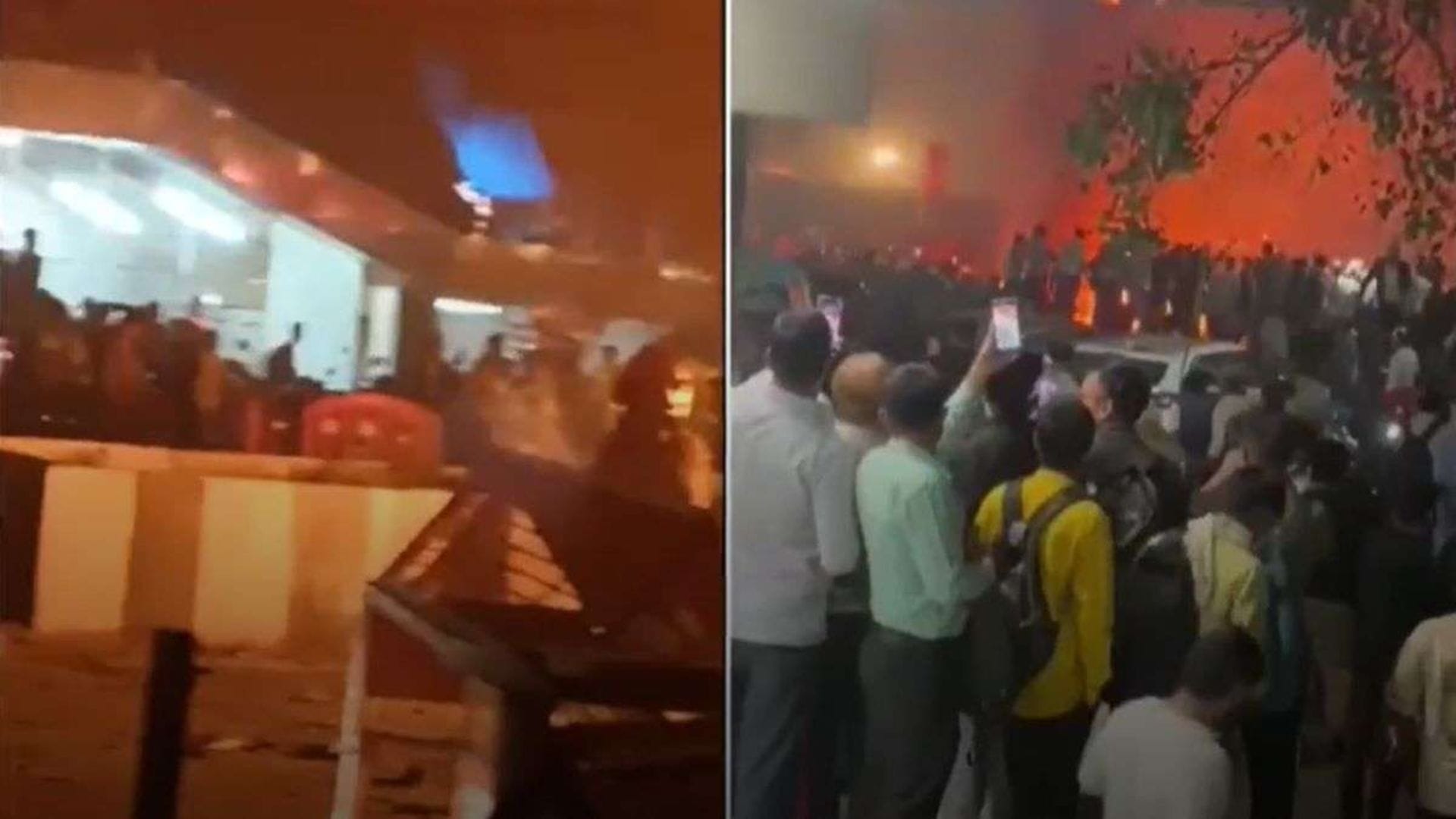
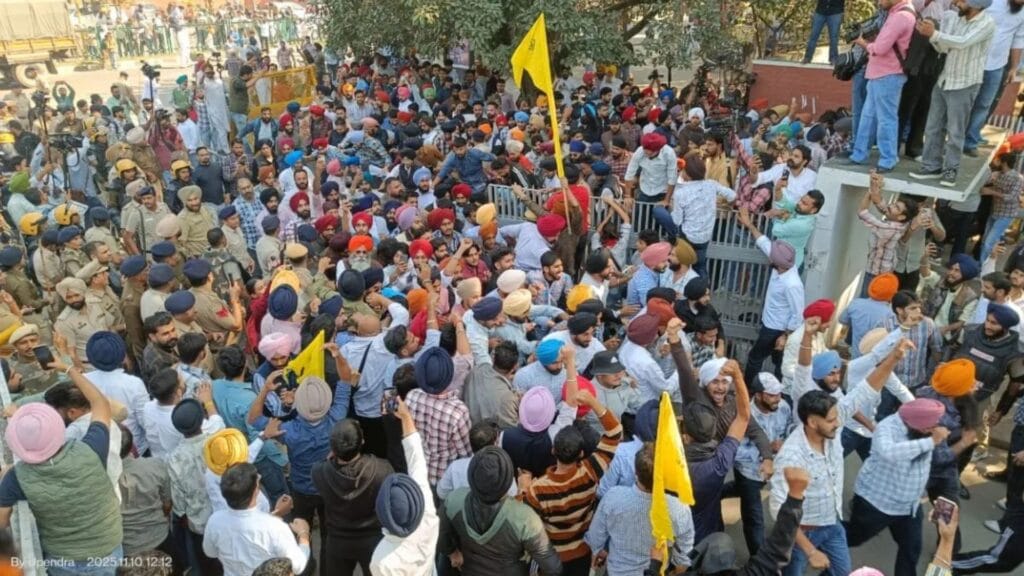
Chandigarh: The recent Panjab University (PU) protest, originally a fight by students for democratic governance, has dramatically morphed into a volatile collision of academia and radical identity politics. What began as a demand against the Central government’s move to dismantle the elected Senate and Syndicate—the university’s highest decision-making bodies—quickly saw the entry of Sikh and Panthic organizations, some with alleged pro-Khalistan leanings, fundamentally changing the nature of the agitation.
The core student issue was the Ministry of Education’s notification seeking to replace the autonomous, elected governance structure with a largely nominated one. Student unions united under the banner of the Panjab University Bachao Morcha to defend the university’s 143-year-old democratic tradition.
The Ideological Bridge: Autonomy and Identity
The student cause created a perfect ideological opening for Panthic and separatist groups to mobilize. Here is why these external forces became involved:
1. Framing the Fight as an Attack on Punjabi Identity
Panjab University, established in Lahore in 1882, holds immense historical and emotional significance for Punjab. The move by the Central government to unilaterally restructure its governance was widely perceived as a direct assault on the institution’s autonomy and, by extension, on Punjab’s claim and influence over the institution (especially since Chandigarh remains a contested Union Territory).
Panthic and Sikh organizations, including those that champion the cause of greater Sikh autonomy, immediately seized on this narrative. They framed the defense of the Senate not merely as an academic issue but as a crucial battle to protect a key Punjabi cultural and political asset from perceived “Central domination.” Slogans quickly shifted from campus-specific demands to political cries of “Panjab University Punjab Di” (Panjab University belongs to Punjab).
2. High-Profile Mobilization and Religious Symbolism
The sheer scale of the student mobilization provided a powerful, high-visibility platform for these external groups.
- Key Figures: Prominent figures associated with radical and separatist movements joined the protests. This included Tarsem Singh, the father of jailed pro-Khalistan activist and MP Amritpal Singh.
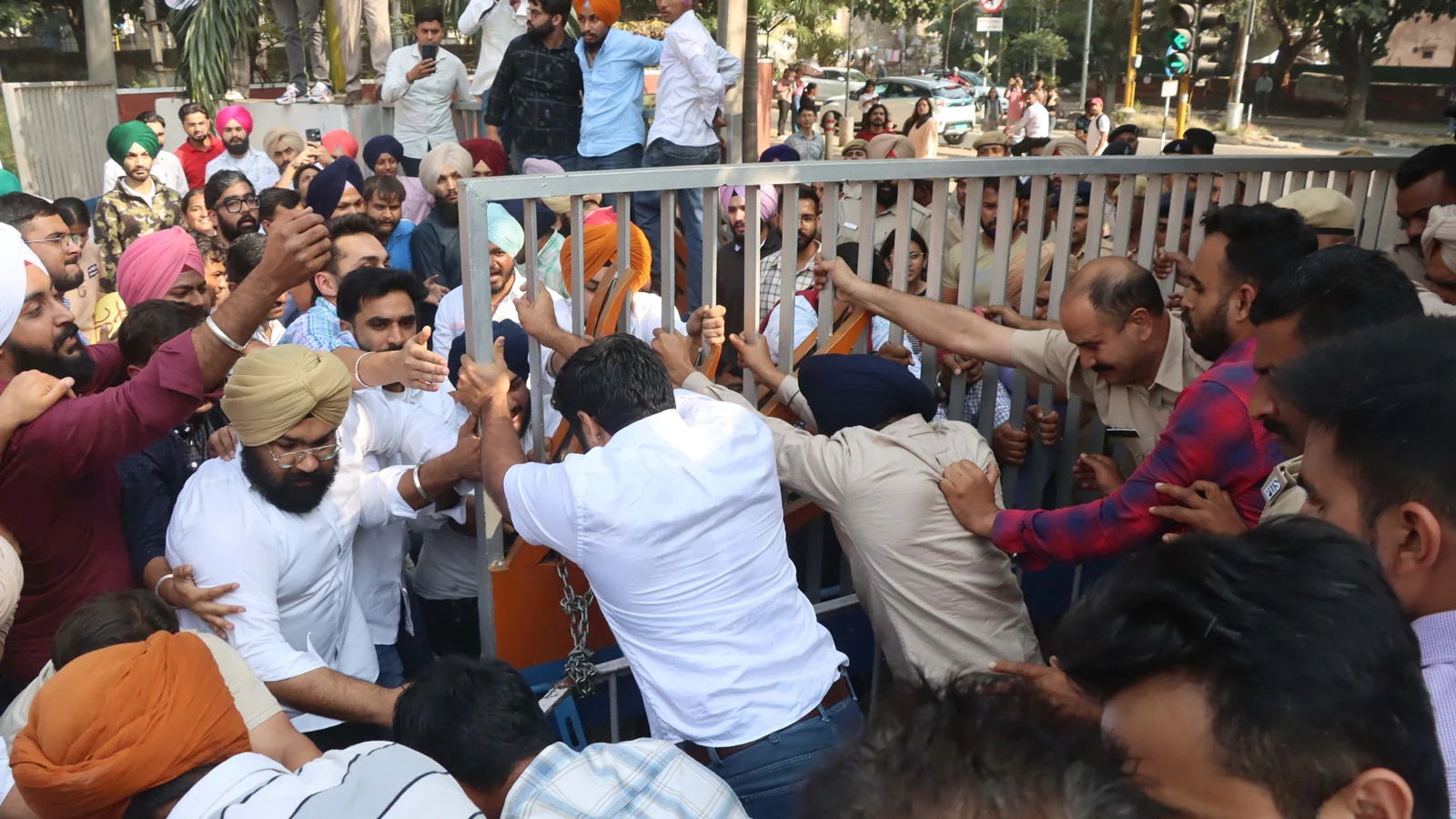
- Panthic Outfits: Groups like the All India Sikh Students Federation (AISSF) played a significant role in escalating the protest. Members of the AISSF, led by figures like Kanwar Charat Singh (grandson of a former Damdami Taksal chief), were reportedly seen pushing past police barricades and storming the university gates.
- Symbolic Slogans: The shift in focus was most evident in the slogans raised, such as “Raj Karega Khalsa” (The Khalsa Shall Rule), which tied the democratic student demand to a radical political and religious identity. The sight of a Nihang on horseback entering the campus—as witnessed during the peak of the unrest—added a dramatic, martial, and explicitly religious dimension to what began as a university protest.
3. Leveraging Anti-Establishment Sentiment
Student groups, particularly those on the left, are inherently anti-establishment, especially when opposing government measures that impact their democratic rights. Groups with a pro-Khalistan ideology share a fundamental anti-Centre and anti-establishment stance. This shared opposition to the ruling government at the Centre created an immediate, albeit temporary, alliance where the external groups could lend manpower and political weight to the agitation.
Conclusion: A Crisis of Governance
While the initial trigger for the protest—the dissolution of the Senate—had broad support across the political spectrum in Punjab, the involvement of radical elements turned it into a crisis of law and order and identity politics. The presence of these groups suggests an opportunistic move to leverage a mainstream grievance for their own political objectives, projecting an image of organizational strength and pushing their specific ideology onto the national stage. The result is a university campus that has become the latest battleground for a decades-old regional political struggle.
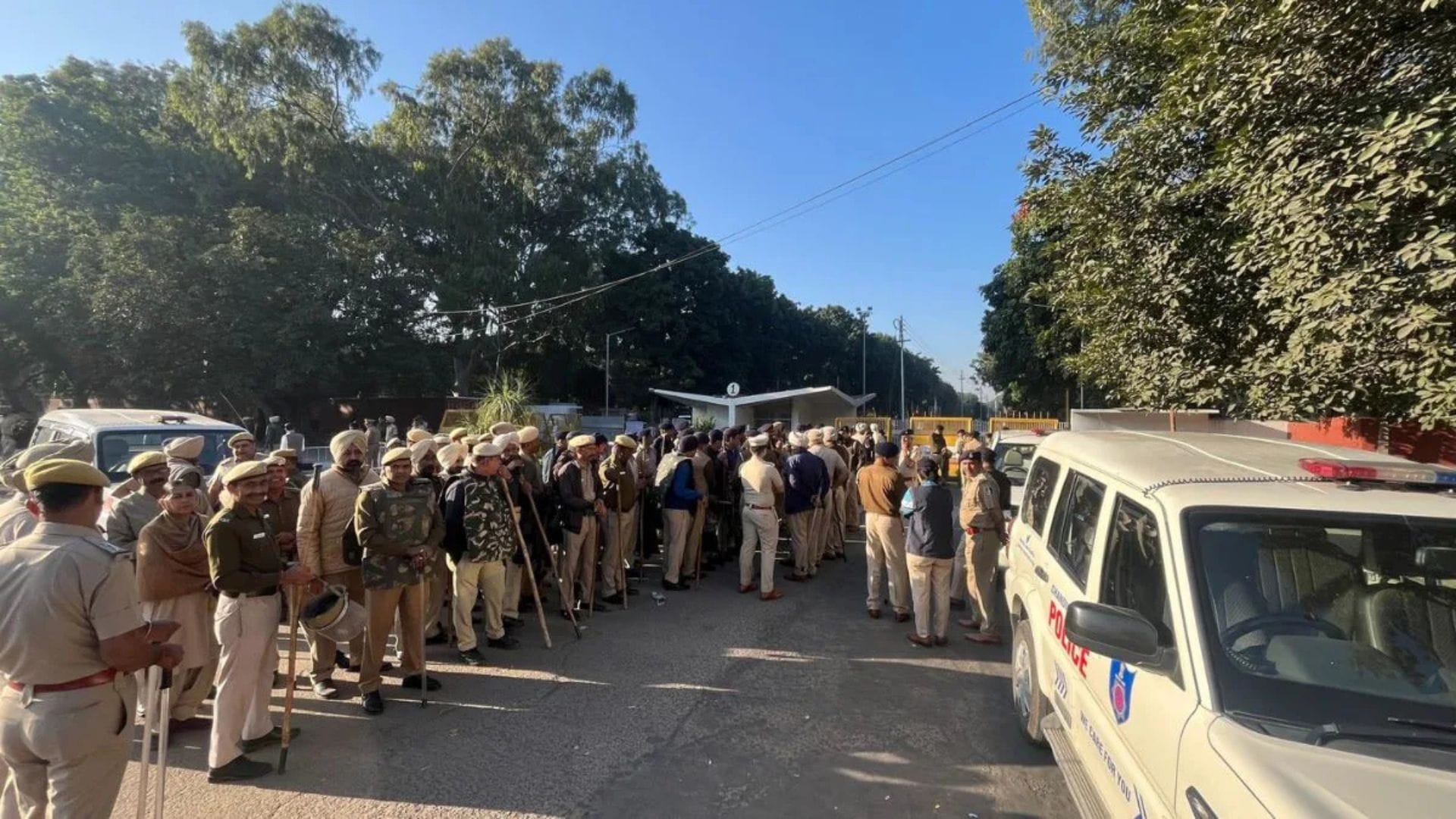
Police Deployed as Students Stage Protest Over Senate Elections at Panjab University: Police Deployed as Students Stage Protest Over Senate Elections at Panjab University. This video shows the security arrangements and the scale of the protest demanding Senate elections at Panjab University.