


















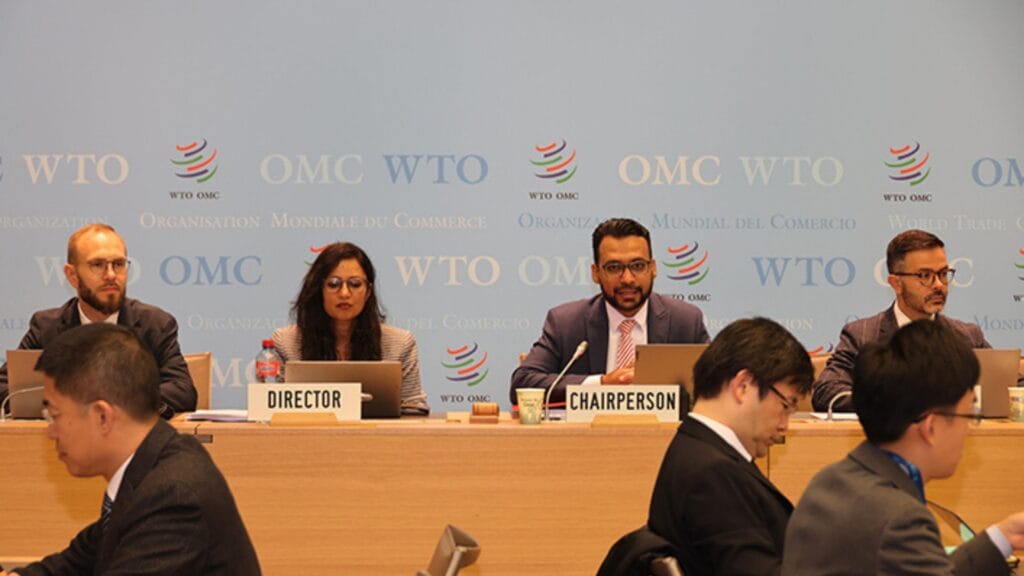
Geneva, – The intricate, often opaque system of determining a product’s “economic nationality” is back in the spotlight, as trade members intensify discussions on improving the transparency and application of non-preferential Rules of Origin (RoO). These rules, essential for everything from imposing anti-dumping duties to compiling trade statistics, are being scrutinized by international bodies like the World Trade Organization (WTO) to ensure they do not become subtle barriers to global trade.
The Core Issue: Non-Preferential vs. Preferential
Discussions frequently center on two distinct categories of RoO:
- Preferential Rules of Origin: These are the rules negotiated within Free Trade Agreements (FTAs) or other preferential trade pacts (like the Generalized System of Preferences, or GSP). Their sole purpose is to determine if a good qualifies for reduced or zero tariffs between partner countries.
- Non-Preferential Rules of Origin (The Focus): These apply to all other trade and are not about granting tariff breaks. Instead, they are the foundation for a country’s wider commercial policy. Their application is crucial for:
- Implementing Anti-Dumping and Countervailing Duties.
- Applying Safeguard Measures (emergency restrictions on imports).
- Determining Tariff Quotas and Quantitative Restrictions.
- Enforcing Origin Marking and labeling requirements.
- Compiling accurate Trade Statistics.
The Call for Transparency and Harmonization
Under the WTO’s Agreement on Rules of Origin, members are mandated to ensure their non-preferential rules are applied in an impartial, consistent, and transparent manner. Despite a long-standing goal since the Uruguay Round (1995), a complete set of harmonized, non-preferential RoO has yet to be finalized.
The renewed focus on transparency and the application of these rules stems from several critical challenges:
- Complexity of Global Supply Chains: As manufacturing processes are fractured across multiple countries, determining the “last substantial transformation” that confers origin is becoming increasingly difficult and subjective.
- Risk of Protectionism: Unclear or arbitrarily applied rules can be misused to pursue protectionist trade objectives, effectively restricting trade without imposing overt tariffs.
- Preventing Origin Fraud: Ensuring accurate origin helps customs authorities prevent misdeclaration intended to evade trade remedial duties or other restrictions.
Moving Forward: Digital Solutions and Due Diligence
To address these concerns, member countries are exploring practical solutions:
- Digitalization: Countries like Vietnam have recently been recognized for their efforts in maintaining transparency and preventing origin fraud, including the adoption of QR codes and other digital solutions in the issuance of Certificates of Origin (CoO).
- Stricter Documentation: Importing jurisdictions, such as the European Union, are increasingly strengthening their non-preferential rules by prescribing tighter norms and demanding comprehensive documentation from exporters to detail the entire production process.
For businesses engaged in international trade, the shifting landscape means that thorough due diligence in determining and documenting origin is more important than ever. The ongoing talks signal a global push for greater clarity, predictability, and fairness in the one area of international commerce that defines a product’s most basic identity: its origin.