


News Unwrapped

Thursday, January 15, 2026 2:24 PM
Hot News

India

India

🚨 Attention Flyers! Delhi Airport Hit by Massive Tech Glitch; Over 100 Flights Delayed

New Delhi, – Hundreds of passengers faced severe disruption at Indira Gandhi International Airport (IGIA), Delhi, this morning after a major technical fault in the Air Traffic Control (ATC) system caused cascading delays for over 100 flights. The glitch, which began late Thursday, forced air traffic controllers to abandon automated processes and resort to manual procedures, drastically slowing the country’s busiest airport operations.   The Root Cause: AMSS Failure   The chaos has been attributed to a malfunction in the Automatic Message Switching System (AMSS). The AMSS is a critical component of the ATC infrastructure, responsible for automatically transmitting crucial flight plan data, weather updates, and operational messages between ATC and airlines. System Failure: The AMSS crash prevented controllers from automatically receiving flight plans and other necessary data on their screens. Manual Processing: To maintain the highest safety standards, controllers had to revert to a significantly slower manual process: physically compiling and coordinating flight plans using available data. The Bottleneck: This manual workflow severely reduced the number of flights that could be processed per hour, leading to extensive congestion both on the ground and in the airspace. Flight tracking data indicated that the average departure delay climbed to approximately 50 minutes across the day. Airlines Issue Urgent Advisories   Major carriers, including IndiGo, Air India, and SpiceJet, immediately issued advisories to their passengers, urging them to check their flight status before heading to the airport. 📢 IndiGo Advisory: “Flight operations at #Delhi Airport are currently experiencing delays due to a technical issue with the Air Traffic Control (ATC) system. As a result, flight operations at Delhi and several northern regions are impacted1.” The Airports Authority of India (AAI), which manages the ATC services, confirmed the issue and stated that technical teams are working to restore the system. However, no definitive timeline for a return to normal operations has been provided. Widespread Impact Beyond Delhi   As a key hub for North India and a major international gateway, the disruption at Delhi Airport has had far-reaching consequences: Cascading Delays: The delays have spread throughout the domestic network, grounding aircraft and disrupting crew schedules across the country. Passenger Frustration: Passengers reported long wait times at boarding gates and inside already-boarded aircraft, with many missing onward connections. The situation underscores the acute dependence of modern aviation on automated digital infrastructure. Advice for Travelers   If you are flying to or from Delhi (IGIA) in the immediate future: Check Status: Do not proceed to the airport without confirming the updated status of your flight directly with your respective airline (e.g., via their website or mobile app). Allow Extra Time: Anticipate and prepare for extended wait times for check-in and security, even after the ATC system is fully restored, due to the lingering backlog. Contact Airline: For rebooking, cancellation, or compensation inquiries, contact your airline’s customer service channels. Would you like me to check for the latest official update on the status of the ATC system restoration at Delhi Airport?
India, Important News

The Viral Voter: Rahul Gandhi Presser Puts Global Spotlight on Brazilian Woman, Igniting Electoral Fraud Debate

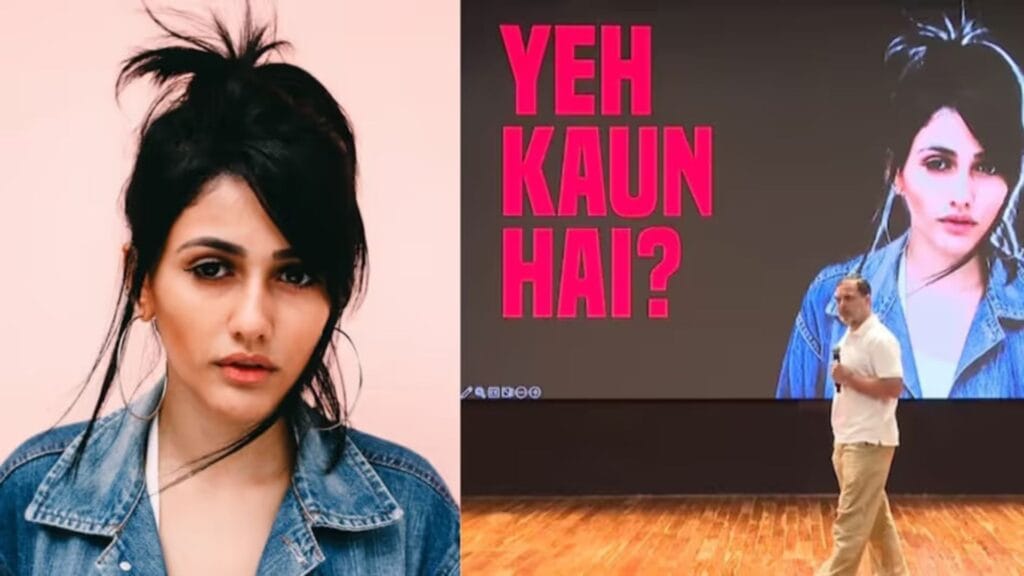
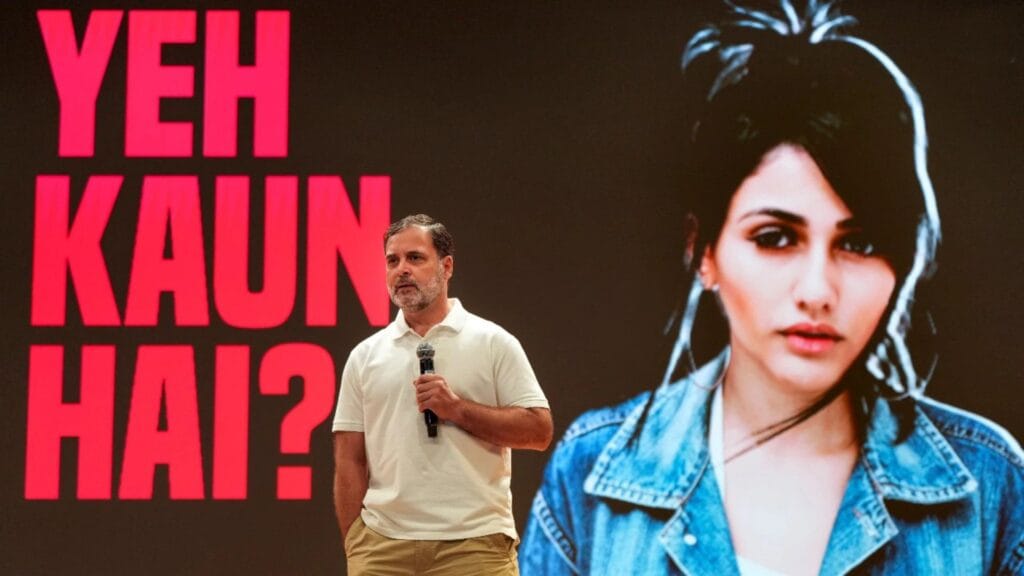
New Delhi,A routine Congress press conference on alleged electoral fraud in Haryana has suddenly become a global social media sensation, thanks to the unexpected involvement of a Brazilian woman whose photograph, a stock image, allegedly appeared on dozens of voter IDs in the state.1 Congress leader and Leader of the Opposition in the Lok Sabha, Rahul Gandhi, held a presser on Wednesday to unveil the “H-Files,” a dossier he claims proves large-scale “vote chori” (vote theft) in the recent Haryana Assembly elections.   The “Brazilian Model” Claim During the conference, Mr. Gandhi presented a section of the Haryana voter list showing the exact same woman’s face repeated multiple times under different Indian names, including ‘Seema,’ ‘Sweety,’ and ‘Saraswati,’ across various polling booths in the Rai constituency. Challenging reporters to guess the woman’s identity, Mr. Gandhi revealed that the image belonged to a Brazilian woman and was, in fact, a stock photograph misused on official electoral rolls.4 He claimed this was crystal-clear proof of a “centralised operation” to manipulate the voter database and alleged that nearly 25 lakh voters in the state were either fake or duplicated.   Internet Finds the Woman: Larissa Nery Reacts   The image immediately went viral, and the internet quickly identified the woman as Larissa Nery, a hairdresser and model from Belo Horizonte, Brazil.6 Within hours, a video of Nery reacting to the bizarre controversy began circulating widely on Indian social media platforms. In the video, Nery expresses shock and amusement: “Guys, I’m gonna tell you a joke — it’s too horrible! They’re using an old picture of me for elections in India, showing me as Indian. What a mess! I couldn’t believe it when a friend sent me the photo again.” Nery clarified that the image was an old stock photo from a photoshoot years ago, and she was completely unaware of its use in Indian politics.10 She also confirmed that she has never visited India.1 The Bigger Controversy   While the revelation of a foreign stock image being used on Indian voter rolls has sparked a meme frenzy, the core political issue remains serious. Congress Allegations: The Congress party maintains that the use of a stock image, which is easily available online, on multiple voter IDs points to an organized, top-down conspiracy to inject fake or duplicate votes into the system. Mr. Gandhi asserted that this mechanism was instrumental in converting a predicted Congress landslide into a loss.   Election Commission Response: The Election Commission of India has been questioned over the integrity of its data and the process of updating voter photographs. The Election Commission is yet to formally address the specific allegation of the Brazilian stock image. Local Voters Speak Out: Separately, media reports have tracked down some of the local voters whose names were attached to the viral photograph. Some women denied the allegations of fraud, claiming they had voted personally, and attributing the photo on their ID cards to a “printing error” or a long-standing photo misprint from a data entry operator. The political clash over the integrity of the voting process, backed by the unexpected testimony of a bewildered Brazilian woman, has ensured the debate over the “H-Files” remains at the forefront of the national political discourse. Watch the Brazilian Woman’s Response to the Controversy here: Brazilian Model Responds To Her Viral Picture During Rahul Gandhi’s ‘Vote Chori’ Press Conference This video provides the reaction of the Brazilian woman whose photograph was at the center of Rahul Gandhi’s press conference regarding the alleged voter fraud.  

India

The Tracks Are Clear: Supreme Court Orders Immediate Removal of Stray Dogs and Cattle from Railway Stations, Public Places, and Highways

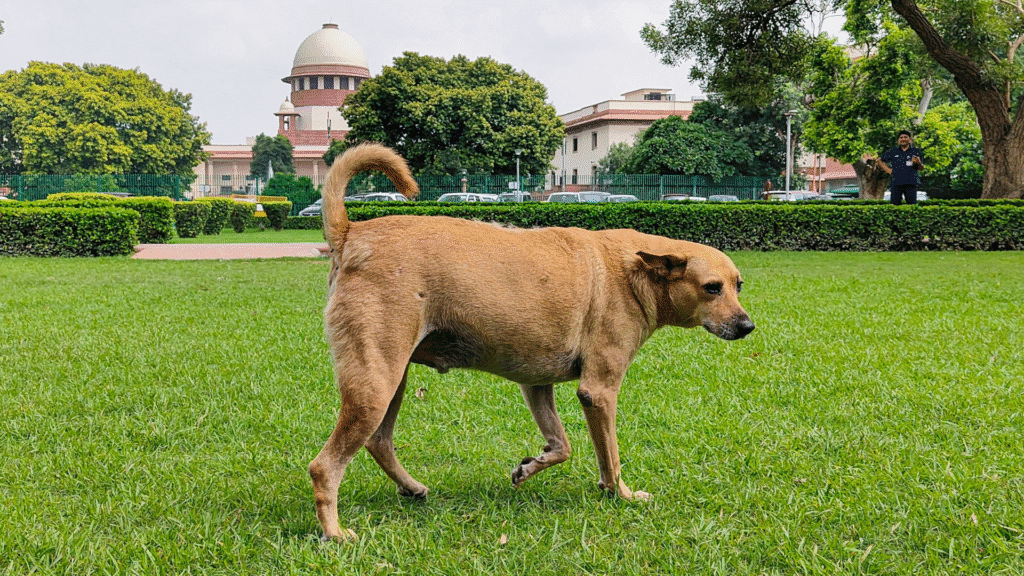
New Delhi, In a significant order aimed at enhancing public safety and addressing the nationwide menace of stray animals, the Supreme Court of India has issued stringent directives for the immediate removal of stray dogs and cattle from key public infrastructure, including railway stations, bus stands, hospitals, educational institutions, and all national and state highways. The three-judge special bench, comprising Justices Vikram Nath, Sandeep Mehta, and N. V. Anjaria, passed the sweeping directions after noting the “alarming rise” in dog bite incidents, particularly in institutional areas, and the fatal accidents caused by stray cattle on high-speed expressways.   Key Directives: Clearing Institutional Areas and Transport Hubs   The Supreme Court’s order, delivered as part of an ongoing suo motu (on its own motion) case concerning stray dog management, focuses on insulating specific high-traffic, sensitive zones from the threat posed by strays. 1. Railway Stations and Public Premises: Immediate Removal and Relocation: All stray dogs must be forthwith removed from the premises of government and private educational institutions, hospitals, public sports complexes, bus stands, depots, and railway stations. No Release Back: Crucially, the court has directed that the dogs so picked up shall not be released back to the same location from which they were picked up. They must be relocated to a designated shelter after due sterilization and vaccination, as per the Animal Birth Control (ABC) Rules, 2023. Securing Premises: Administrative heads of these institutions must ensure the premises are secured with adequate fencing, boundary walls, and gates to prevent the ingress of stray dogs. This exercise must be completed within eight weeks. Nodal Officers and Inspection: Every institution must designate a nodal officer responsible for ensuring strays do not enter the campus. Local municipal authorities and Panchayats are mandated to carry out regular inspections at least once every three months.   Zero Tolerance for Strays on Highways   The court also moved decisively to tackle the danger posed by stray cattle and other animals on the country’s road network, affirming earlier directions of the Rajasthan High Court. 2. Highways and Expressways: Mandatory Removal of Cattle: Authorities, including the National Highways Authority of India (NHAI), must ensure the immediate removal of all cattle and other stray animals from national highways, state highways, and national expressways. Joint Coordinated Drive: A joint, coordinated drive must be undertaken to identify stretches where stray cattle are frequently found. Helpline Numbers and Patrols: All major highways must prominently display helpline numbers at regular intervals for commuters to promptly report the presence of stray animals or accidents caused by them. Dedicated highway patrol teams are to be constituted for continuous surveillance and immediate response. Shelter and Care: Removed animals must be kept in appropriate cattle pounds or shelters and provided with necessary food, water, and veterinary care in accordance with the law.   Accountability and Compliance   The Supreme Court has placed the responsibility for strict enforcement squarely on the highest authorities. Chief Secretaries Responsible: The Chief Secretaries of all States and Union Territories have been directed to ensure strict compliance with the order. Personal Accountability: The court explicitly warned that any “lethargy in this regard shall be viewed seriously,” and the concerned officers will be held personally accountable for non-compliance. Status Reports: States and UTs must file comprehensive status compliance reports detailing the remedial mechanisms within eight weeks before the matter is taken up for further hearing on January 13, 2026. This directive marks a major judicial push for public health and safety, signaling a shift toward more centralized and immediate action to manage the stray animal population in sensitive public areas across India.

India

A Historic Sin’: BJP Accuses Nehru of Removing Maa Durga Stanzas from Vande Mataram in 1937

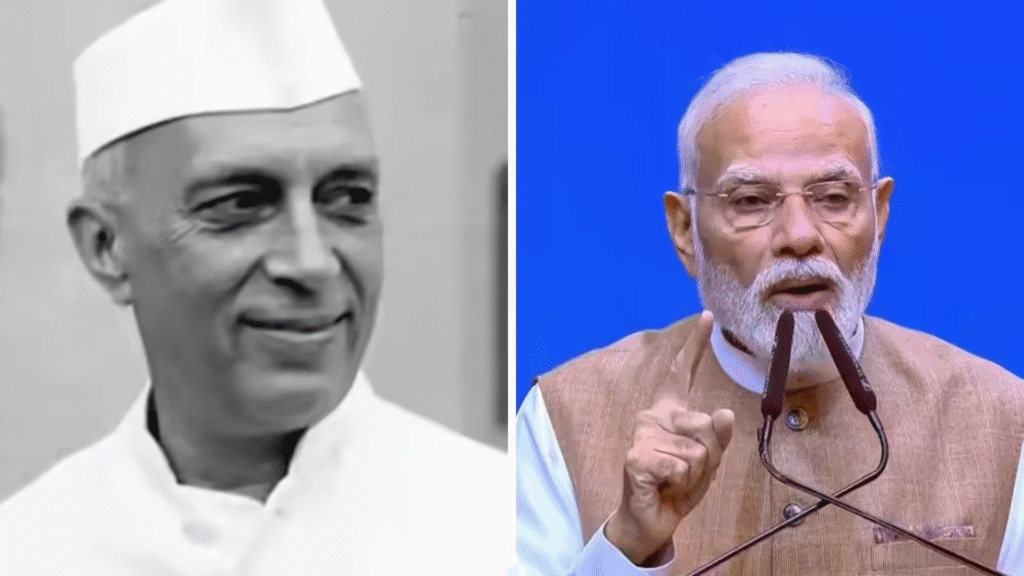
New Delhi: On the occasion of the nationwide commemoration of the 150th anniversary of Vande Mataram, the national song has become the center of a fresh political controversy. The Bharatiya Janata Party (BJP) has launched a significant historical charge, accusing India’s first Prime Minister, Jawaharlal Nehru, of committing a “historic sin” by deliberately truncating the song in 1937, specifically removing stanzas that hailed Goddess Maa Durga.   The Core Allegation: Truncating the National Song   The charge, led by BJP spokespersons and echoed by Prime Minister Narendra Modi, is focused on the decision taken by the Congress Working Committee (CWC) in 1937. The Claim: BJP asserts that the Congress, under the presidency of Nehru, adopted only the first two stanzas of Bankim Chandra Chatterjee’s original six-stanza composition, omitting the later verses that contained direct devotional references to Hindu deities like Durga, Lakshmi, and Saraswathi. The Motive Cited: According to the BJP, this action was driven by a “communal agenda” to appease certain sensitivities, primarily the concerns raised by sections of the Muslim League who viewed the song’s strong idol-worshipping imagery as exclusionary. Historical Evidence: BJP leaders have cited historical documents, including letters written by Nehru to Netaji Subhas Chandra Bose in 1937, where Nehru reportedly stated that the full song’s background was “likely to irritate Muslims” and opined that the song was “not suitable as a national song.” Prime Minister Narendra Modi, while inaugurating the year-long commemoration, weighed in on the issue, stating that the decision to drop the important stanzas in 1937 “not only broke the song into pieces but also sowed the seeds of partition.”   The 1937 Context: The Congress Resolution   Vande Mataram, penned by Bankim Chandra Chatterjee in the 1870s and published in his novel Anandamath in 1882, became the rallying cry of the Indian freedom movement. It was first sung in an Indian National Congress session by Rabindranath Tagore in 1896. The 1937 decision by the CWC followed protests from the Muslim League, especially in provinces where Congress formed governments, over the singing of the full song. The Resolution: The Congress officially adopted only the first two stanzas as the national song, arguing that these initial verses—which depict the motherland in geographical and non-deity-specific terms—were unobjectionable to any community. The later stanzas, which explicitly deified the nation as a manifestation of Goddess Durga, were the ones removed from the Congress’s official public recital. Role of Intellectuals: Historical accounts suggest the CWC resolution was influenced by advice sought from various quarters, including Rabindranath Tagore, who reportedly found the later stanzas, while harmless, potentially objectionable to those who believed in monotheism.   Congress Hits Back: ‘Proud Flagbearer’   The Congress party has swiftly rejected the BJP’s charges, labeling them a “distortion of history.” Congress President Mallikarjun Kharge asserted that the party has always been the “proud flagbearer” of Vande Mataram, which “awakened the collective soul of the nation.” Congress leaders pointed out that the 1937 decision was an attempt to maintain unity across religious lines during the freedom struggle. Senior Congress leader Jairam Ramesh cited historical accounts, noting that the decision was a crucial step taken to define the song’s place in public life and highlighted that the full song was one of the central symbols of the freedom movement that the Congress championed. The political exchange ensures that as India celebrates 150 years of its powerful national song, the debate over its history, original form, and symbolism will remain intensely political.

Bihar Elections

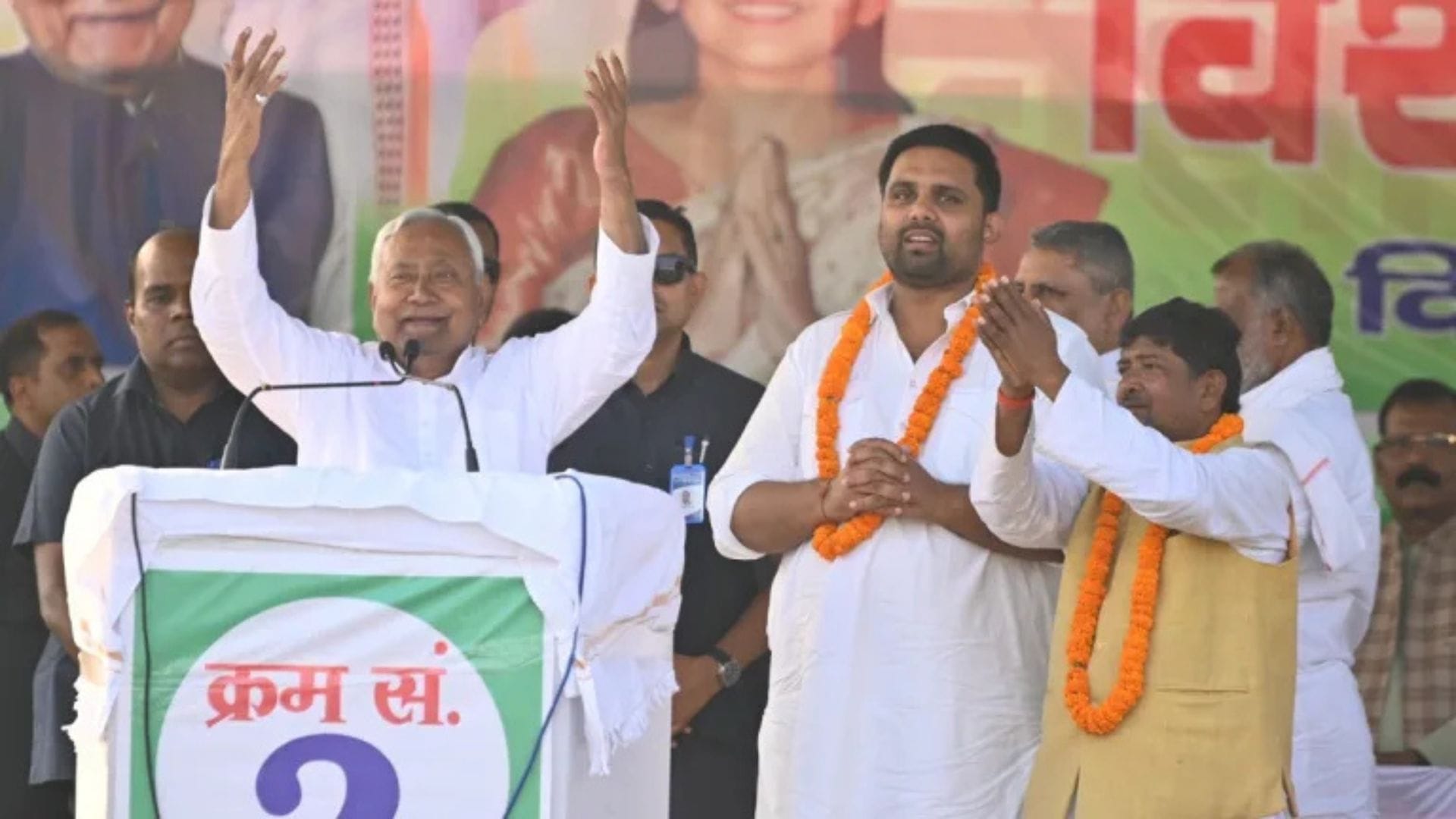
Bihar Assembly Election 2025 Live Updates: NDA wants to form govt in Bihar through ‘vote chori’, says Priyanka Gandhi

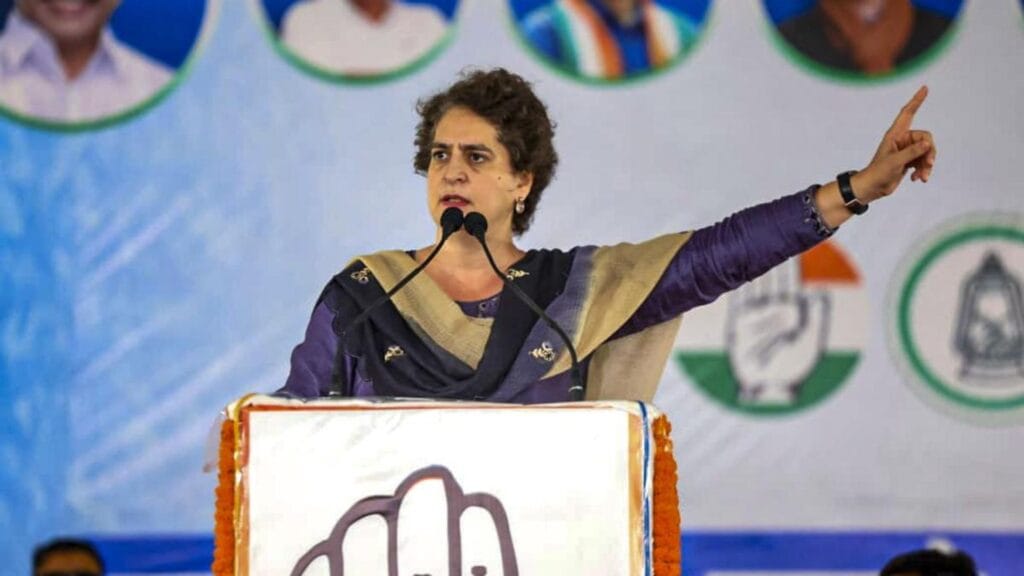
DATE: November 5, 2025 PATNA: With campaigning for the first phase of the Bihar Assembly elections drawing to a close, the political atmosphere has become intensely charged, with the Opposition’s core message centering on an explosive allegation of “vote theft.”2 Congress General Secretary Priyanka Gandhi Vadra launched a fierce attack on the National Democratic Alliance (NDA) on Wednesday, accusing the ruling alliance of attempting to subvert the democratic process to secure a victory. Addressing a public rally in Valmiki Nagar, West Champaran, Ms. Gandhi claimed, “The NDA wants to form the government in Bihar through ‘vote chori’ (vote theft).” The ‘Vote Chori’ Allegation: Targeting Electoral Rolls The Congress leader detailed the basis of her allegation, specifically pointing to the systematic revision of electoral rolls. She claimed that the names of approximately 65 lakh people, including a large number of women, have been deleted from the voter lists through the Systematic Information Revision (SIR) process. “They have put your vote in danger,” Ms. Gandhi told the crowd, stating that ‘vote chori’ is a “new way to suppress people” and a deliberate effort to undermine democracy. She urged the electorate to recognize their power and act against the alleged manipulation. “Why are you silent? Why don’t you recognise your power—change them, drag their government out and make a new government,” she exhorted the voters. Backing Rahul Gandhi’s ‘H-Files’ Priyanka Gandhi’s remarks came just hours after her brother and Leader of the Opposition in Lok Sabha, Rahul Gandhi, held a press conference in Delhi, releasing what he called the “H-Files.” This document alleged widespread and systematic voter irregularities in the recent Haryana Assembly elections, claiming the Congress’s victory was “converted into a BJP win” through planned manipulation. Priyanka Gandhi strongly supported her brother’s claims, asserting that the pattern of alleged vote-theft was not an isolated incident but part of a larger, systemic plan that extends to Bihar. NDA Fires Back: ‘HIRA’ vs. ‘Jungle Raj’ The ruling NDA, comprising the BJP and the JD(U), has vehemently denied the allegations and swiftly mounted a counter-offensive, dismissing the claims as a desperate attempt by a losing opposition to question democratic institutions. J.P. Nadda’s Development Pitch: BJP National President J.P. Nadda, while campaigning in Bettiah and Motihari, rejected the opposition’s rhetoric and presented the NDA’s vision for the state, stating that “NDA stands for HIRA” (Highway, Internet, Railway, and Airport). He credited Prime Minister Narendra Modi and Chief Minister Nitish Kumar for moving Bihar from the “lantern era to the LED era” and warned the state against a return to the “jungle raj” of the RJD’s past rule. Questioning Institutions: Union Minister Kiren Rijiju also slammed Rahul Gandhi’s “H-Files,” accusing the Congress leader of targeting “not just the BJP, but our country’s system and the credibility of its institutions,” calling it a “well-planned conspiracy.” Campaigning Wraps Up Ahead of Phase One The war of words has set the stage for a tense electoral battle. The high-octane campaign for the first phase of the Bihar Assembly elections ended on Tuesday, setting the stage for polling on Thursday, November 6, for 121 seats. The second phase of voting for the remaining 122 seats will take place on November 11, with the results for all 243 seats scheduled to be declared on November 14, 2025. The election has now turned into a direct clash between the NDA’s focus on development and stability under the double-engine government, and the Opposition’s charge of a compromised democracy, unemployment, and an urge to “chase them out of power.”  

India

The Price of Justice: Recalling the Shah Bano Case as Film ‘Haq’ Reignites India’s Biggest Legal-Religious Debate

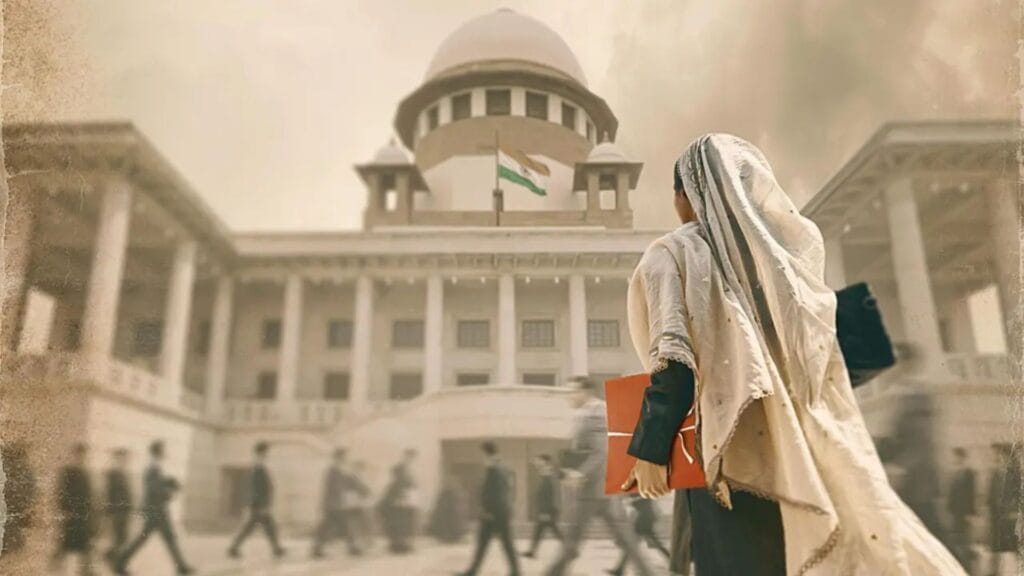
New Delhi | November 5, 2025 The upcoming release of the film ‘Haq’, starring Yami Gautam Dhar and Emraan Hashmi, is doing more than just filling cinema seats—it’s reopening one of the most consequential chapters in India’s legal and political history: the landmark Shah Bano Begum case of 1985. Scheduled for release on November 7, the courtroom drama is inspired by the battle of Shah Bano, an Indore woman whose pursuit of dignity and financial security after divorce exposed the deep fault lines between secular law, religious personal laws, and women’s rights in the country. The controversy is already building, with Shah Bano’s own daughter reportedly moving the High Court to seek a stay on the film’s release, alleging unauthorized and misrepresented depiction of her mother’s life.   The Fight for Maintenance: Why Shah Bano Went to Court The story begins in 1978, when 62-year-old Shah Bano Begum, a mother of five, was divorced by her husband, Mohammed Ahmed Khan, a prominent lawyer, after 43 years of marriage. After her husband stopped providing the promised maintenance, she took a courageous step and filed a petition in the local court. Her legal fight was not filed under Muslim Personal Law, but under Section 125 of the Criminal Procedure Code (CrPC). This is a secular, welfare provision that applies to all citizens, regardless of religion, and mandates that a person of sufficient means must provide maintenance to dependents, including a divorced wife who is unable to maintain herself. Her husband contested the plea, arguing that under Muslim Personal Law, his financial obligation was limited to the iddat period—the mandatory waiting period of roughly three months following the divorce—and the payment of Mehr (dower).   The Landmark Verdict That Shook the Nation On April 23, 1985, the Supreme Court of India delivered a unanimous verdict that would reshape the national conversation on gender justice. The five-judge Constitution Bench ruled decisively in Shah Bano’s favor, holding that: Section 125 of CrPC is secular and applies to all citizens to prevent destitution and vagrancy. A divorced Muslim woman is entitled to maintenance from her former husband beyond the iddat period if she cannot maintain herself. The judgment asserted that secular law takes precedence over personal law in matters of maintenance to ensure basic human rights. The court even took the opportunity to express regret that Article 44 of the Constitution, which calls for a Uniform Civil Code (UCC)—a common set of laws governing personal matters for all citizens—remained a “dead letter.”   The Political Overturn: The Act of 1986   The progressive judgment was immediately met with fierce backlash from conservative Muslim groups and clerics, who viewed it as an encroachment on Sharia law and an attack on their religious identity. Massive protests and political polarization ensued. Under immense pressure, the then-Rajiv Gandhi-led government enacted the Muslim Women (Protection of Rights on Divorce) Act, 1986. This Act effectively nullified the Supreme Court’s verdict, severely restricting the rights of divorced Muslim women by limiting the husband’s liability for maintenance to only the duration of the iddat period. After that, the woman was to rely on relatives or the state-run Waqf Board.   A Legacy That Endures Today   Despite the political reversal, the spirit of the Shah Bano judgment was later upheld by the Supreme Court through creative interpretation. In the Danial Latifi v. Union of India case, the court ruled that the “reasonable and fair provision and maintenance” mandated by the 1986 Act must be a one-time lump-sum payment made during the iddat period, sufficient to maintain the divorced woman for the rest of her life. This restored much of the financial protection initially granted to Muslim women. The case remains a watershed moment, not just for maintenance law, but for setting the stage for subsequent judicial reforms. It laid the groundwork for the eventual striking down of Triple Talaq (instantaneous divorce) by the Supreme Court in 2017, demonstrating the judiciary’s ongoing role in safeguarding gender equality against the rigidities of personal laws. As ‘Haq’ reaches the silver screen, it serves as a powerful reminder of the arduous fight for a uniform code of justice, where a woman’s fundamental rights stand above religious and political expediency.  

India

Faith and Friction: Pakistan Denies Entry to Hindu Pilgrims in Sikh ‘Jatha’

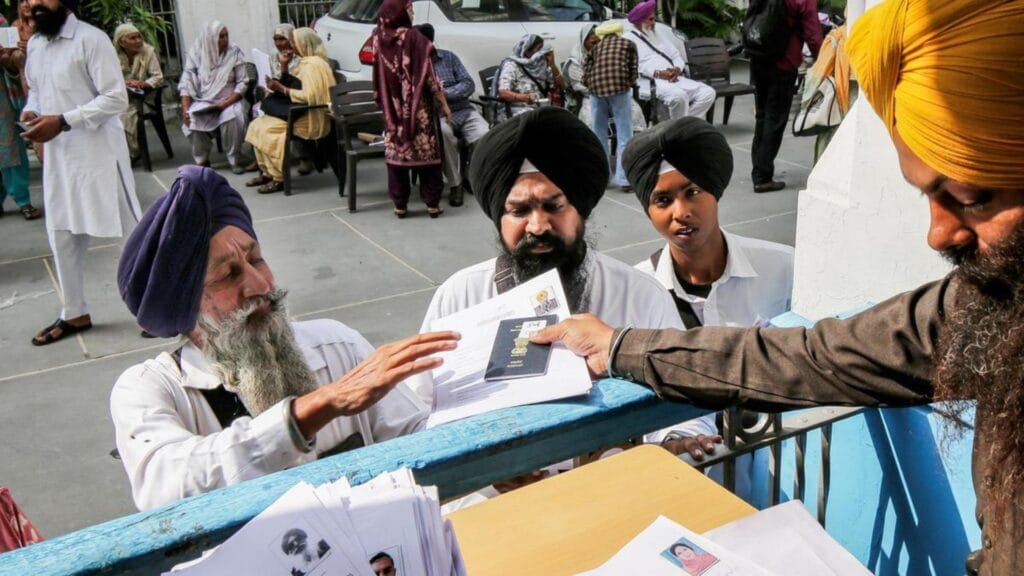
New Delhi | November 5, 2025 In a concerning incident highlighting the persistent religious friction in cross-border relations, Pakistan has reportedly denied entry to seven Indian citizens who were part of a Sikh pilgrimage group (jatha) traveling to commemorate the birth anniversary of Guru Nanak. The stated reason for the denial was simply: “You are Hindu”. The pilgrims were traveling as part of a larger jatha, a group of Sikh devotees, to holy sites in Pakistan to mark the birth anniversary of the founder of Sikhism, Guru Nanak Dev Ji. The denial of entry to members of the group based on their Hindu faith has sparked immediate concern and raised questions about the criteria and discriminatory practices being employed for religious tourism visas.   The Pilgrimage and the Protocol Every year, thousands of Sikh devotees from India travel to Pakistan to visit Gurdwaras, including Gurdwara Janam Asthan in Nankana Sahib, the birthplace of Guru Nanak Dev Ji. These visits are generally facilitated under a bilateral protocol that aims to ensure smooth travel for religious purposes. The inclusion of Hindu members in the jatha is a common occurrence, reflecting the deep cultural and historical ties between Sikhism and Hinduism, as well as the composite nature of Indian society. The pilgrims who were denied entry were following the same religious itinerary as the Sikh members of their group.   A Step Backwards? This incident is particularly jarring as both nations have often sought to use religious pilgrimage as a path for cultural and people-to-people exchanges, notably with the Kartarpur Corridor connecting Dera Baba Nanak in India to Gurdwara Darbar Sahib in Pakistan. The reported rationale—that being Hindu disqualifies an Indian citizen from being part of a Sikh pilgrimage group—is a clear case of religious profiling. It directly contradicts the spirit of the pilgrimage, which celebrates a faith whose founder championed universal brotherhood and religious tolerance. The denial of entry based on the identity “You are Hindu” suggests an institutional bias against Indian nationals of a specific faith, even when they are part of a widely recognized religious delegation. The Indian Ministry of External Affairs is expected to take up the matter with Pakistani authorities to seek an immediate clarification and ensure that such religious discrimination does not occur in future pilgrimages. The incident casts a shadow over the festive occasion of Guru Nanak’s birth anniversary, turning a spiritual journey into an unfortunate episode of bureaucratic and religious exclusion. Would you like to search for official statements from the Indian or Pakistani governments regarding this incident, or would you be interested in an analysis of the visa protocols for religious travel between the two countries?

Bihar Elections

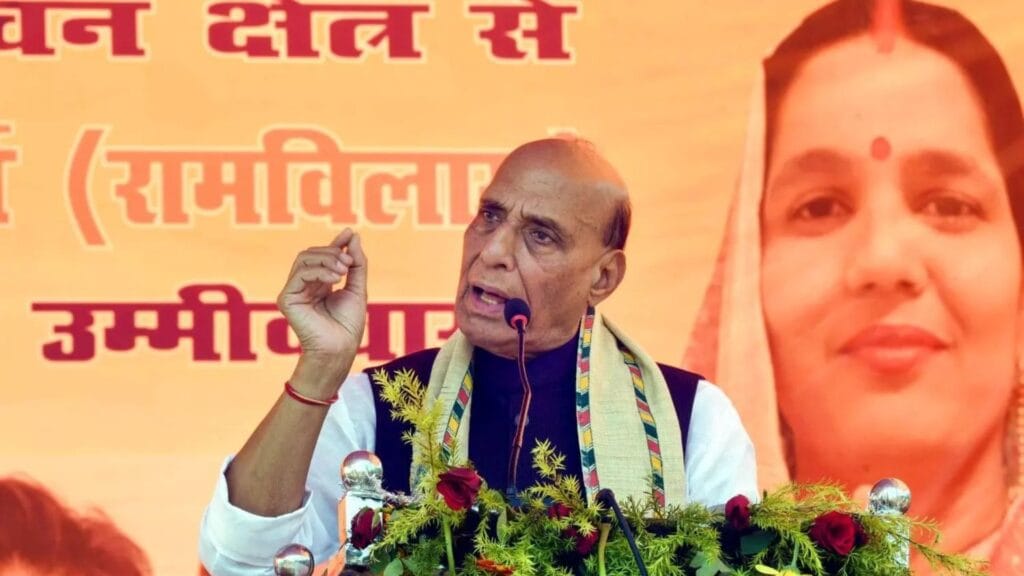
Poll Position: ‘Clear Wave in Favour of NDA,’ Claims Rajnath Singh, Predicting Two-Thirds Majority in Bihar 2025 Elections

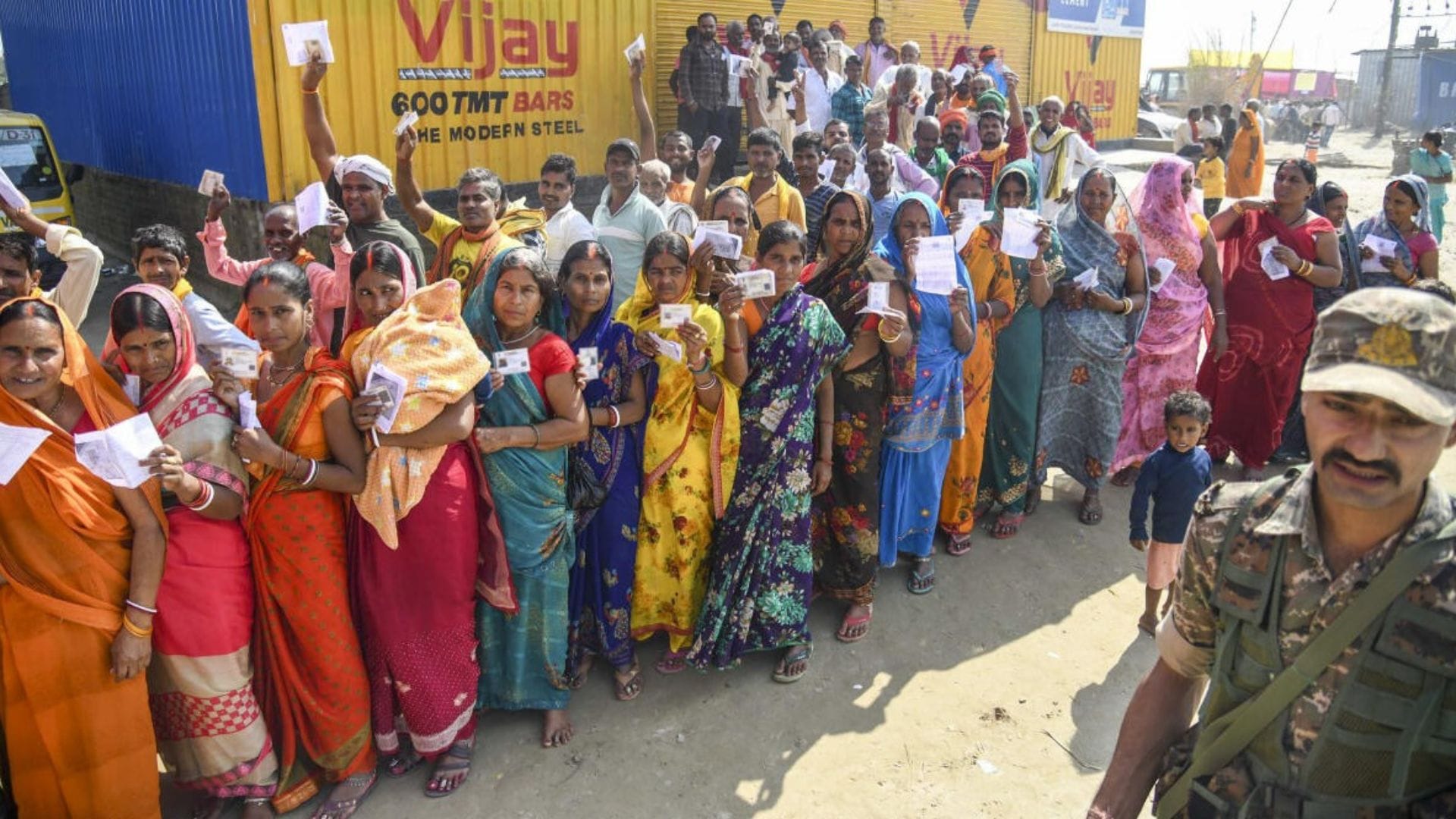
Patna, Bihar – With the crucial first phase of voting for the Bihar Assembly Elections 2025 just hours away, the political temperature has soared. In a major claim designed to galvanize the ruling coalition, Union Defence Minister and senior BJP leader Rajnath Singh asserted that the National Democratic Alliance (NDA) is set to sweep the polls, predicting a formidable victory with a two-thirds majority. Addressing a public rally, Singh expressed supreme confidence in the electoral mood of the state, attributing the projected win to the development work steered by Chief Minister Nitish Kumar and the central leadership of Prime Minister Narendra Modi. A ‘Clear Wave’ and a Promise of Stability “There is a clear wave in favour of the NDA ahead of the first phase of voting. We will form the next government with a two-thirds majority,” Singh declared, speaking in Banka. The Defence Minister’s strong assertion is part of the final push by the NDA, which includes the Bharatiya Janata Party, Janata Dal (United), Lok Janshakti Party (Ram Vilas), Hindustani Awam Morcha (Secular), and Rashtriya Lok Morcha. Singh highlighted two main pillars of the NDA’s campaign: development and clean governance. Praising Nitish Kumar: He pointed out, “There is not a single corruption case against Bihar CM Nitish Kumar,” crediting him with accelerating development over the last two decades. Targeting the Opposition: Singh launched a sharp attack on the opposition Mahagathbandhan, particularly the Rashtriya Janata Dal (RJD), alleging that the previous governments created a “crisis of trust” due to a constant “discrepancy between their words and actions.”7 He accused RJD leaders of having threatened people during their rule and failing to work for the state’s progress, a clear reference to the opposition’s campaign focusing on issues like “jungle raj.” Development Agenda and National Pride Singh tied the Bihar polls to the national context, emphasizing that the NDA would work for a ‘Viksit’ (Developed) Bihar. He stressed that the alliance does not discriminate based on caste, creed, or religion. Furthermore, he praised the central NDA government’s performance, stating that India has rapidly progressed to the world’s fourth-largest economy under PM Modi and is poised to climb to the third spot soon. The Two-Phase Battle The Bihar Assembly elections for the 243-seat legislative body are being held in two phases: Phase 1: Voting for 121 constituencies will take place on November 6. Phase 2: Voting for the remaining 122 constituencies will be conducted on November 11. Result Day: The counting of votes is scheduled for November 14. The main political contest is between the ruling NDA and the Mahagathbandhan, led by the RJD and also comprising the Congress, and several Left parties, including CPI (M-L), CPI, and CPM. While Rajnath Singh and other senior NDA leaders are projecting an overwhelming victory, the Mahagathbandhan’s leaders have countered with their own optimistic predictions, dismissing the two-thirds majority claim as “arrogance of power.” The actual results on November 14 will determine whether the alleged “NDA wave” has translated into a historic mandate.

India

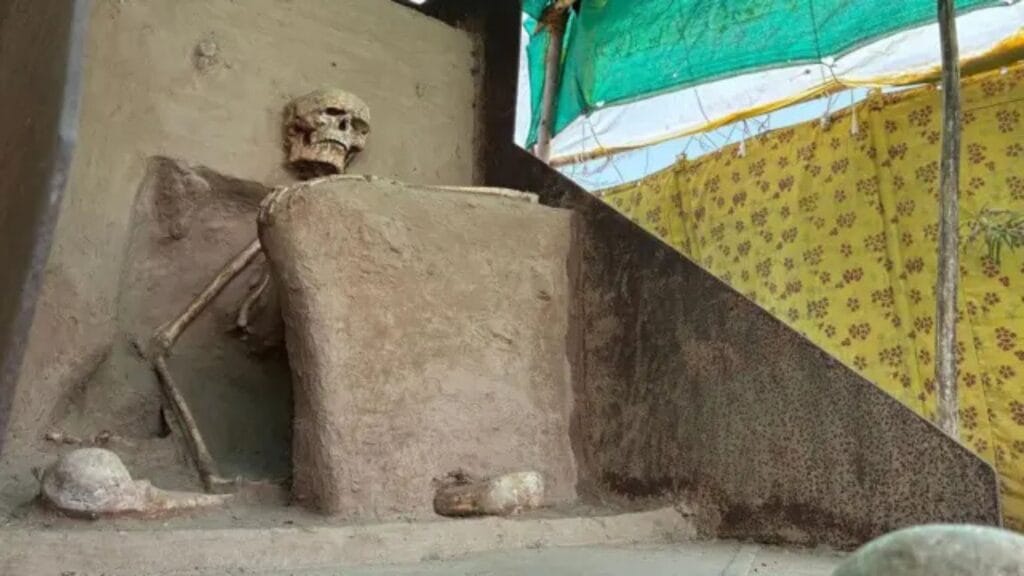
Chilling Discovery: ‘Missing’ Gujarat Man’s Skeleton Found Under Kitchen; Wife, Lover Detained in 18-Month-Old Case

Ahmedabad, Gujarat – In a shocking case reminiscent of a dark cinematic thriller, police in Ahmedabad have unearthed the skeletal remains of a man who had been missing for over a year, finding the body buried meticulously beneath the kitchen floor of his own home. The startling discovery has blown the lid off an 18-month-old disappearance case, leading to the detention of the deceased man’s wife and her alleged lover. The sensational murder plot, which some local media are already comparing to the plot of the popular Drishyam film franchise, has gripped the city, revealing a calculated attempt to conceal a homicide. The Grimmer Truth Under the Floorboards The victim, whose identity has been confirmed through investigation, was reported missing by his own family approximately a year and a half ago. For months, the case remained shrouded in mystery, with initial inquiries yielding few concrete leads. The breakthrough came recently when the Ahmedabad Crime Branch developed specific intelligence suggesting the man had not simply disappeared but had been murdered and his body hidden inside the very house he shared with his wife. Acting on the tip-off, a police team arrived at the residence and, after a focused search, began digging beneath the kitchen floor. The excavation revealed human skeletal remains, which were immediately sent for forensic analysis to confirm the identity and cause of death. The Conspiracy: Murder and Cover-Up The police investigation, which intensified following the macabre discovery, quickly zeroed in on the victim’s wife and a male acquaintance, her alleged lover. Interrogation of the suspects reportedly led to a confession that detailed the chilling sequence of events. Sources suggest the murder was a result of an illicit relationship between the man’s wife and her paramour. The duo allegedly conspired to eliminate the husband to be together, executing the murder and then going to extreme lengths to conceal the body within the house itself, meticulously cementing the kitchen floor over the grave to destroy all evidence. The audacity of living over the burial site of a murder victim for over a year highlights the sinister nature of the planning. The detention of the wife and her lover marks a significant breakthrough in the case, finally providing closure to the disappearance that had baffled investigators and tormented the victim’s family. Investigation Underway Police have officially detained the two main accused on charges of murder and criminal conspiracy. They are now working to determine the exact date and method of the murder, as well as whether any other individuals assisted the couple in planning the crime or disposing of the body. The case serves as a grim reminder of how deeply secrets can be buried and how tenacious police work and forensic science remain crucial in unravelling even the most meticulously planned crimes. The accused are expected to be formally arrested and produced before a magistrate soon as the police gather all necessary evidence to build a strong case.

Important News, India

Rahul Gandhi Drops New ‘Hydrogen Bomb’: Brazilian Model’s Photo Used for 22 Voters in Haryana, Congress Alleges “Systematic Theft”

New Delhi: Leader of the Opposition Rahul Gandhi on Wednesday escalated his campaign against alleged electoral malpractice, launching what he termed “The H-Files” and dropping a political bombshell that he had earlier dubbed a “hydrogen bomb.”1 At the heart of his stunning allegations of systematic voter fraud in the recent Haryana Assembly elections was the revelation that a single stock photograph—allegedly of a Brazilian model—was used to register 22 different voters across 10 different polling booths in the state. Gandhi’s press conference presented granular data, claiming that the manipulation was a centralized operation designed to “convert a Congress landslide victory into a loss” in Haryana, where the party ultimately lost by a narrow margin.   The ‘Brazilian Model’ and The 25 Lakh Fake Voters Addressing the media, Rahul Gandhi displayed an entry from the Haryana electoral roll showing the photo of a young woman.4 “Who is this lady? What is her name? Where does she come from?” Gandhi questioned, before alleging, “She votes 22 times in Haryana, at 10 different booths, and has multiple names: Seema, Sweety, Saraswati, Rashmi, Vilma…5 But turns out she is actually a Brazilian model. The model’s image, he claimed, was a stock photograph linked to a Brazilian photographer, Matheus Ferrero, and widely available on platforms like Unsplash since 2017.7 Gandhi used this as stark evidence of a deliberate, centralized scheme to manipulate the electoral rolls. The Congress’s larger claims, based on their analysis of the electoral data, include: Total Alleged Fraudulent Voters: Over 25 lakh (2.5 million) manipulated entries in Haryana’s electoral roll of approximately two crore voters. Ratio of Fraud: Gandhi claimed that one in every eight voters (12.5%) in Haryana were fake. Categories of Fraud: The 25 lakh figure allegedly includes over 5 lakh duplicate voters, 93,000 voters with invalid addresses, and nearly 19.3 lakh voters registered in bulk at single addresses. “Operation Sarkar Chori” Gandhi dubbed the alleged manipulation “Operation Sarkar Chori” (Theft of Government), arguing that the narrow margin of the Congress defeat in the state was directly attributable to this calculated inflation of the voter list.12 He also pointed to alleged irregularities in postal ballots, claiming that the numbers differed significantly from the actual votes cast—a phenomenon he called a historical first for Haryana. Gandhi appealed directly to India’s youth, saying, “This is about your future. I am questioning the Election Commission and the democratic process in India with 100% proof.” He further alleged that the Election Commission possesses software capable of deleting duplicate entries and cleaning up the rolls but has deliberately chosen not to use it to aid the ruling party. The Political Fallout The allegations come at a crucial time, just a day before the first phase of the Bihar polls, suggesting a national strategy by the Congress party to question the integrity of the electoral process based on technological and systematic lapses in the voter database. While Congress provided a QR code that confirmed the photo was a widely used stock image, the identity of the model herself remains unverified. The BJP and the Election Commission are yet to issue a detailed official response to this latest ‘H-Files’ presentation. However, BJP leaders have previously rubbished similar accusations by Gandhi, suggesting the opposition leader’s claims lack factual merit and pointing out that the Congress had not filed any formal complaints against the electoral rolls in question.17 The gravity of the “hydrogen bomb” now rests on whether the Election Commission will order a full-scale forensic audit of the Haryana voter database.  

Scroll to Top