




News Unwrapped

Thursday, January 15, 2026 11:09 AM
Hot News

India

bihar exit poll 2025
Bihar Elections

The Verdict Before the Count: Exit Polls Predict a Decisive Victory for NDA in Bihar

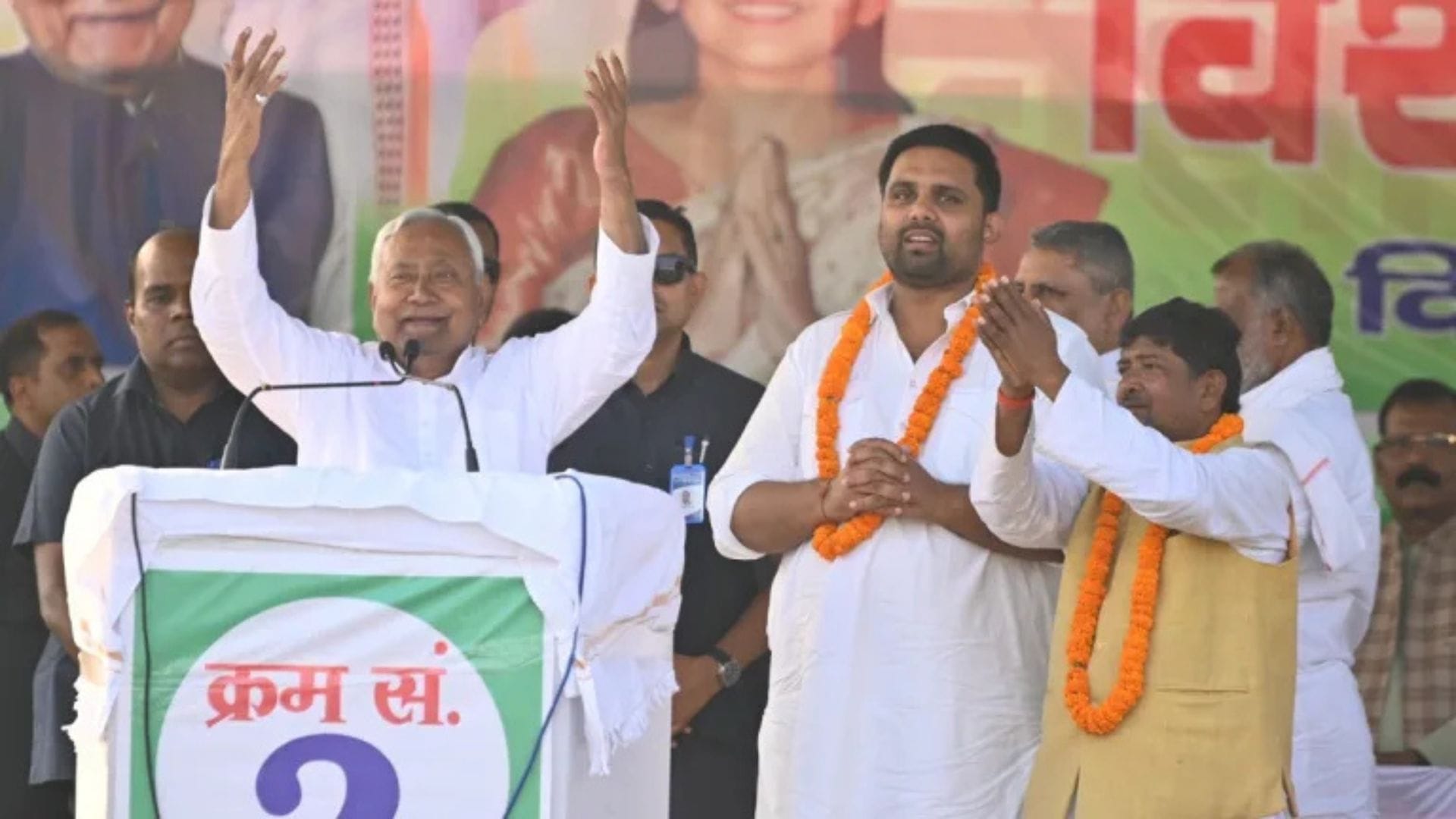
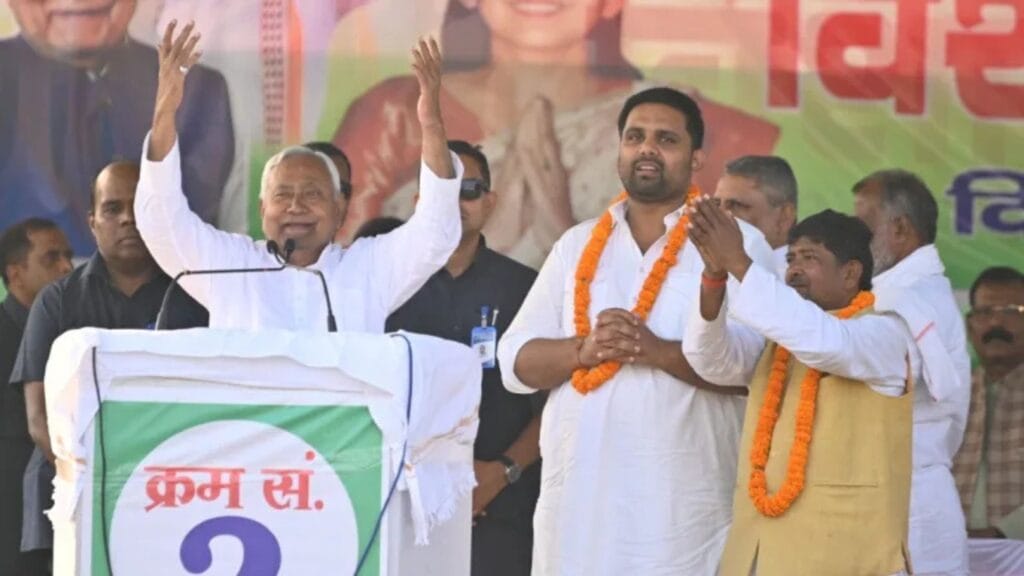
PATNA, November 11, 2025 – As the curtain officially falls on the 2025 Bihar Assembly Elections, the first big verdict is in, and it’s a shockwave across the political landscape. A near-unanimous wave of exit polls released tonight predicts that the National Democratic Alliance (NDA) is headed for a strong, comfortable majority, securing another term for Chief Minister Nitish Kumar. If these projections hold true, the massive public engagement seen throughout the two phases—including a record-high voter turnout—has translated not into a vote for ‘Parivartan’ (change), but a strong endorsement of stability and governance.   The Numbers Speak: A Poll of Polls Summary The collective predictions from major pollsters like Matrize, P-Marq, People’s Pulse, and Dainik Bhaskar place the NDA well above the 122-seat majority mark in the 243-member Assembly.1   Pollster NDA Seat Projection Mahagathbandhan (MGB) Projection Jan Suraaj Projection Matrize 147 – 167 70 – 90 0 – 2 P-Marq 142 – 162 80 – 98 1 – 4 Dainik Bhaskar 145 – 160 73 – 91 0 – 3 Chanakya Strategies 130 – 138 100 – 108 0 POLL OF POLLS (Aggregate Estimate) ~147 Seats ~90 Seats ~1 Seat Disclaimer: These are exit poll projections, which have historically been tricky in Bihar. The actual results will be counted and declared on November 14.   What Went Right for the NDA? The exit polls suggest that the NDA successfully neutralized the opposition’s primary narratives. Key factors that appear to have swung the vote include: The Women’s Factor: Poll data strongly indicates that the state’s significant women voter base—a demographic frequently credited with supporting Nitish Kumar’s social schemes (like prohibition and conditional cash transfers)—consolidated firmly behind the NDA.2 Some polls suggested women voted for the NDA by a margin of over 2:1 compared to the MGB. The Stability Pitch: In a high-turnout election, voters seem to have favoured the promise of continuity and development over the risk associated with a generational leadership change. The Modi-Nitish Combination: The organisational machinery of the BJP, combined with the ground-level influence of the JD(U), proved to be an overwhelming electoral force, leveraging the popularity of the Prime Minister and the familiarity of the Chief Minister. The Tejashwi Test: Momentum Without Seats? For the Mahagathbandhan, led by Tejashwi Yadav, the projections are a significant disappointment. Despite a spirited, high-energy campaign focused on unemployment, anti-incumbency, and development, the numbers suggest their momentum failed to translate into a winning number of seats. Interestingly, one poll suggested that Tejashwi Yadav still leads Nitish Kumar as the preferred Chief Minister candidate among voters, hinting at a strong personal image that simply wasn’t enough to overcome the structural strength of the NDA alliance. Prashant Kishor’s Muted Debut The predictions are particularly grim for Prashant Kishor’s Jan Suraaj Party. After a year of intense groundwork and a statewide Padyatra, the political debut has been largely muted, with all major polls predicting his party will win only a handful of seats, if any.3 The Bihar electorate appears to have stuck firmly to the traditional binary choices. The next 48 hours will be a tense waiting game for all parties. While the exit polls paint a picture of an NDA celebration, Bihar’s history—most exit polls in 2020 incorrectly gave the edge to the MGB—means no political leader will truly rest easy until the last vote is counted on Thursday. ❓ Frequently Asked Questions (FAQ)   Q1: When will the actual Bihar election results be announced? The official counting of votes for all 243 Assembly constituencies will take place on Thursday, November 14, 2025. Results are typically announced throughout the day, with the final picture clear by the evening. Q2: How accurate have Bihar exit polls been in the past? Bihar has a notorious history of challenging exit poll accuracy: 2020 Assembly Election: Most exit polls incorrectly predicted a victory for the RJD-led Mahagathbandhan. The actual result was a narrow but clear win for the NDA (125 seats). 2015 Assembly Election: Most exit polls predicted a very close fight or an NDA victory. The actual result was a landslide victory for the then-Mahagathbandhan (RJD-JD(U)-Congress) with 178 seats—a major miss. Due to the complex interplay of caste, community, and last-minute swings, poll predictions in Bihar must always be viewed with caution. Q3: What is the magic number for forming the government in Bihar? The Bihar Legislative Assembly has a total of 243 seats. A party or coalition needs to secure a simple majority of 122 seats to form the government. Q4: What are the main alliances fighting this election? The election is primarily a direct fight between two alliances: NDA (National Democratic Alliance): Led by the JD(U) (Nitish Kumar) and BJP, along with LJP (Ram Vilas). Mahagathbandhan (INDIA bloc): Led by the RJD (Tejashwi Yadav), along with Congress and Left parties. Outgoing Links (Conceptual and Informative) Read the Full Matrize & People’s Pulse Exit Poll Data (The Indian Express) Analysis of Past Bihar Exit Poll Accuracy (Times of India) ECI Official Website: Bihar Election Results Counting on November 14
Bihar Elections

Bihar Election – Voting Surge in the Final Lap: Bihar Records 60.40% Turnout in Phase 2

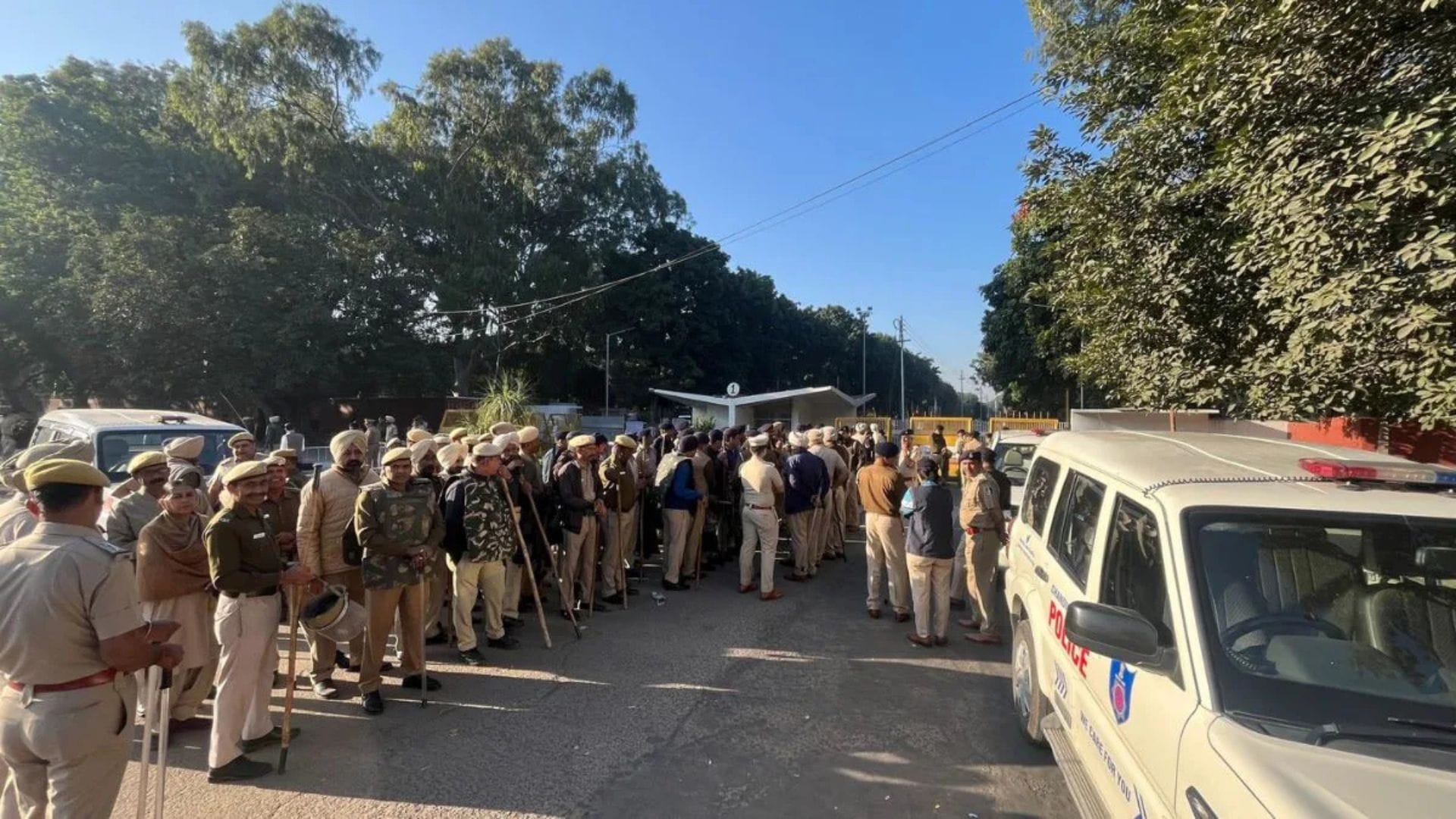
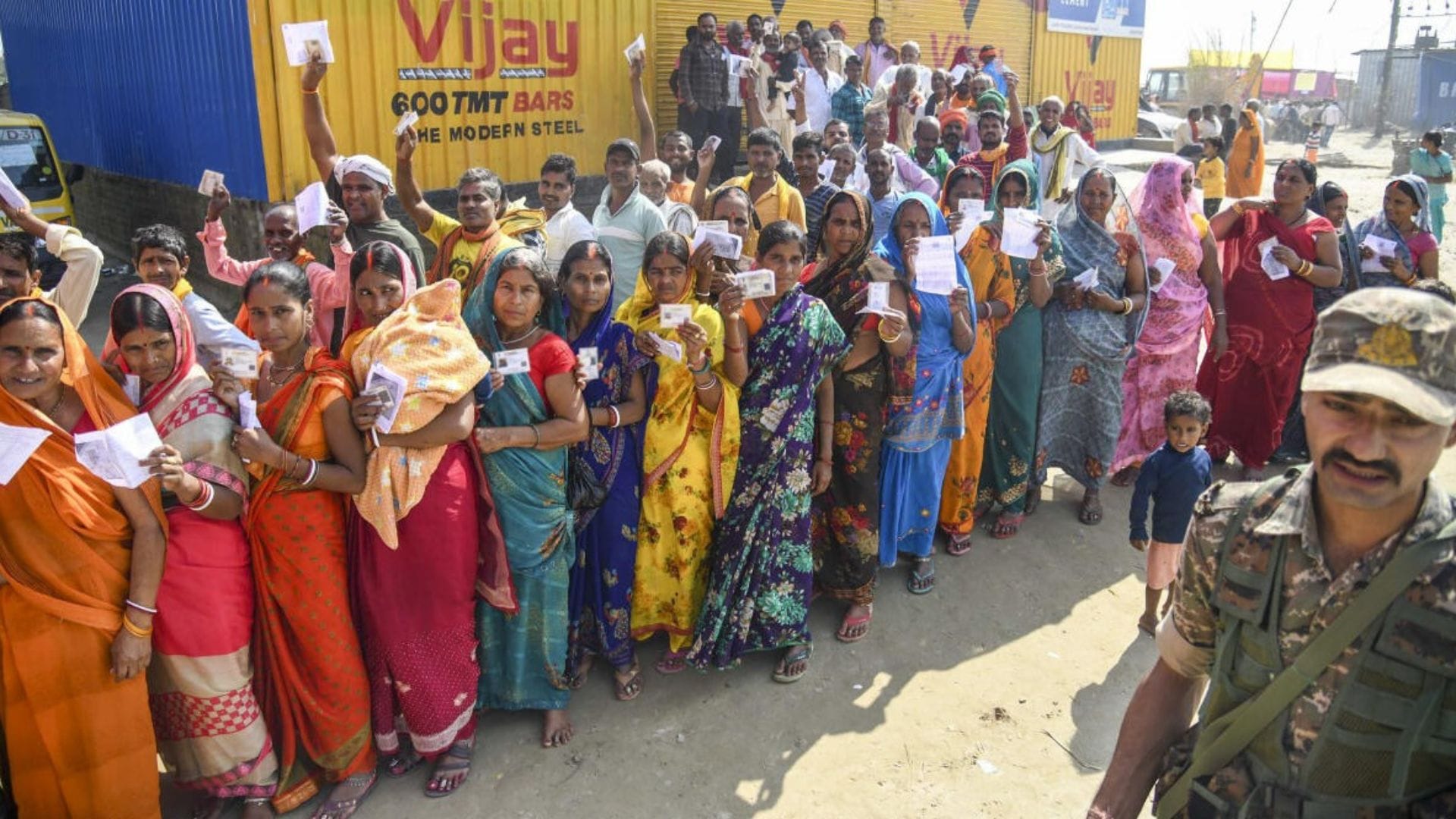
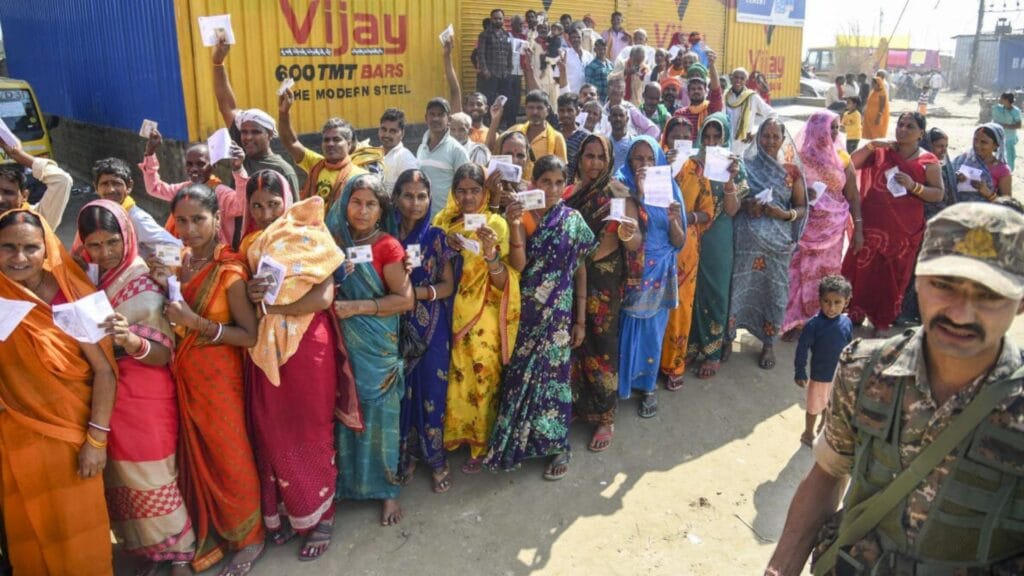
  PATNA, November 11, 2025 – Bihar’s electoral destiny is rapidly being sealed today as the state registers an impressive turnout in the second and final phase of the Assembly Elections.1 By 3:00 PM, the Election Commission of India (ECI) reported a substantial 60.40% voter turnout across the 122 constituencies in fray, indicating a strong surge in participation that could potentially surpass the record set in the first phase.2 This final stage of polling covers critical regions including the Kosi belt, Mithila, Magadh, and the politically vital Seemanchal area, where voter enthusiasm is defining the last chapter of this high-stakes contest.3 Phase 2: High Turnout Amidst Tight Security The second phase of voting, which began at 7:00 AM, saw brisk polling activity throughout the day, suggesting that the final turnout figure will be significant.4 Comparison to Phase 1: The 60.40% recorded by 3 PM in this phase is considerably higher than the 42.31% recorded by the same time in Phase 1 (held on November 6). However, Phase 1 ultimately closed with a historic 64.66% turnout.5 Analysts suggest Phase 2 is positioned to match or even exceed that figure. Seemanchal Region Leads: Districts in the Seemanchal region, with its high concentration of minority voters and intense multi-cornered contests, are driving the surge. Early trends indicated Kishanganj leading the pack, followed closely by Purnia and Katihar. Security on High Alert: Polling is being conducted under a heavy security umbrella.6 In the wake of Monday’s car blast near the Red Fort in Delhi, the Bihar Police placed its forces on high alert. The state’s international border with Nepal was sealed for 72 hours as a preemptive measure to ensure a peaceful election process.7  Key Candidates and Regions in Focus This final phase will decide the fate of 1,302 candidates and test the political strength of both the ruling NDA and the opposition INDIA bloc.8   Region Significance Key Candidates in the Fray Seemanchal Crucial region with high Muslim voter concentration; key battleground for the INDIA bloc. Bijendra Prasad Yadav (JD-U), Tarkishore Prasad (BJP), Mehboob Alam (CPI-ML). Magadh Belt Includes key urban and semi-urban seats like Gaya Town (Prem Kumar, BJP). Prem Kumar (BJP), Jitan Ram Manjhi (HAM), Snehlata Kushwaha (RLM). Mithila Region Home to several incumbent ministers. Leshi Singh (JD-U), Sheela Mandal (JD-U), Renu Devi (BJP).   The Political Stakes Both major alliances are claiming the high turnout is a vote in their favour: NDA’s Hope: The ruling alliance, led by JD(U)’s Nitish Kumar, is relying on the high turnout of women voters, a demographic often credited with supporting the CM’s welfare schemes.9 INDIA Bloc’s Claim: RJD leader Tejashwi Yadav, the INDIA bloc’s chief ministerial candidate, claims the “record voting” reflects a “big wave of change” and a public desire for “results” over “hollow rhetoric” and job creation. With polling set to continue until 5:00 PM (and for those already in queues), the political fate of Bihar for the next five years is being decided.10 The counting of votes for both phases is scheduled for November 14th.

India

The Silence and the Smoke: Red Fort Blast Was Not an Accident—It Was Terror

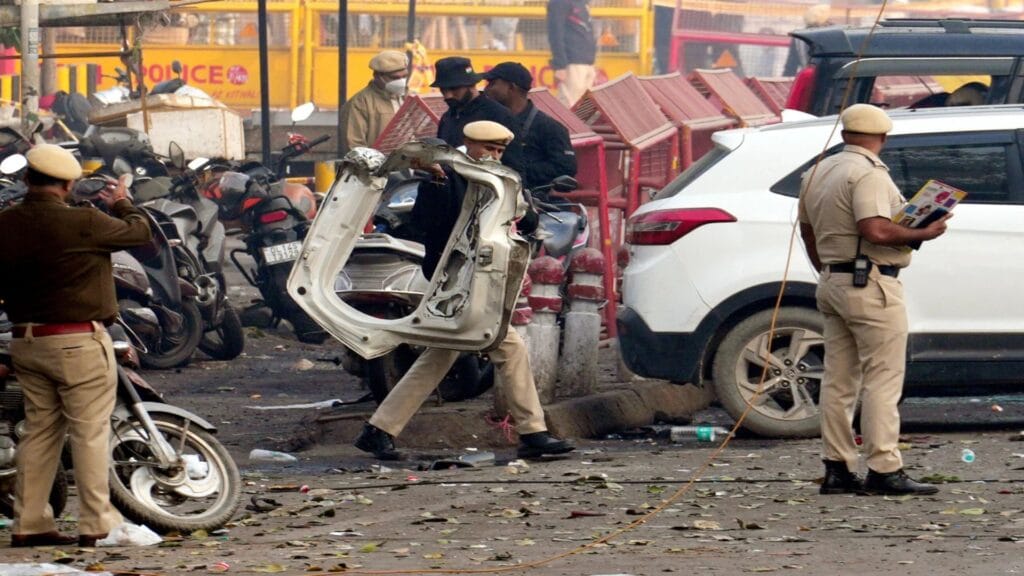
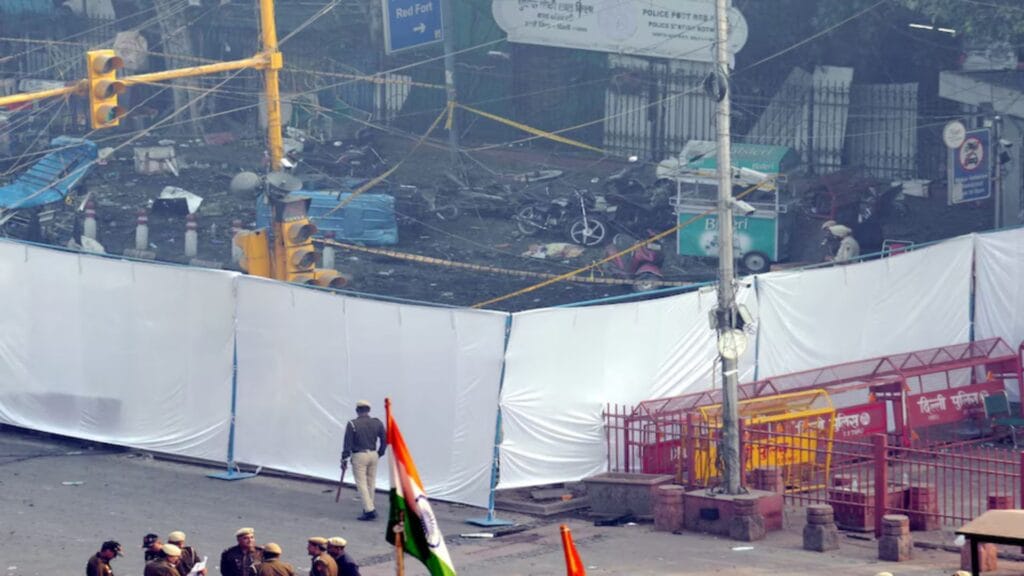
New Delhi, November 11, 2025 The official confirmation has yet to land, but on the streets of Old Delhi, the verdict is already chillingly clear: The explosion that ripped through a car near the Red Fort Metro Station was not an accident—it was terror. The sheer violence of the blast, which has now claimed the lives of 13 innocent people, shattered the capital’s fragile sense of security. As forensic teams sift through the carnage, the truth is being pieced together from a frightening trail of evidence that runs straight through a high-profile terror module recently busted in Haryana. The Union Government has wasted no time, officially handing the probe to the National Investigation Agency (NIA) and registering charges under the anti-terror law, the UAPA. This swift move confirms what citizens already feared: the ghosts of terror have returned to the capital. The Network Exposed: From Pulwama to the NCR This isn’t the work of a lone wolf. This attack is the desperate, panicked act of a network that security forces had already cornered. Just hours before the blast, a joint operation scored a massive victory against a Jaish-e-Mohammed (JeM) module operating out of safe houses in Faridabad. What they found was staggering: nearly 2,900 kg of bomb-making material, including massive quantities of suspected Ammonium Nitrate. This white-collar terror cell, chillingly, included educated professionals like doctors. The trail of the exploded Hyundai i20 led investigators directly back to this nexus, to a man identified as Dr. Umar Mohammad, a medical professional from Pulwama, J&K. The Suicide Theory: A Desperate Final Act The current working theory among intelligence officials is devastating: The Red Fort blast was a panic-triggered suicide mission. The arrested JeM module members were reportedly preparing for a series of planned attacks across the NCR. Dr. Umar, upon learning his associates were apprehended and the explosives cache had been seized, may have made the desperate choice to detonate the device he was carrying. It was not a successful “masterpiece” attack; it was a rushed, brutal final spasm of a terror plot that was already collapsing. For the 13 victims who were simply commuting or running errands near the historic Red Fort, their lives were sacrificed for a terrorist’s final, panicked defiance.   Now, We Wait for the Forensics The NIA’s immediate priority is to conclusively match the human remains found at the blast site with Dr. Umar’s DNA to confirm the suicide bomber’s identity. They are also desperately seeking traces of conventional explosives like RDX. The initial intensity of the explosion made forensic confirmation difficult, but the circumstantial evidence—the UAPA charges, the JeM link, and the connection to the Faridabad haul—is overwhelming. The city, still holding its breath under a massive security cover, waits for the final word. But for the families grieving the loss of their loved ones, the chaos, the smoke, and the subsequent official action have already spoken volumes: The Red Fort blast was a deliberate, violent act of terror, and the fight against this hidden network is far from over.

India

Red Fort Blast Aftermath: Death Toll Climbs to 13 as NIA Takes Over Probe; 7 Victims Identified

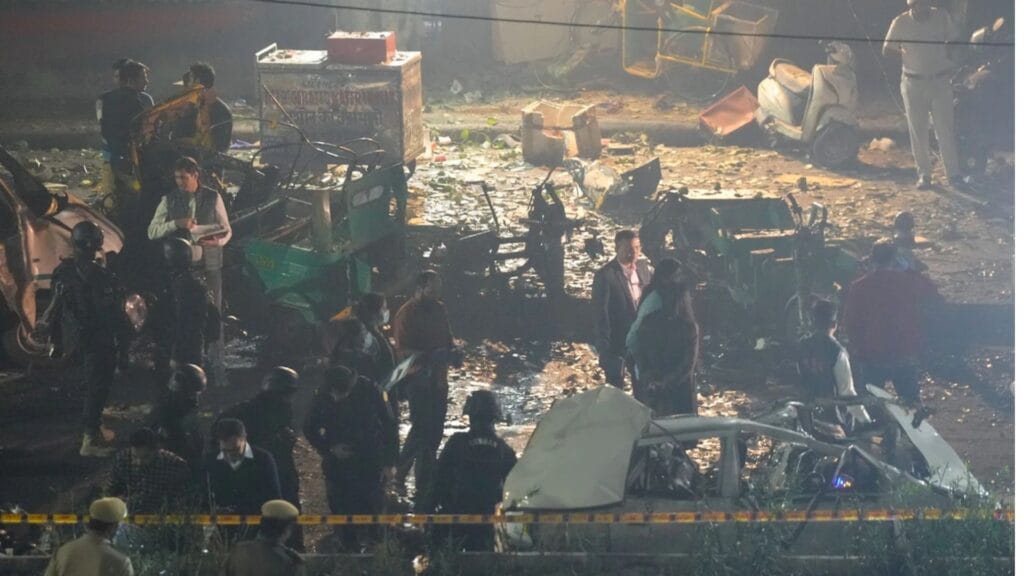
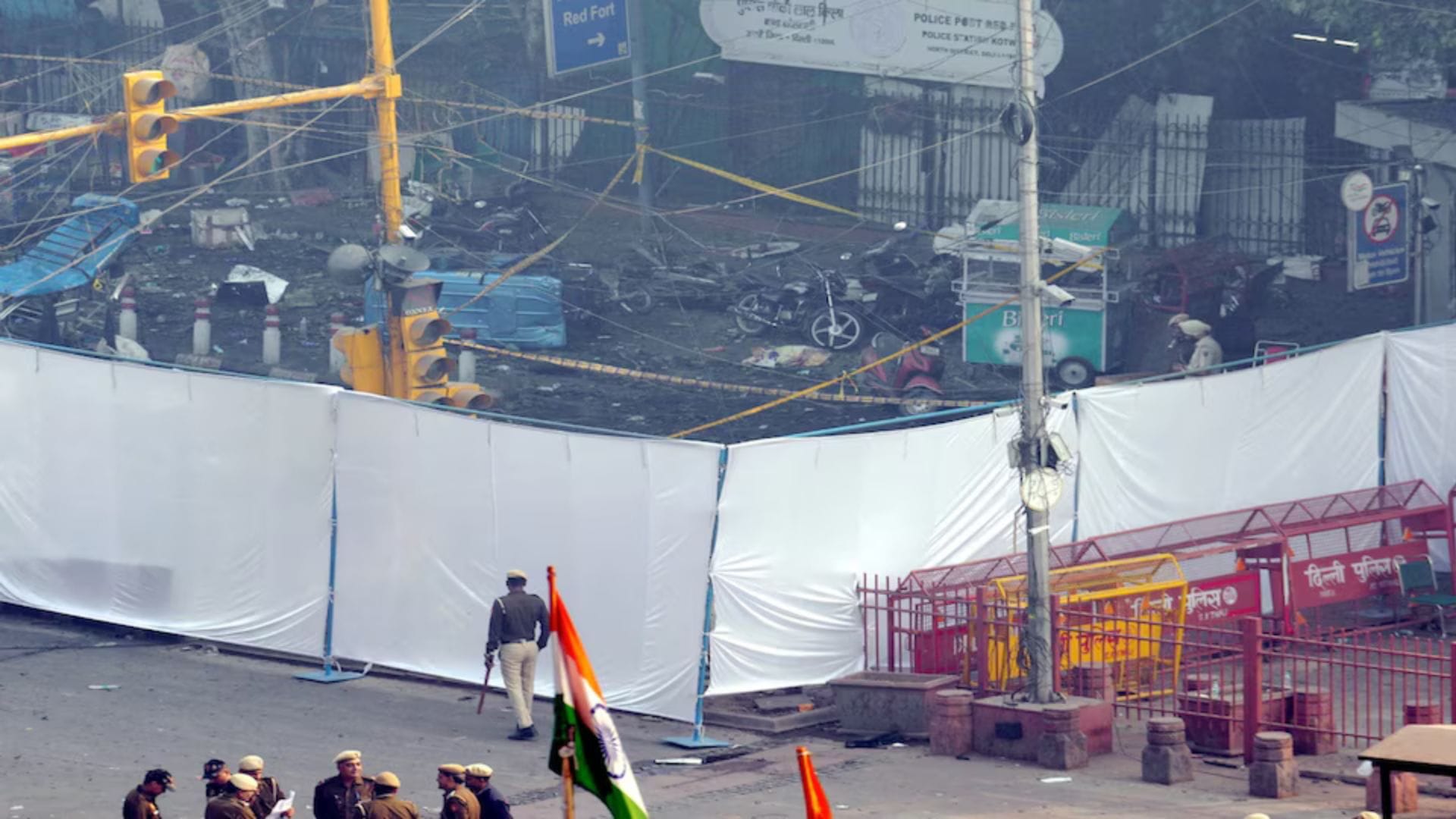
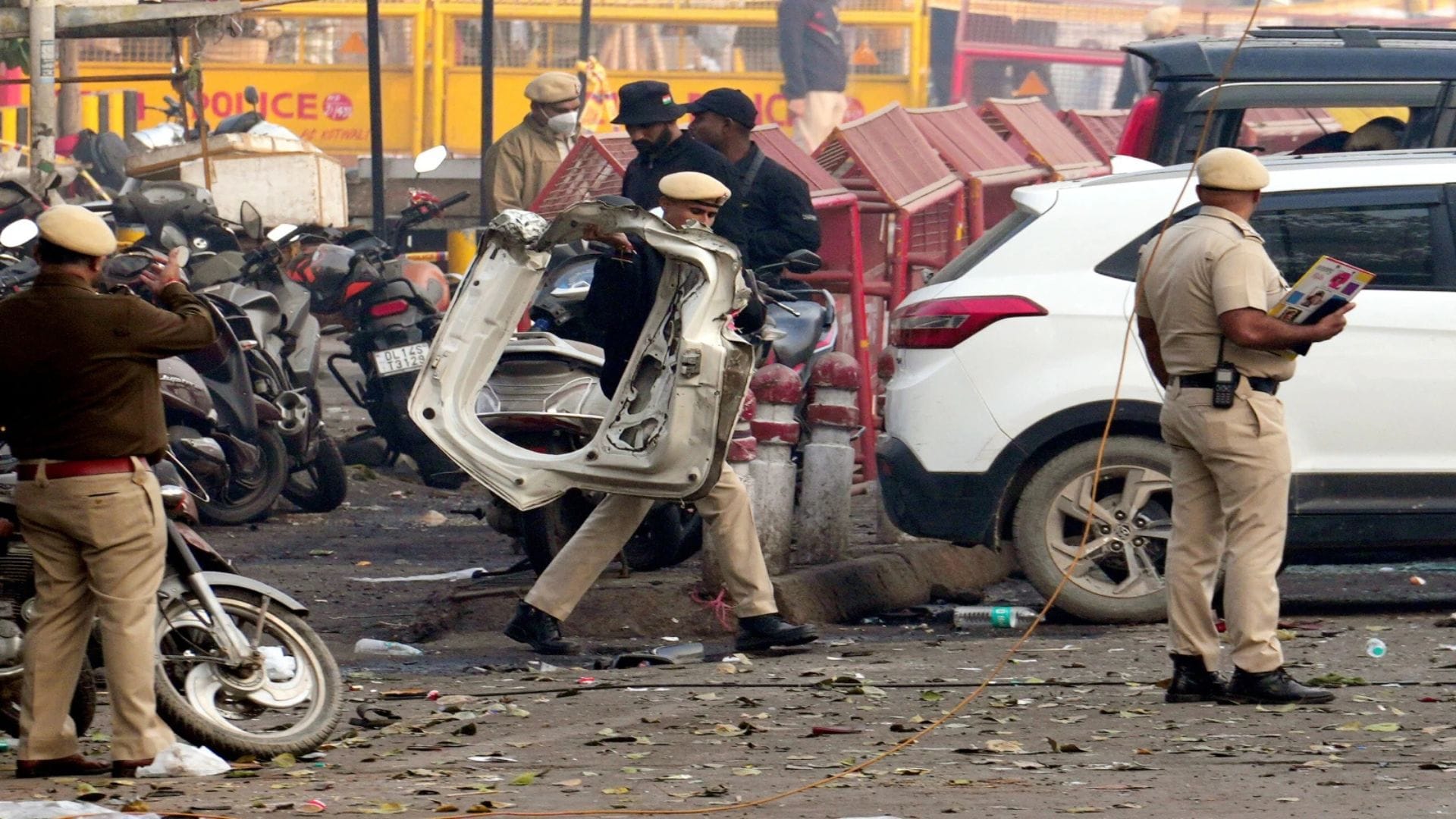
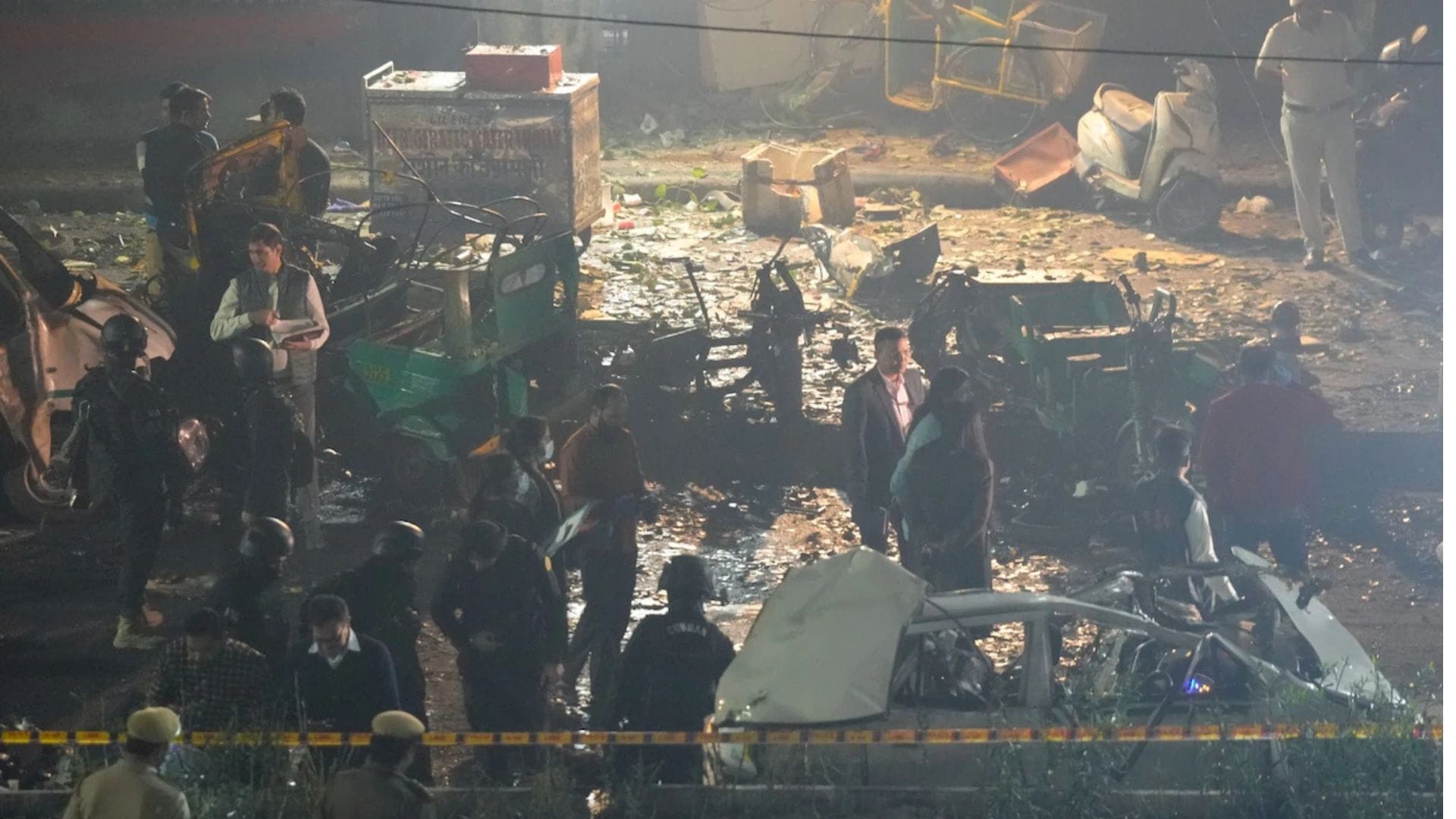
NEW DELHI, November 11, 2025 – The national capital remains under an unprecedented security blanket as the fallout from the high-intensity car explosion near the Red Fort Metro Station continues to escalate. The death toll from the Monday evening blast has tragically climbed to 13, with at least seven victims now formally identified amidst a massive recovery and investigation effort. In a significant move, the Union Government has directed the National Investigation Agency (NIA) to take over the case, confirming the high priority and suspected terror angle of the attack.   The Rising Toll and Identified Victims The explosion, which occurred at approximately 6:52 PM in a slow-moving Hyundai i20 at the Subhash Marg traffic signal, left a scene of devastation, scattering body parts up to 100 meters away. Key Updates on Casualties: Death Toll: LNJP Hospital officials confirmed the death toll has risen to 13 individuals, with many of the injured still in critical condition. Identifications: While several bodies were dismembered or charred, authorities have successfully identified seven of the deceased and are working to match other human remains. Among those identified so far are 34-year-old Ashok Kumar (from Amroha, UP) and 35-year-old Amar Kataria (a Delhi resident). The extensive list of casualties includes residents from Delhi, Uttar Pradesh, Himachal Pradesh, and Uttarakhand. Victim Demographics: The tragedy claimed the lives of both the car’s occupants and innocent pedestrians/commuters caught in the blast radius.   NIA Takes Over: Fidayeen Attack Suspected The probe has moved swiftly beyond local police to the national anti-terror agency, with the NIA registering a formal case under the Unlawful Activities (Prevention) Act (UAPA) and the Explosives Act. Focus of the Probe: Terror Links: Investigators are probing a strong link between the blast and a major “white-collar” terror module busted in Faridabad, Haryana, just hours before the explosion. Over 350 kg of explosive material (suspected Ammonium Nitrate) and arms were seized in the earlier operation. Suicide Attack Angle: Initial Delhi Police sources suggest the explosion was a ‘Fidayeen’ (suicide) attack. The primary suspect is believed to be Dr. Umar, a resident of Pulwama, J&K, who was allegedly inside the vehicle and may have detonated the device after learning his associates in the terror module had been arrested. Authorities are using DNA analysis to confirm the identity of the car’s occupants. PM’s Response: Prime Minister Narendra Modi addressed the nation, vowing that the conspirators behind the attack “will not be spared” and that a swift, thorough investigation would ensure justice. The Red Fort area has been entirely cordoned off, with the site shut down for forensic analysis by teams from the NIA and NSG. Security has been ramped up nationwide, signaling that the authorities are treating this as a massive, coordinated security threat following one of the deadliest attacks in the capital in years.

India

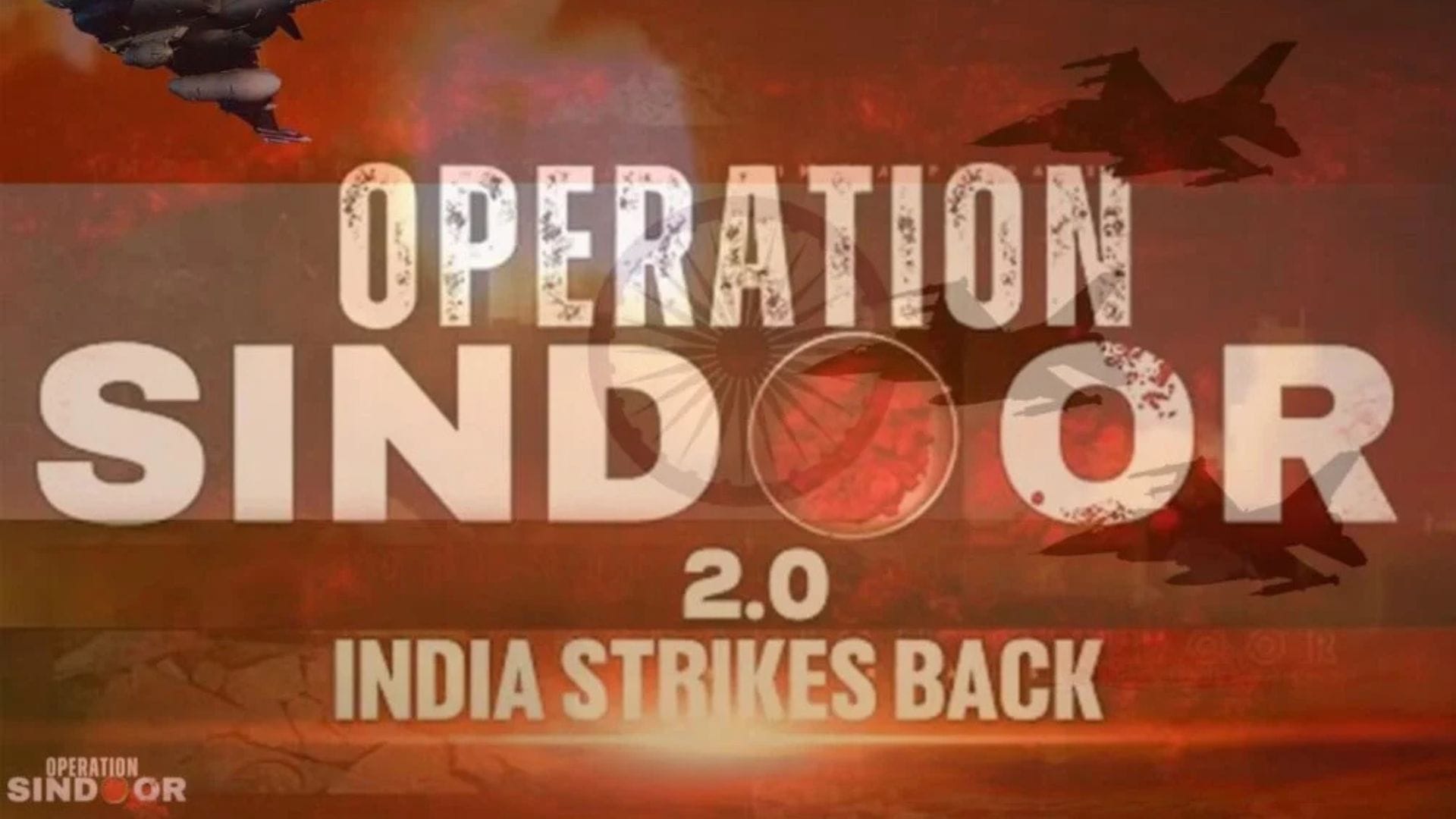
Operation Sindhoor 2.0: The Inevitable Response After the Red Fort Blast?

NEW DELHI—In the shadow of the devastating car blast that rocked the national capital near the historic Red Fort Metro Station, a powerful and increasingly popular sentiment is gripping the nation’s discourse: the demand for “Operation Sindhoor 2.0.” The blast, which occurred late Monday evening and is now being investigated as a possible fidayeen (suicide) attack with links to a terror module, has abruptly shattered the capital’s sense of security. With initial probes pointing toward the Jaish-e-Mohammed (JeM) and a sophisticated, ‘white-collar’ network spanning Kashmir, Haryana, and Uttar Pradesh, the calls for a calibrated, yet decisive, response from the government are escalating.   What Was Operation Sindhoor? To understand the clamour for a “2.0,” one must recall the original Operation Sindhoor launched earlier this year (May 2025). Following a major terrorist attack in Pahalgam, the operation marked a significant shift in India’s counter-terrorism strategy. It was a pre-emptive, punitive, and strategically coordinated military campaign, demonstrating a “zero-tolerance” policy. Key elements of Operation Sindhoor included: Precision Strikes: High-impact air and missile operations targeting terror infrastructure and launchpads deep across the Line of Control and inside Pakistan’s territory. Tri-Service Synergy: A seamless display of coordination among the Army, Air Force, and Navy, asserting dominance across land, air, and sea. Non-Kinetic Measures: Utilizing diplomatic, information, and economic pressure, including the strong diplomatic posturing and strategic messaging that “blood and water cannot flow together.” In essence, Operation Sindhoor was a strategic statement: cross-border terrorism would no longer be met solely with border defense, but with targeted destruction of its source infrastructure.   The Red Fort Blast: A Direct Challenge The horrific Red Fort blast, which resulted in significant casualties and exposed a terror network stocked with nearly 2,900 kg of bomb-making material in the Delhi-NCR region (Faridabad), is being widely interpreted as an act of retaliation and a direct challenge to the post-Sindhoor security posture. The investigation has revealed crucial links: The Faridabad-Kashmir Nexus: The car used in the blast was traced to a Kashmir-based doctor, Umar Mohammad, who is an associate of other medical professionals recently arrested for their involvement in a multi-state JeM module. Panic-Driven Attack: Sources suggest the blast was a hurried, panic-driven response by the alleged bomber after his associates were arrested and the massive explosive cache was seized, indicating the entire module was on the verge of being dismantled. VBIED Threat: The use of a Vehicle-Borne Improvised Explosive Device (VBIED) near a landmark like the Red Fort is a clear tactical escalation, reminiscent of JeM’s past attack methods. Is Sindhoor 2.0 Possible? The possibility of a second, larger military-strategic operation like Sindhoor hinges on two factors: the need for a deterrent response and the operational feasibility. The Case for “Sindhoor 2.0”: Government sources, speaking to the media, have already underscored a resolute stance: “Any act of terror would be considered an act of war against India. Operation Sindhoor is on.” This suggests that the zero-tolerance policy established by the first operation remains the active doctrine. A “Sindhoor 2.0” may not necessarily mean an immediate, carbon-copy of the 2025 air strikes, but a sustained, multi-pronged campaign focusing on: Targeted Elimination: Using intelligence and precision operations to dismantle terror command structures and launchpads abroad suspected of coordinating this specific attack. Information Warfare: Actively countering the narrative of retaliatory terror being pushed by Pakistan-based terror groups like Lashkar-e-Taiba (LeT) and Jaish-e-Mohammed. Enhanced Domestic Cleanup: Intensifying the crackdown on the “white-collar terror ecosystem” in the hinterland, neutralizing sleeper cells, radicalised professionals, and financial networks that aid these plots. The Internal Focus For now, the most visible response is a massive, coordinated internal security sweep. Agencies across nine states (including Delhi, J&K, Haryana, UP, and Gujarat) are working in synergy—a kind of domestic “Sindhoor” operation focused on intelligence and law enforcement. The arrests and the seizure of the huge explosive cache are a testament to the success of this intensified internal intelligence gathering. Conclusion: While the original Operation Sindhoor was a trans-border strategic military thrust, the post-Red Fort response, dubbed “Sindhoor 2.0” by the public, may unfold as a two-front strategy: a massive, coordinated security sweep within India to neutralize the exposed modules, backed by the implicit threat of punitive trans-border action. The Delhi blast was an attempt to provoke and retaliate. The government’s challenge now is to deliver a response that is both immediate and overwhelming, reinforcing the message that the price for cross-border terrorism will continue to be strategically crippling. The full extent of “Operation Sindhoor 2.0” remains to be seen, but the national mood demands that the response be nothing short of decisive.

India

Delhi Red Fort Explosion | Probe Explores ‘All Possibilities’ as Death Toll Rises to 10

NEW DELHI, November 11, 2025 – The death toll from the high-intensity explosion that rocked the vicinity of the Red Fort Metro Station on Monday evening has tragically risen to at least 10 people, with over 20 others injured. As Delhi remains on high alert, a multi-agency probe is underway, with the Union Home Minister confirming that police are “exploring all possibilities” into the nature and motive of the blast. The Attack: Slow-Moving Car Explodes The explosion occurred around 6:52 PM (IST) in a slow-moving Hyundai i20 car that had stopped at a traffic signal near Gate No. 1 of the Red Fort Metro Station. The powerful blast immediately destroyed the car and engulfed three to four nearby vehicles and auto-rickshaws in a massive fire. Latest Updates on Casualties and Investigation: Death Toll: The official death toll has reached 10, with several injured being treated at Lok Nayak Jai Prakash Narayan (LNJP) Hospital. FIR Registered: Delhi Police have registered a First Information Report (FIR) under serious charges, including sections of the Unlawful Activities (Prevention) Act (UAPA) and the Explosives Act, confirming the gravity of the ongoing probe. Official Stance: Home Minister Amit Shah stated that a thorough investigation is being conducted, taking all possibilities into account. Teams from the National Investigation Agency (NIA), National Security Guard (NSG), and Forensic Science Laboratory (FSL) are meticulously examining the blast site. Terror Link Under Scrutiny The timing and nature of the explosion have brought the investigation into close alignment with recent counter-terror operations. Key Investigation Angles: Faridabad Terror Module Connection: The blast took place hours after security agencies in Haryana busted a major “white-collar” terror module linked to the Pakistan-based terror outfits Jaish-e-Mohammed (JeM) and Ansar Ghazwat-ul-Hind (AGuH). Authorities recovered a large cache of explosives, including over 350 kg of suspected Ammonium Nitrate—a key component in IEDs—and assault rifles from a flat in Faridabad. Suspected Fidayeen Attack: Top intelligence sources suggest the explosion may have been a fidayeen (suicide) attack. Preliminary reports point to a Kashmiri doctor named Dr. Umar Mohammed from Pulwama, a suspected member of the busted terror network, as the likely occupant and perpetrator inside the Hyundai i20 car, who detonated the explosives in a panic following the Faridabad arrests. Police are conducting DNA tests to confirm the identity of the charred body found inside the vehicle. CCTV Evidence: Police are examining over 100 CCTV clips, including footage of the suspect’s vehicle, to trace its movements leading up to the attack. Security and Public Advisory Security remains heightened across Delhi and major public hubs, including the Delhi Metro, airports, and railway stations. Authorities have appealed to the public to remain vigilant, avoid spreading rumors, and rely only on information issued by official police and government sources. The Chandni Chowk market area near the blast site is observing a voluntary shutdown today as a mark of respect and caution.

Important News, India

Delhi on High Alert: 10 Dead, Several Injured in Powerful Explosion Outside Red Fort Metro Station

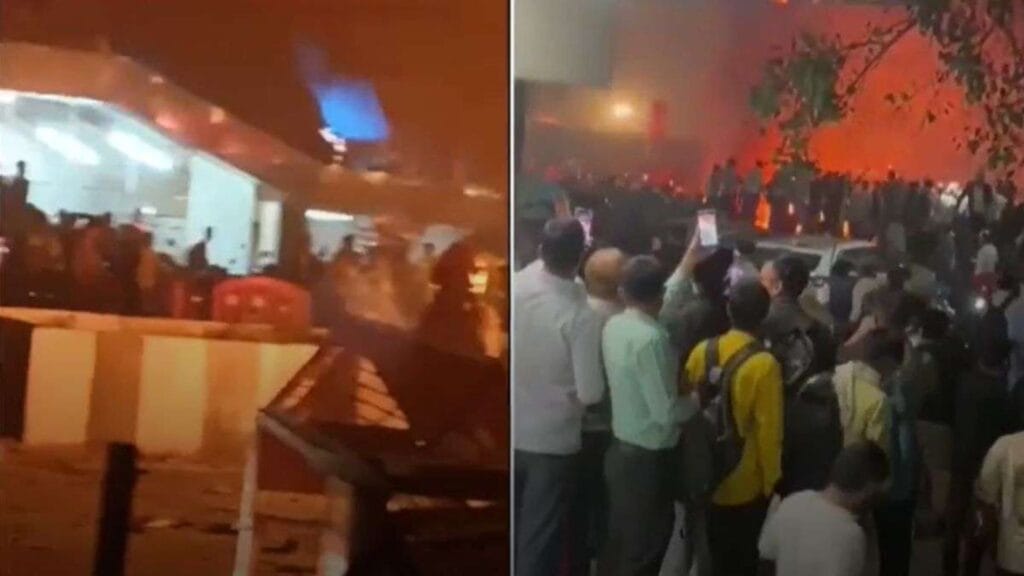
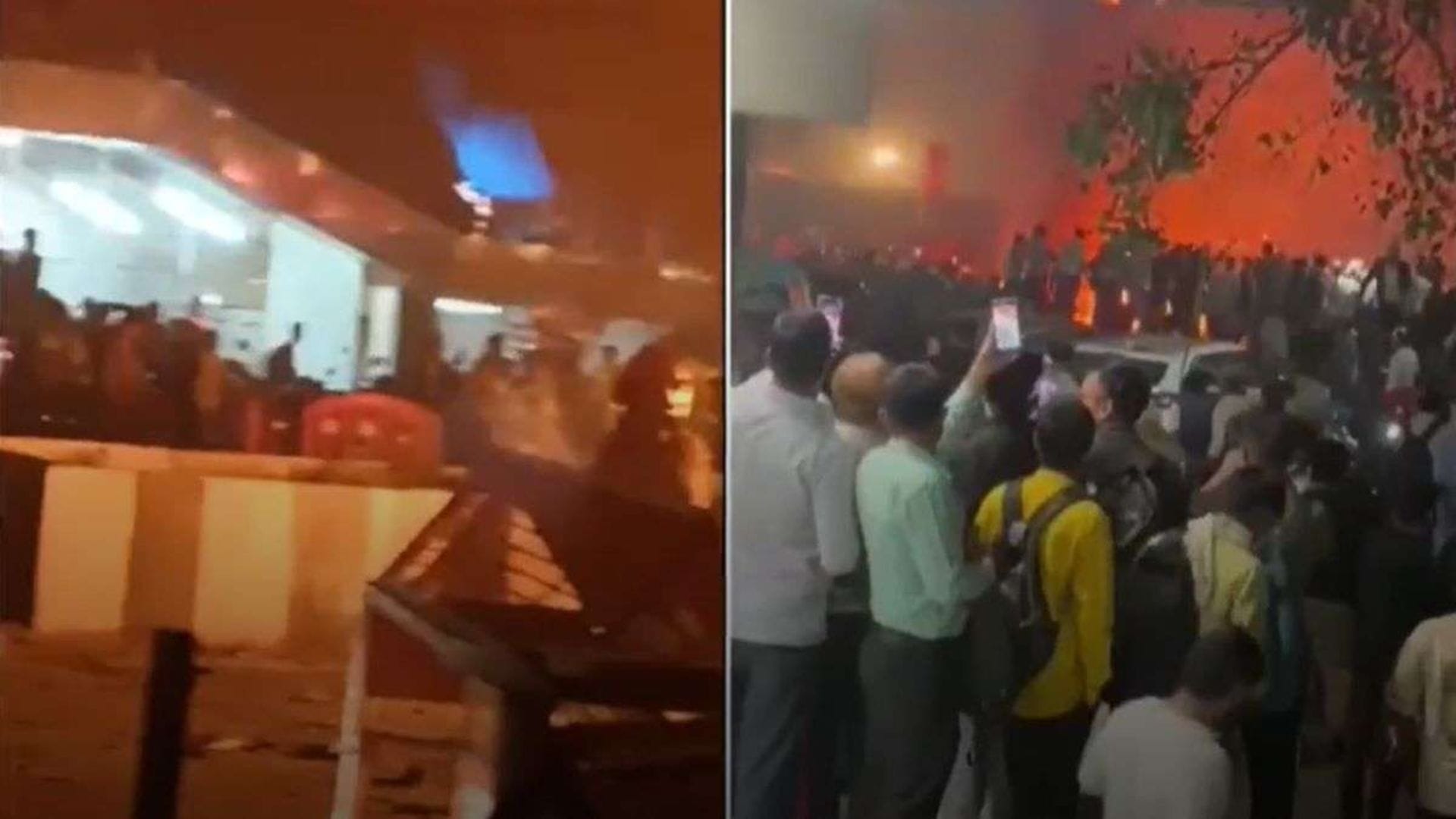
New Delhi, The National Capital was plunged into panic on Monday evening after a powerful explosion rocked the busy area outside the Red Fort (Lal Quila) Metro Station, leaving at least Ten people dead and several others injured. The incident, which occurred in a parked vehicle, has prompted authorities to issue a high alert across Delhi and the surrounding NCR.   Explosion Rocks Old Delhi The blast was reported around 7:15 PM (IST) outside Gate No. 1 of the Red Fort Metro Station, a densely crowded stretch opposite the entrance to Chandni Chowk. Key Details of the Incident: Casualties: Officials at Lok Nayak Jai Prakash Narayan (LNJP) Hospital confirmed that at least eight people succumbed to their injuries after being brought to the facility. Several others are currently receiving treatment, with some reported to be in critical condition. Site of Blast: The explosion reportedly took place inside a parked car, which immediately caught fire. The resulting blaze quickly engulfed three to four nearby vehicles. Impact: Eyewitnesses from the Chandni Chowk trading community described the blast as “massive,” stating that tremors could be felt up to 900 metres away, causing buildings to shake. The explosion triggered immediate chaos as shoppers and commuters rushed to exit the area.   Investigation Underway Teams from the Delhi Police Special Cell, Forensic Science Laboratory (FSL), and the National Investigation Agency (NIA) have rushed to the site, which has been completely cordoned off. Seven fire tenders were deployed and successfully brought the fire under control by 7:29 PM. The exact cause of the explosion is currently under intense investigation. Authorities are probing whether the blast was caused by a CNG cylinder explosion or if it was the result of an Improvised Explosive Device (IED).   High Alert Across the NCR In response to the tragedy and the sensitive location of the blast, a high alert has been sounded across the national capital and neighboring states, including Uttar Pradesh and Haryana. Security has been ramped up at all major public places, transport hubs, and critical government installations. The incident occurs just hours after a major counter-terror operation in Faridabad, Haryana, where a huge cache of explosives and weapons linked to a terror module was recovered, highlighting the heightened security risks in the region. Entry and exit gates at the Red Fort Metro Station were temporarily restricted, though metro services remain operational. Police have urged the public to stay calm and cooperate with security checks as the investigation proceeds.

India

Major Terror Plot Foiled: 350 Kg Explosives and AK-47 Seized Near Delhi, Two J&K Doctors Arrested

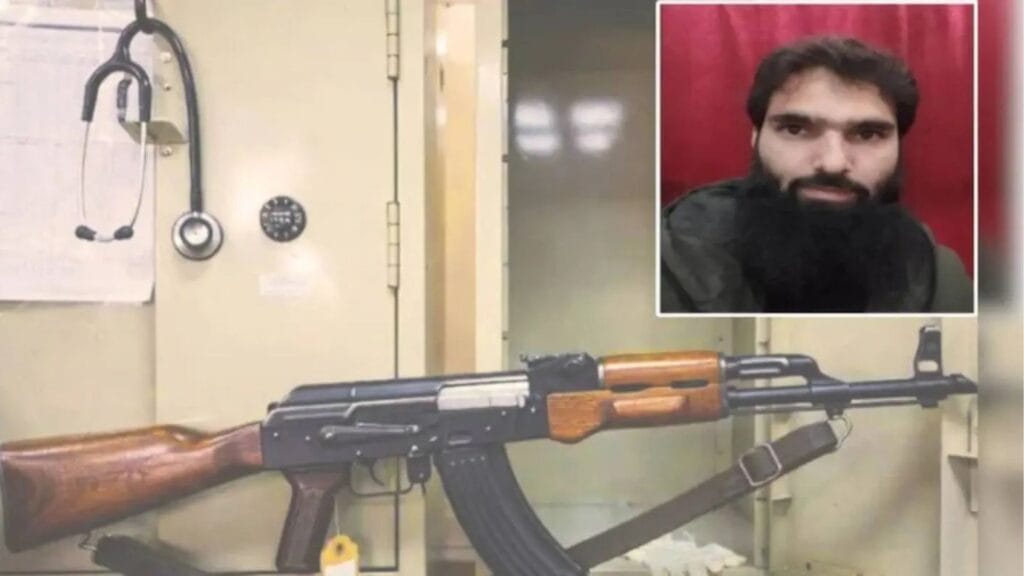
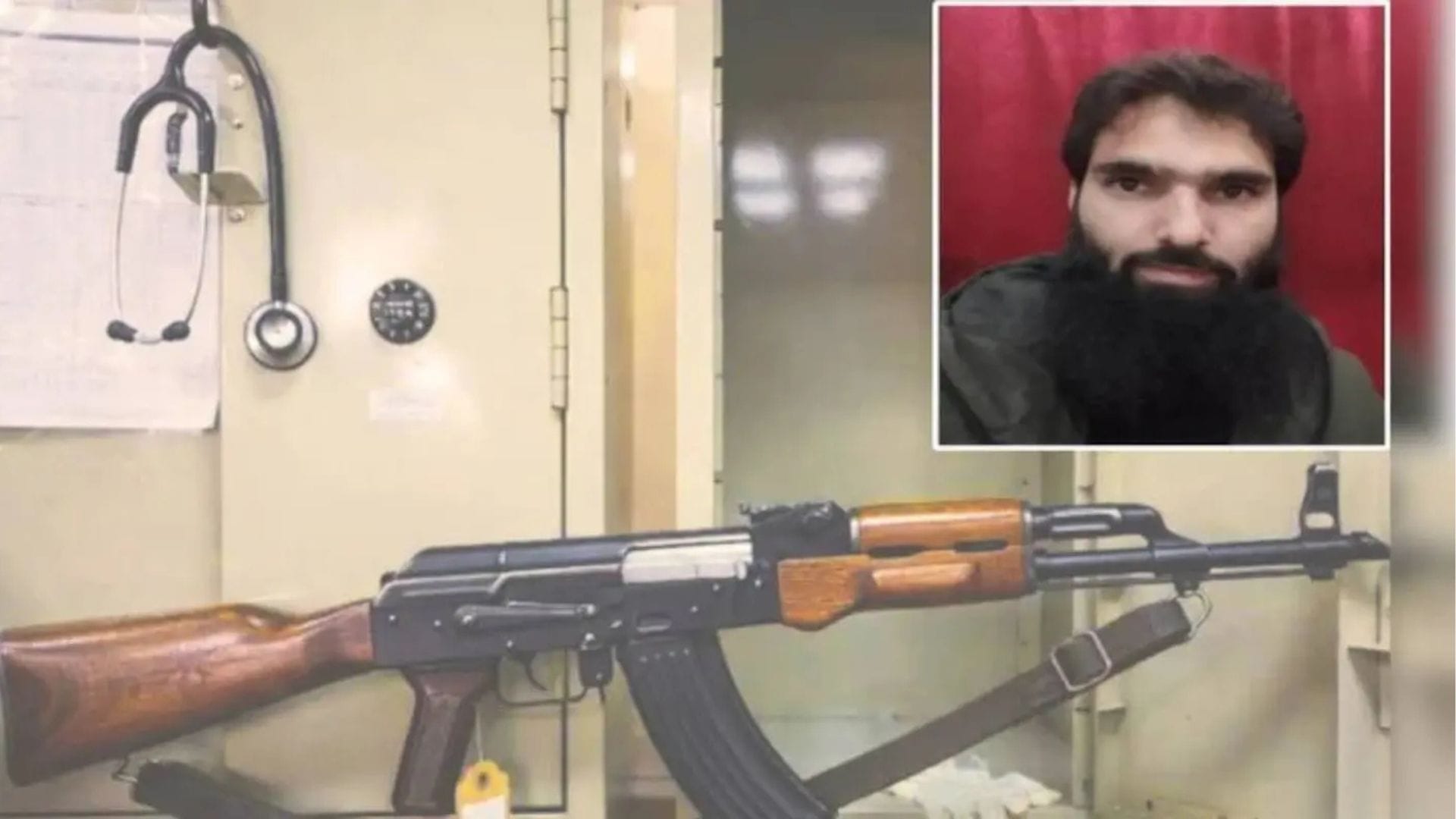
Faridabad,  A major terror conspiracy targeting the National Capital Region (NCR) has been averted following a joint operation by the Jammu and Kashmir (J&K) Police and local forces in Haryana’s Faridabad. The operation led to the discovery of a massive cache of bomb-making material and sophisticated weaponry, and the arrest of a second doctor from J&K suspected of terror links.   The Massive Haul: 350 kg of Explosives   The seizure was made from a rented accommodation in Dhauj village, Faridabad, which is located in close proximity to Delhi. The recovered cache included: 350 kg of explosive substance, confirmed by the Faridabad Police Commissioner to be ammonium nitrate, a chemical compound often used to create powerful Improvised Explosive Devices (IEDs). An AK-47 assault rifle with multiple magazines. A pistol. 20 timers and four batteries, components vital for triggering IEDs. A walkie-talkie set and a large quantity of ammunition. Police officials indicated that the quantity of explosives recovered was sufficient for a series of large-scale terror attacks, underscoring the severity of the foiled plot.   The Arrests: Doctors Linked to Jaish-e-Mohammed (JeM)   The breakthrough was achieved following the interrogation of an individual arrested a fortnight ago: Dr. Adil Ahmad Rather: A Kashmiri doctor from Pulwama, who worked as a senior resident at a Government Medical College in Anantnag until last year. Rather was initially arrested by J&K Police from Saharanpur, Uttar Pradesh, for allegedly putting up posters supporting the banned terror outfit Jaish-e-Mohammed (JeM) in Srinagar on October 27. An AK-47 and ammunition were previously recovered from his locker at the college. Dr. Mujammil Shakeel: The interrogation of Dr. Rather led investigators to a second doctor, Dr. Mujammil Shakeel, also from Pulwama, who was working as an assistant professor at a university in Faridabad. Shakeel had reportedly rented the accommodation in Dhauj village about three months ago, and another room specifically to store the explosives. He was arrested in the coordinated raid that led to the recovery of the arms cache on Sunday. Both doctors have been booked under the Arms Act and the Unlawful Activities (Prevention) Act (UAPA). Sources suggest the arrests point to a troubling trend of terror networks recruiting highly educated professionals to facilitate their operations.   Ongoing Investigation   Authorities are currently investigating the intended targets of the plot and how such a substantial quantity of explosive material was transported undetected to a location so close to the National Capital. The role of other associates and a potential woman doctor, whose car was used to store an assault rifle, remains under the scanner as the joint security teams work to dismantle the entire terror module.  

India

Minor Relief but Toxic Haze Persists: Delhi’s Air Quality Remains in ‘Very Poor’ Category, Overall AQI Stands at 345

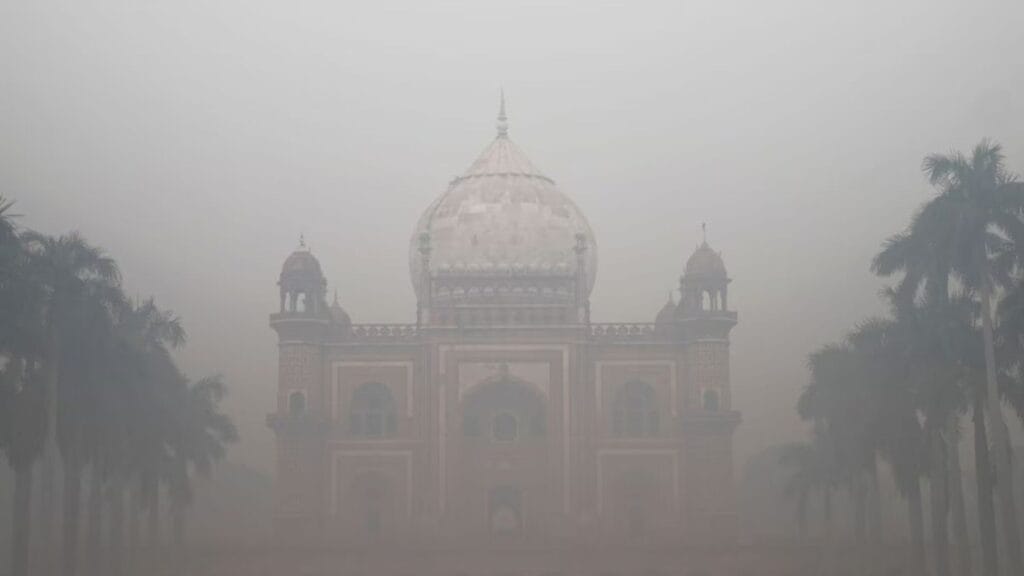
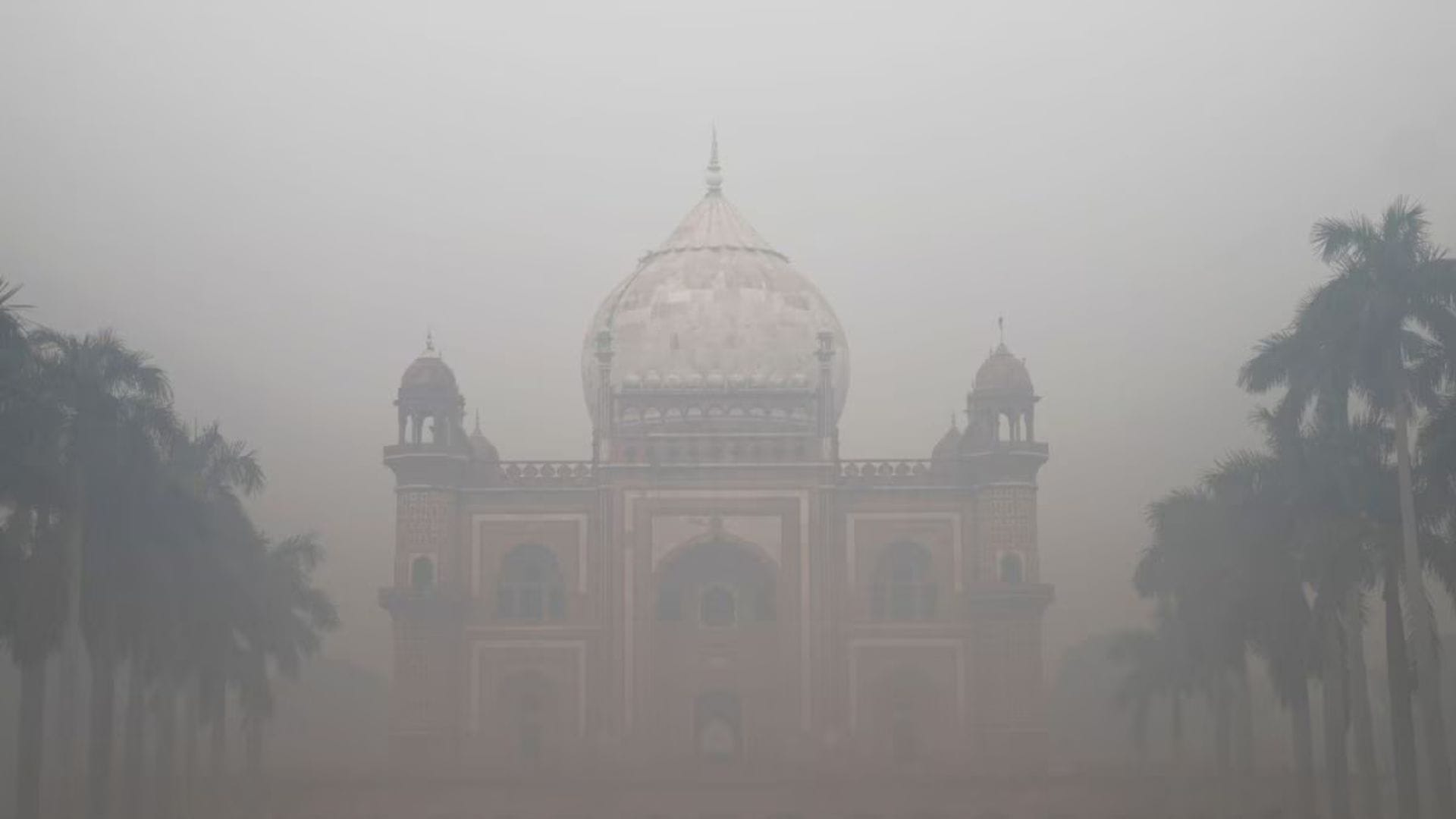
New Delhi, Delhi and the National Capital Region (NCR) received a marginal reprieve from the suffocating pollution that has gripped the region, with the overall Air Quality Index (AQI) showing a slight improvement. However, the relief is nominal, as the city’s air quality remains firmly rooted in the hazardous ‘Very Poor’ category, recording an AQI of 345 this morning, according to data from the Central Pollution Control Board (CPCB). The latest reading marks a downtick from the preceding day, when the AQI had climbed closer to the ‘Severe’ mark, touching 391. Despite the marginal drop, the pervasive smog continues to blanket the city, prompting urgent health advisories.   The Data: Still a Public Health Emergency   An AQI between 301 and 400 is classified as ‘Very Poor,’ indicating that prolonged exposure to this air quality can cause respiratory illness. While the overall average improved, several monitoring stations in the capital continued to report alarming levels, with some zones bordering on ‘Severe’ (401-500): Bawana briefly registered a ‘Severe’ AQI, with readings above 400. Other hotspots like Anand Vihar (379), Alipur (360), and Rohini (390) all remained deep within the ‘Very Poor’ zone. The human cost of the pollution is evident on the ground. As one resident, Rahul, shared with news agencies, the air quality is causing severe health discomfort. “Pollution is really high. This is not fog, this is pollution. We are facing breathing difficulties and eye irritation. Government must take steps,” he said, citing the combined effects of stubble burning and firecracker residue.   Government Response: GRAP Stage II Measures Continue   The marginal improvement has played a decisive role in the authorities’ decision regarding further anti-pollution measures. The Commission for Air Quality Management (CAQM) sub-committee on the Graded Response Action Plan (GRAP) has chosen not to invoke Stage III restrictions at this time. Under the revised guidelines, Stage III is typically activated when the AQI is consistently expected to remain above 400 (Severe). Currently, GRAP Stage II measures remain in force across Delhi-NCR. These restrictions include: Intensified use of water sprinklers and anti-smog guns to suppress road dust. Strict enforcement of dust control norms at construction and demolition sites. A ban on diesel generator (DG) sets for non-essential use. Proactive steps by the Delhi government, such as changing government office timings to stagger traffic flow and reduce vehicular emissions during peak hours. While authorities state that the coordinated, early action has prevented the situation from escalating, environmental experts stress that the city remains one adverse weather event away from slipping back into the ‘Severe’ category.   Health Advisory   Citizens are strongly advised to take necessary precautions as the ‘Very Poor’ air quality continues to impact public health: Limit Outdoor Activity: Avoid strenuous outdoor physical activities, especially during the early morning and late evening hours. Wear Masks: Use N95 or P95 masks when stepping outside. Keep Windows Closed: Minimise outdoor air entry, particularly in homes with children, the elderly, or those with existing respiratory conditions.

India, Bihar Elections, Important News

📸 From Brazil to Bihar: New Viral Photo Fuels ‘Vote Theft’ Claims, Sparking Fresh Controversy

New Delhi/Patna: A fresh controversy has erupted around the Opposition’s “vote theft” claims, which were initially ignited by the circulation of a Brazilian woman’s photograph allegedly appearing multiple times in the Haryana voter list. Now, an image of an Indian woman with inked finger, reportedly from Pune, Maharashtra, has gone viral on social media, further fueling the political slugfest during the ongoing Bihar Assembly elections. The photo, bearing the caption ‘Will vote in Bihar…’ or similar context, is being circulated by political commentators and citizens, suggesting a continuation of the kind of electoral anomalies alleged by the Congress party. The Latest Viral Image The current wave of controversy centers on an Indian woman’s picture, taken after she had cast her vote (identifiable by the indelible ink mark on her finger). * The Allegation: The photo’s virality stems from unverified claims that it is being associated with duplicate voter entries, echoing the much-publicised case of the Brazilian woman. Social media users and some opposition affiliates have used the image to keep the conversation about alleged electoral manipulation alive as Bihar goes to the polls. * The Context: The image is reportedly of a woman from Pune, Maharashtra. Its use in the context of the Bihar elections, suggesting the photo is being misused in a different state, has generated fresh scrutiny on the integrity of the electoral data across India. The Brazilian Connection: The Original Spark This new incident follows the massive row created when Congress leader Rahul Gandhi presented a dossier alleging widespread voter fraud in the recent Haryana Assembly elections. * The Claim: Gandhi alleged that a single stock photograph of a Brazilian woman (identified as Larissa) was used repeatedly—reportedly 22 times across 10 booths—in the Haryana voter list under different names like ‘Seema’, ‘Sweety’, and ‘Saraswati’. * The Brazilian’s Reaction: The woman, a Brazilian influencer and hairdresser named Larissa, reacted with shock in a viral video, confirming the photo was an old stock image and clarifying, “I have absolutely nothing to do with politics in India. It’s not me, I’ve never even been to India.” * Ground Reality Check: Subsequent media investigations into the Haryana list found multiple anomalies, including cases where voters confirmed that their IDs had carried photo misprints (like the Brazilian woman’s image), but they denied any “vote theft,” stating they cast their votes using other verified IDs like Aadhaar. Disturbingly, one voter whose record carried the viral photo was found to be deceased since 2022, highlighting serious flaws in voter roll maintenance. 🗳️ Election Commission and Political Response The Election Commission of India (ECI) has strongly denied the allegations, calling them “baseless.” They assert that the Special Intensive Revision (SIR) exercise has, in fact, “purified” the voter list. However, the Opposition is using these viral images to intensify its political campaign, particularly in Bihar, where a close contest is underway: * Congress’s Stand: The Congress maintains that the ECI is engaged in “systemic manipulation” to remove the names of Dalit, Muslim, and women voters, particularly in close-contest Assembly seats in Bihar. * BJP’s Rebuttal: The ruling party has dismissed the claims as “propaganda” and an excuse for the Opposition’s anticipated electoral defeat, defending the ECI’s revision exercise. The recurrence of viral photos in this high-stakes election season has successfully pushed administrative data errors—and the accompanying allegations of manipulation—to the forefront of the public discourse, casting a shadow over the polling process. Given the intense debate over electoral integrity, would you like to see a breakdown of the specific allegations made by the Congress regarding the deletion of women’s names from the Bihar voter list?

Scroll to Top