














News Unwrapped

Thursday, January 15, 2026 11:09 AM
Hot News

GEO Politics

GEO Politics, Global

A Strategic Pact: India-US Defence Deal Brings Forth New Dimensions in Geopolitics

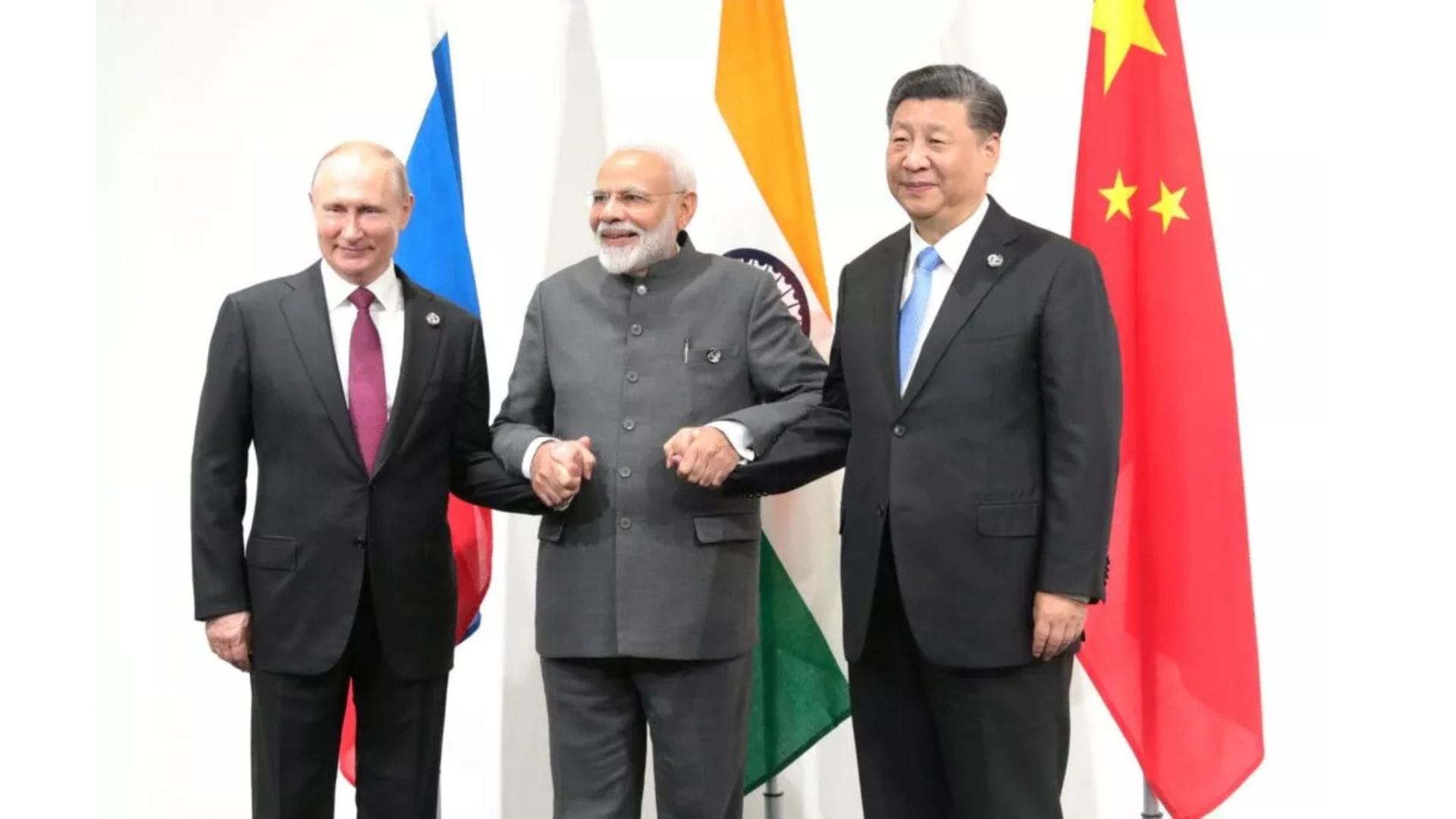
Last week’s signing of the expansive 10-year defense pact between India and the United States has sent a clear, powerful signal across the global strategic landscape. Far from a ceremonial renewal of existing ties, this new “Framework for the US-India Major Defence Partnership” is a forward-looking blueprint that officially ushers in a new era of defence technology sharing, co-production, and strategic alignment, fundamentally reshaping the geopolitics of the Indo-Pacific. Signed by Defence Minister Rajnath Singh and US Secretary of Defense Pete Hegseth on the sidelines of the ASEAN Defence Ministers’ Meeting-Plus (ADMM-Plus) in Kuala Lumpur, the agreement goes beyond the buyer-seller relationship to bring forth three critical new dimensions. New Dimension 1: The Quantum Leap in Technology Transfer   The most significant shift lies in the agreement’s focus on defence industrial collaboration and technology co-development. For years, India’s quest for state-of-the-art US technology has been stymied by Washington’s strict export control regimes. This pact promises to dismantle those barriers, aligning closely with India’s ambitious ‘Make in India’ and ‘Atmanirbhar Bharat’ (Self-Reliant India) initiatives. Jet Engine Technology: A centerpiece of this cooperation is the monumental agreement between India’s Hindustan Aeronautics Limited (HAL) and General Electric (GE) for the co-production of fighter jet engines. This transfer of high-end jet engine technology—which could potentially involve the GE-414 engine for India’s indigenous Tejas Mark 2 fighter—is an unprecedented gesture of trust, transforming India’s capabilities in high-tech manufacturing. Joint Production: The framework plans to greenlight the joint production of critical systems like Javelin anti-tank missiles, Stryker armoured personnel carriers, and deeper collaboration on emerging technologies like AI, unmanned aerial systems (drones), and cyber defence. Interoperability: By committing to enhanced information sharing and coordination, the agreement builds upon earlier foundational pacts (like LEMOA, COMCASA, and BECA), ensuring the two militaries can operate more cohesively during joint exercises and potential contingencies. For India, this promises a massive technological upgrade and a strategic diversification of its defense supply chains, reducing its historical dependency on Russia.   New Dimension 2: The Cornerstone of Indo-Pacific Security   The pact explicitly reaffirms the shared vision of a “free, open, and rules-based Indo-Pacific region.” This strategic language underscores the agreement’s role as a direct counterweight to China’s assertive military expansion in the region. Strategic Convergence: By institutionalizing a decade-long strategic roadmap, the pact elevates India’s status as the US’s indispensable partner in Asia. It is a powerful message that Washington is strategically investing in New Delhi to maintain a balance of power in the Indian Ocean Region and the wider Indo-Pacific theatre. Quad Strengthening: The bilateral synergy will inevitably strengthen the multilateral Quad grouping (India, US, Japan, Australia), reinforcing India’s position as a key regional security provider committed to resisting coercive maritime behavior. Enhanced Deterrence: Deeper collaboration in Maritime Domain Awareness (MDA) and complex joint military exercises (such as Malabar) will significantly improve the collective deterrence posture, particularly for protecting critical sea lanes and responding to regional crises.   Geopolitical Ripples: Alignments and Divisions   The “Strategic Pact” is already creating ripples that will influence regional dynamics: Actor Geopolitical Implication China The pact is perceived as a hardening of the security encirclement in the Indo-Pacific. China will view the deeper military integration and transfer of advanced technologies to India as a direct challenge to its regional ambitions. Russia While India-Russia defense ties remain significant (especially with deals like the S-400 missile system), the US pact accelerates India’s strategic pivot towards Western technology. This forces Moscow to recalibrate its long-term defense relationship with New Delhi. Pakistan Analysts in Islamabad are likely to view the pact with deep concern, seeing it as a tilt in Washington’s regional calculus. This may push Pakistan to deepen its defense and economic reliance on China, contributing to a more bipolar security alignment in South Asia.   A Decade of Partnership and Potential Challenges   The new framework is a testament to the maturing India-US relationship, demonstrating that strategic alignment can transcend current trade and tariff frictions. It guarantees a level of policy predictability and long-term coherence vital for both nations’ defense planning. However, challenges remain. For India, the delicate task is to balance this deep engagement with the US while maintaining its treasured strategic autonomy and managing sensitivities with its traditional partner, Russia. For the US, successful implementation hinges on easing export controls and navigating bureaucratic hurdles to ensure promised technology transfers are delivered on time and in full. In its scope, ambition, and explicit strategic intent, the India-US Defence Pact is more than a simple agreement; it is the strategic cornerstone of a new security architecture for Asia. The next ten years are set to witness India solidify its place as a pivotal global power and a crucial pillar in the rules-based international order.
GEO Politics, Global

Geopolitics in Flux: Why Central Asia Is Becoming China’s New Chessboard and India’s Strategic Test

Central Asia, a region once viewed through the lens of Russian dominance, is rapidly emerging as the new nexus of global power competition. Comprising the five former Soviet Republics (Kazakhstan, Kyrgyzstan, Tajikistan, Turkmenistan, and Uzbekistan)—collectively known as the CARs—this strategic heartland of Eurasia is no longer a peripheral territory. It has transformed into a high-stakes chessboard where China is making a powerful geo-economic play, setting up a critical strategic test for India’s regional ambitions. The tectonic shift in the region’s power dynamics, accelerated by the war in Ukraine and the U.S. withdrawal from Afghanistan, has created a vacuum. This void is being rapidly filled by the two Asian giants, each employing distinct strategies to secure their interests in a pivotal region rich in resources, critical for continental connectivity, and vital for border security.   1. China’s Chessboard: The Geo-Economic Titan   For Beijing, Central Asia is the indispensable western anchor of its global vision. China’s strategy is not merely about influence; it is about continental-scale connectivity and securing its strategic backyard.   The Belt and Road Initiative (BRI) Anchor   China’s principal vehicle for engagement is the Silk Road Economic Belt (SREB), the overland component of the BRI. This initiative seeks to transform Central Asia from a landlocked region into a land-linked corridor, providing China with: Connectivity and Trade: A “land bridge” connecting China to Europe, the Middle East, and West Asia, bypassing vulnerable maritime chokepoints. China is now the top, or second-largest, trade partner for most CARs. Energy Security: Securing long-term access to energy supplies, including natural gas from Turkmenistan and Kazakhstan via the Central Asia-China gas pipelines. Border Security: Creating a stable buffer zone along its borders with Xinjiang. Beijing is focused on combating the “Three Evils”—terrorism, separatism, and religious extremism—often through security cooperation mechanisms under the Shanghai Cooperation Organization (SCO) and bilateral training of regional forces. To institutionalize its growing clout, China has elevated its diplomatic engagement through the C5+1 mechanism (China plus the five CARs). Through massive investments in infrastructure, digital networks, and industrial projects, China has established itself as the unquestionable economic hegemon, making a clear statement that its rise is inextricably linked to the prosperity of Central Asia.   2. India’s Strategic Test: The Connectivity Challenge   India’s primary challenge in Central Asia is geographical: the lack of a direct land route, blocked by Pakistan. Despite this hurdle, New Delhi recognizes the region’s significance for its energy security, counter-terrorism efforts, and strategic desire to establish an alternative developmental model to China’s.   The ‘Connect Central Asia Policy’ and INSTC   India’s policy, formalized in 2012, focuses on a multi-dimensional approach encompassing security, energy, trade, and cultural ties. The key pillars are: The International North-South Transport Corridor (INSTC): This multi-modal sea, rail, and road network aims to connect India to Iran, Azerbaijan, Russia, and Central Asia, drastically reducing transport time and costs compared to the Suez Canal route. Chabahar Port: Situated in Iran, this port is India’s “Golden Gate” to Central Asia, providing a crucial maritime bypass to Pakistan. Its operational success is vital to realizing the full potential of the INSTC. Soft Power and Capacity Building: India leverages its historical and cultural ties—rooted in the ancient Silk Road, Sufism, and Bollywood—to maintain influence. Programs like the Indian Technical and Economic Cooperation (ITEC) offer training and expertise, positioning India as a reliable partner focusing on human resource development rather than large-scale debt-fueled infrastructure. For the CARs, India offers a necessary counterbalance, allowing them to diversify their diplomatic and economic partnerships and avoid over-reliance on a single major power.   3. The Shifting Sands: Russia’s Wane and CARs’ Agency   The geopolitical flux has been dramatically accelerated by external shocks. US Retrenchment: The 2021 withdrawal of the United States from Afghanistan removed a key stabilizing presence, leaving a security vacuum that primarily concerns the southern CARs (Tajikistan, Uzbekistan, and Turkmenistan). Russia’s Distraction: Russia’s full-scale invasion of Ukraine in 2022 has severely curtailed its ability to project decisive military and economic power in Central Asia. Historically the primary security guarantor, Moscow is now seen as a less reliable, and even a cautionary, figure. In response, the Central Asian states have collectively asserted a more confident, ‘multi-vector’ foreign policy. They are diversifying alliances, strengthening intra-regional cooperation, and opening doors wider to China, Turkey, and other external powers to enhance their sovereignty and maximize economic gains while minimizing dependence on any single country. The region’s stability hinges on its success in maintaining this delicate balancing act between their traditional security partner (Russia), their primary economic partner (China), and the aspirational alternative (India).   Conclusion: A New Great Game Defined   Central Asia is now the stage for a new “Great Game,” fundamentally driven by the contrasting strategies of Asia’s two largest economies. China’s approach is defined by geo-economics—utilizing vast financial power and infrastructure projects to create dependency and secure strategic assets. India’s approach, constrained by geography, is focused on alternative connectivity, security cooperation, and soft power diplomacy to secure its energy interests and preserve strategic space. For India, the task is monumental: it must urgently operationalize the INSTC and Chabahar Port to compete with the velocity and scale of China’s BRI. For China, the challenge is to manage the perception of “debt-trap” diplomacy and avoid overt security competition with a retreating but still present Russia. The ultimate outcome will not be the domination of a single power, but a complex, fluid environment where the Central Asian republics themselves will determine their future by skillfully managing the competitive interests of the world’s rising giants. The heart of Eurasia is in play, and the world is watching.

GEO Politics, Global

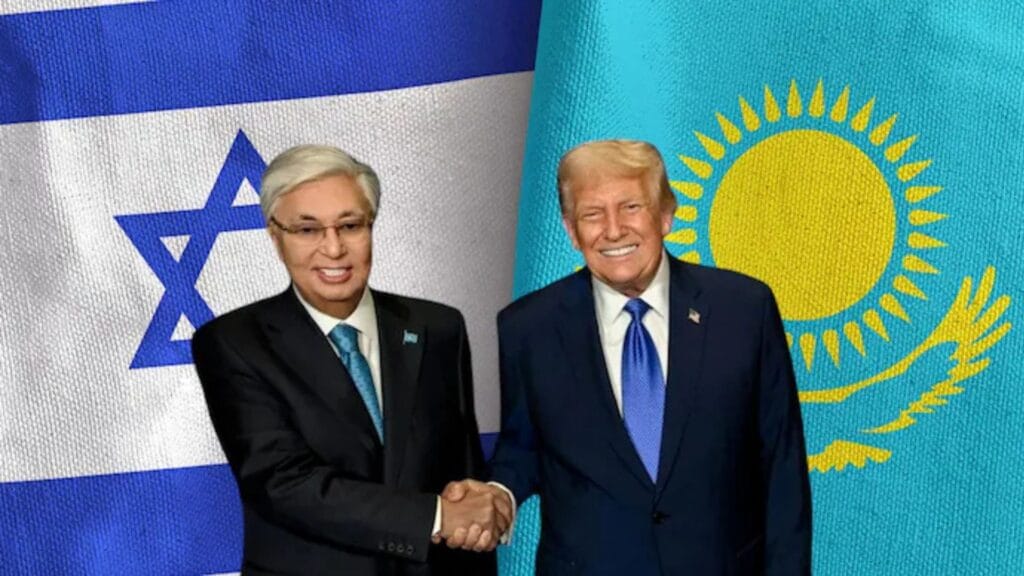
Why Kazakhstan Joined the Abraham Accords: A New Geopolitical Balancing Act

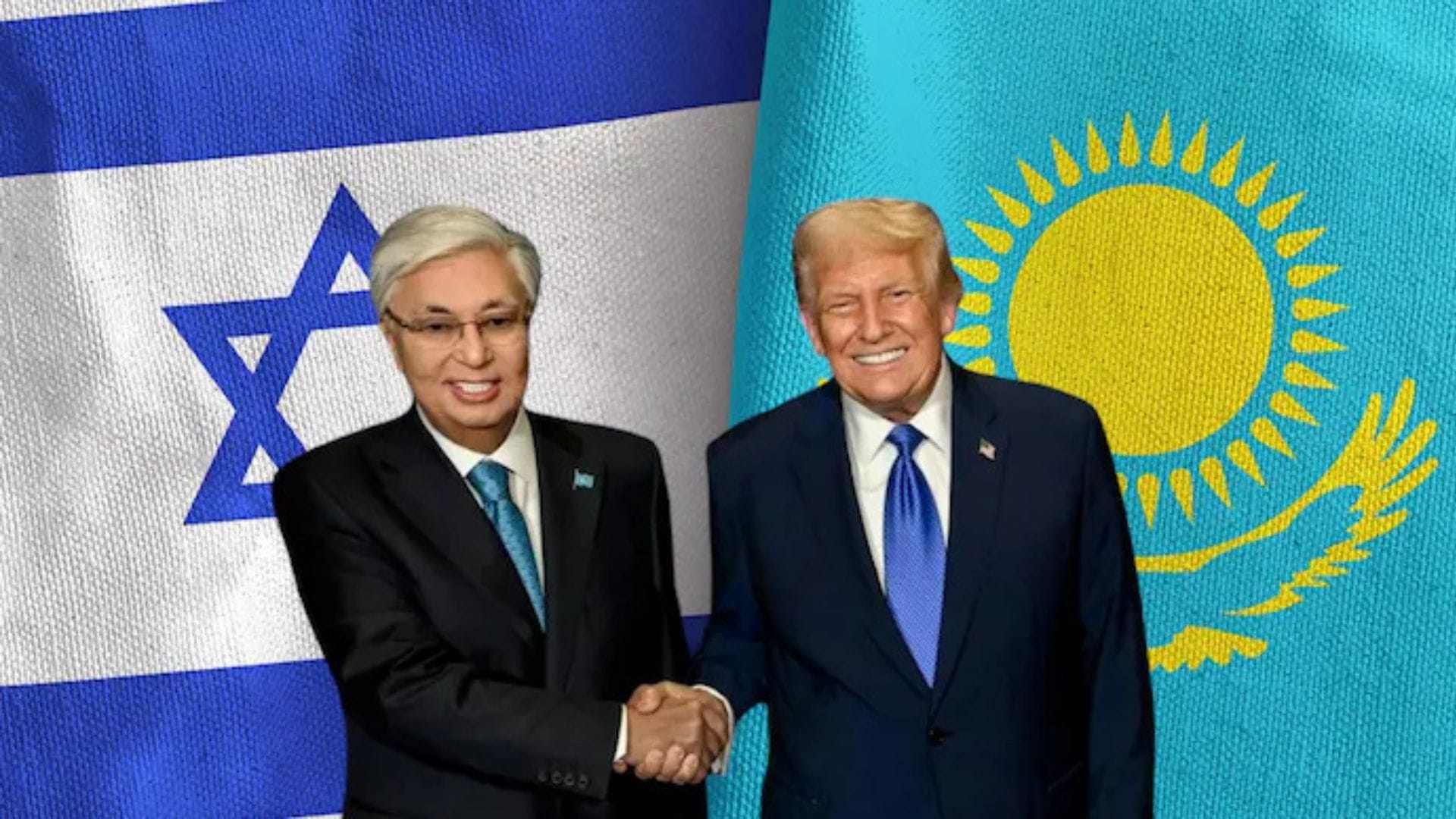
The Abraham Accords, once a diplomatic framework centered on the Middle East, have suddenly leapfrogged the map and landed in the heart of Central Asia. The official announcement that Kazakhstan—the region’s largest and wealthiest economy—will join the US-brokered pact with Israel is a quiet but seismic shift that redefines the country’s foreign policy and signals a new front in the global competition for influence. While Kazakhstan and Israel have maintained full diplomatic relations since 1992, Astana’s accession is far more than a simple diplomatic footnote. It is a calculated, low-cost, yet high-visibility move that perfectly encapsulates the nation’s long-standing “multi-vector” foreign policy: a masterful act of geopolitical balancing.   The Logic of the Steppe: Counterbalancing Two Giants   Kazakhstan is geographically sandwiched between two global powers, Russia and China. This reality necessitates a complex foreign policy that seeks maximum flexibility and independence. For years, Astana has delicately managed its relationship with Moscow (a key security partner) and Beijing (its largest trading partner). Joining the Abraham Accords represents a strategic maneuver to bring a powerful third pillar—the United States and its allies—firmly into its sphere of influence. Here’s why the move is a centerpiece of Kazakhstan’s balancing act: Gaining Washington’s Favor: The decision was announced during a high-profile C5+1 summit in Washington D.C. Accession to the Accords is a clear signal of preferential alignment with US strategic interests, generating goodwill with the Trump administration and paving the way for greater American investment. Economic Diversification and Technology: President Kassym-Jomart Tokayev has consistently emphasized the move’s economic rationale. Kazakhstan is eager to diversify its economy beyond oil and extractive industries. Israel, a global leader in high-tech fields like agritech, water management, cybersecurity, and defense, offers precisely the expertise needed for Kazakhstan’s modernization push. Furthermore, the move facilitates new cooperation on critical minerals, a key priority for the US to reduce its reliance on China. A Global Bridge Builder: By formalizing its role within the Accords, a pact that unites Muslim-majority nations with Israel, Kazakhstan reinforces its self-image as a moderate, stable Muslim nation and a diplomatic “bridge” between East and West. This status boosts its global soft power and separates it from the regional geopolitical rivalries of Russia and Iran.   Reinvigorating the Accords and Redrawing the Map   For the United States, Kazakhstan’s entry breathes new life into the Abraham Accords, which had slowed down amidst heightened tensions in the Middle East. It demonstrates that the diplomatic framework is a viable, expanding architecture of cooperation that transcends its original geography and remains relevant to the broader Muslim world. For Israel, the move is a significant diplomatic success. It expands the Accords’ reach into the strategically vital territory of Central Asia, offering a strategic foothold in a region historically dominated by Moscow and increasingly courted by Tehran. Every new Muslim nation that joins the Accords chips away at the narrative of Israel’s international isolation. Ultimately, Kazakhstan’s decision is less about creating a new relationship and more about placing an existing one into a new, powerful strategic architecture. It’s a pragmatic, utility-driven foreign policy choice designed to translate diplomatic symbolism into measurable economic and security gains. In the high-stakes chess match for influence across Eurasia, Kazakhstan has chosen its next move carefully, leveraging an initiative from the West to counterbalance the proximity of the East. The steppe has spoken: the future of Central Asian diplomacy will be decided through a new, complex, and high-tech balancing act.

Global, GEO Politics

The Geopolitics of Ports: Re-evaluating Economic Interdependence in the Horn of Africa

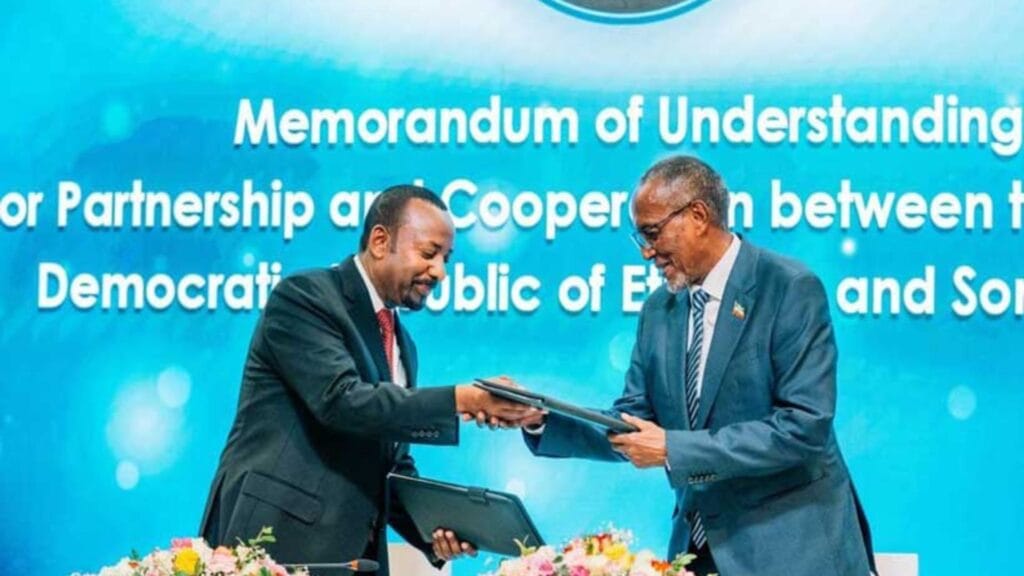
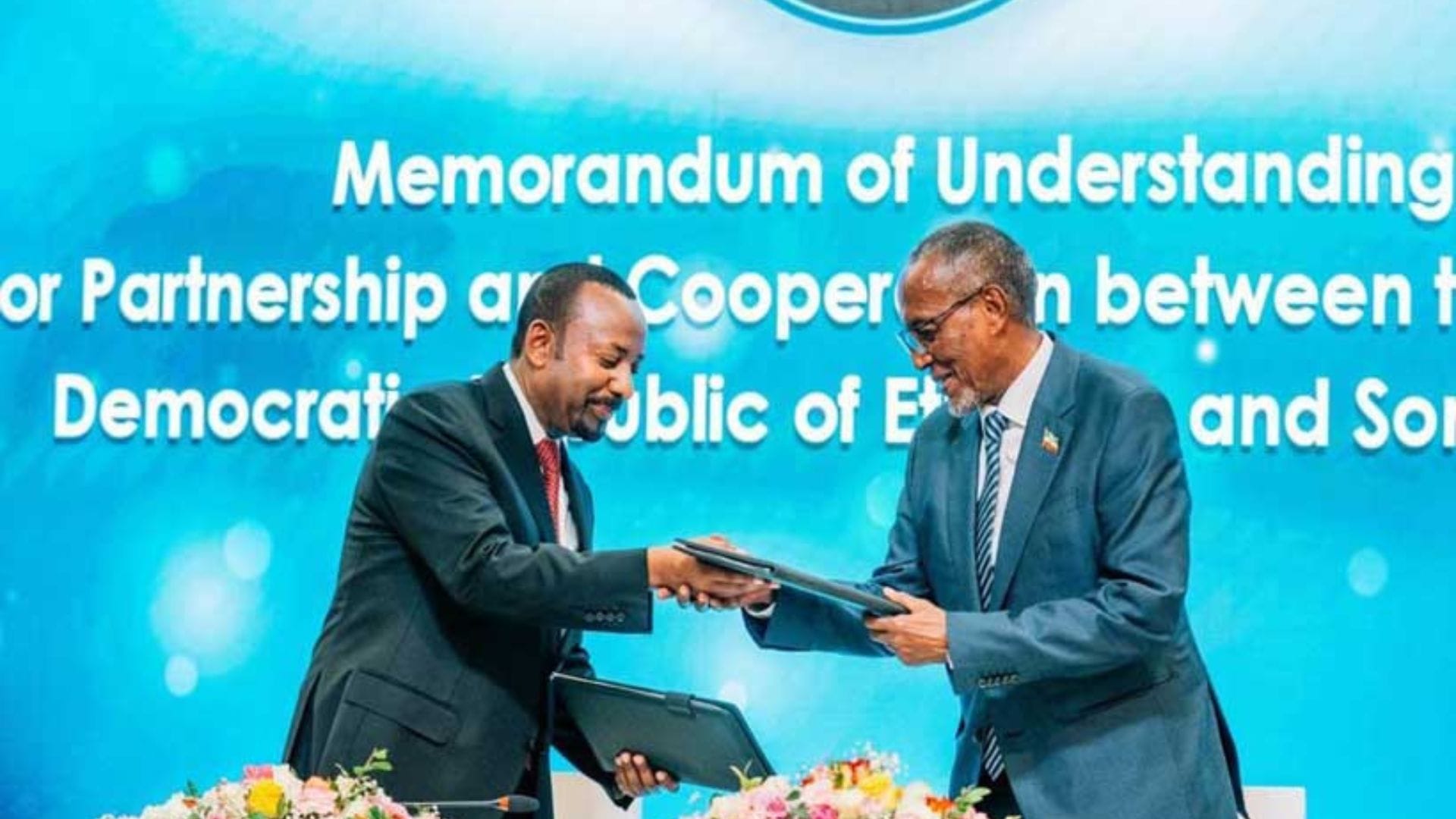
By Our Geopolitical Correspondent The Horn of Africa—a crucial crossroads where the Red Sea meets the Indian Ocean—is currently undergoing a dramatic re-evaluation of its economic and geopolitical landscape. Once primarily seen through the lens of internal conflict and instability, the region has transformed into a strategic chessboard where global and regional powers are using port investments to reshape economic interdependence, often blurring the lines between commerce and military influence. The once-clear promise of shared prosperity from upgraded infrastructure is now shadowed by intensifying geopolitical rivalries and risks to regional stability.   The New Maritime Silk Road: Key Ports and External Players   The strategic importance of the Horn of Africa is anchored in the Bab el-Mandeb Strait, one of the world’s most vital maritime chokepoints, through which an estimated 15% of global trade and a significant volume of oil transit. This geography has attracted major international players, with their influence manifesting most visibly in port infrastructure. Key Port Host Country/Territory Primary Foreign Investors/Operators Geopolitical Significance Djibouti (Doraleh) Djibouti China, France, USA Host to multiple foreign military bases (China’s first overseas base, US, France, Japan), making it the region’s premier logistics and military hub. Berbera Somaliland (unrecognized) UAE (DP World), Ethiopia Provides an alternative sea route for landlocked Ethiopia, challenging Djibouti’s monopoly, and offering the UAE a strategic foothold in the Gulf of Aden. Assab Eritrea UAE (past interest) Historically vital for Ethiopia; its development or control is a key factor in Eritrea’s regional strategy and the balance of power. Port Sudan Sudan Qatar (past interest), UAE (recent deals) A strategic target for Gulf states due to its position on the main Red Sea trade lane, influenced heavily by regional Gulf rivalries. Mogadishu Somalia Turkey (Albayrak Group), Qatar Turkey’s key entry point for humanitarian and commercial engagement, often counterbalancing Gulf influence in the region. The most assertive external actors are the United Arab Emirates (UAE) and China. The UAE, through its global port operator DP World, has sought to dominate maritime logistics from Berbera to Port Sudan, driven by commercial interests, food security concerns, and the need to secure maritime routes. China’s engagement, a core part of its Belt and Road Initiative (BRI), focuses on massive infrastructure financing, exemplified by the Doraleh Multipurpose Port and the adjacent military base in Djibouti, giving Beijing both commercial and strategic leverage.   Economic Interdependence: A Double-Edged Sword   For landlocked nations like Ethiopia, the quest for diversified sea access is an absolute economic imperative. Currently, over 95% of its foreign trade passes through the Port of Djibouti, costing the nation substantial port fees annually. This heavy reliance exposes Ethiopia to immense logistical costs and significant geopolitical vulnerability, as demonstrated by historical conflicts and policy shifts. The recent flurry of port-centric development was initially heralded as a path to greater economic interdependence, where a connected network of competing ports would reduce costs and foster shared prosperity. However, the reality has been more complex: Zero-Sum Competition: Instead of fostering collective development, port projects often become zero-sum games. Countries view maritime connectivity as a source of leverage, leading to overlapping, uncoordinated projects that intensify economic rivalry. Importing Foreign Rivalries: The region’s nations are aligning themselves with different foreign patrons—China, the UAE, Turkey, and Qatar—who often compete fiercely. This dynamic imports external geopolitical tensions (e.g., the intra-Gulf rift) directly into the domestic politics and regional relations of the Horn, exacerbating existing local cleavages. Militarization and Influence: Port investments are increasingly intertwined with security. Concessions for commercial development are often quickly followed by agreements for military bases or naval access, trading commercial benefit for military dependence and allowing foreign actors considerable influence over local politics.   The Quest for Sovereignty and Stability   The fundamental challenge for the Horn of Africa is to convert these high-value strategic assets from flashpoints of external competition into true building blocks for regional cooperation. While foreign investment brings much-needed capital and infrastructure, it also risks compromising national and regional control over critical trade corridors. Experts suggest that genuine, long-term stability will require the countries of the Horn to: Develop Regional Frameworks: Establish a coordinated regional body, perhaps under IGAD or the African Union, to harmonize port tariffs, investment rules, and security protocols, shifting the focus from individual country advantage to collective efficiency. Negotiated Access over Ownership: For landlocked giants like Ethiopia, the pursuit of guaranteed, negotiated access and equity stakes in multiple ports (Berbera, Assab, Port Sudan) is arguably more stabilizing and economically rational than the politically explosive demand for outright port ownership. Prioritize Economic over Military Logic: Ensure future infrastructure deals are based primarily on commercial rationale and regional integration plans, rather than being leveraged for short-term geopolitical or military gains by external powers. The Horn of Africa’s ports are the new frontier of global commerce and strategic power. The region’s future hinges on its ability to transcend the legacy of conflict and leverage this immense strategic location not for external power projection, but for the mutual economic benefit of its own people. Until then, every new container crane on the Red Sea coast will serve as a stark reminder of the delicate balance between economic need and geopolitical peril.

Scroll to Top