

News Unwrapped

Thursday, January 15, 2026 11:01 AM
Hot News

Author name: Shakti Sharma

India

Faith and Friction: Pakistan Denies Entry to Hindu Pilgrims in Sikh ‘Jatha’

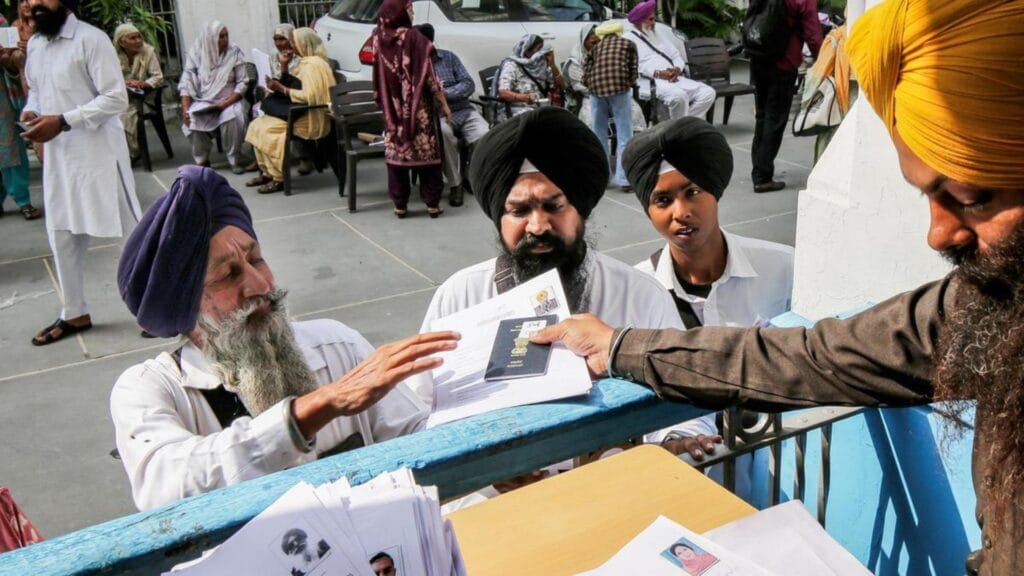
New Delhi | November 5, 2025 In a concerning incident highlighting the persistent religious friction in cross-border relations, Pakistan has reportedly denied entry to seven Indian citizens who were part of a Sikh pilgrimage group (jatha) traveling to commemorate the birth anniversary of Guru Nanak. The stated reason for the denial was simply: “You are Hindu”. The pilgrims were traveling as part of a larger jatha, a group of Sikh devotees, to holy sites in Pakistan to mark the birth anniversary of the founder of Sikhism, Guru Nanak Dev Ji. The denial of entry to members of the group based on their Hindu faith has sparked immediate concern and raised questions about the criteria and discriminatory practices being employed for religious tourism visas.   The Pilgrimage and the Protocol Every year, thousands of Sikh devotees from India travel to Pakistan to visit Gurdwaras, including Gurdwara Janam Asthan in Nankana Sahib, the birthplace of Guru Nanak Dev Ji. These visits are generally facilitated under a bilateral protocol that aims to ensure smooth travel for religious purposes. The inclusion of Hindu members in the jatha is a common occurrence, reflecting the deep cultural and historical ties between Sikhism and Hinduism, as well as the composite nature of Indian society. The pilgrims who were denied entry were following the same religious itinerary as the Sikh members of their group.   A Step Backwards? This incident is particularly jarring as both nations have often sought to use religious pilgrimage as a path for cultural and people-to-people exchanges, notably with the Kartarpur Corridor connecting Dera Baba Nanak in India to Gurdwara Darbar Sahib in Pakistan. The reported rationale—that being Hindu disqualifies an Indian citizen from being part of a Sikh pilgrimage group—is a clear case of religious profiling. It directly contradicts the spirit of the pilgrimage, which celebrates a faith whose founder championed universal brotherhood and religious tolerance. The denial of entry based on the identity “You are Hindu” suggests an institutional bias against Indian nationals of a specific faith, even when they are part of a widely recognized religious delegation. The Indian Ministry of External Affairs is expected to take up the matter with Pakistani authorities to seek an immediate clarification and ensure that such religious discrimination does not occur in future pilgrimages. The incident casts a shadow over the festive occasion of Guru Nanak’s birth anniversary, turning a spiritual journey into an unfortunate episode of bureaucratic and religious exclusion. Would you like to search for official statements from the Indian or Pakistani governments regarding this incident, or would you be interested in an analysis of the visa protocols for religious travel between the two countries?
Global

Democratic Sweep: A Midterm Warning Shot for Trump’s GOP

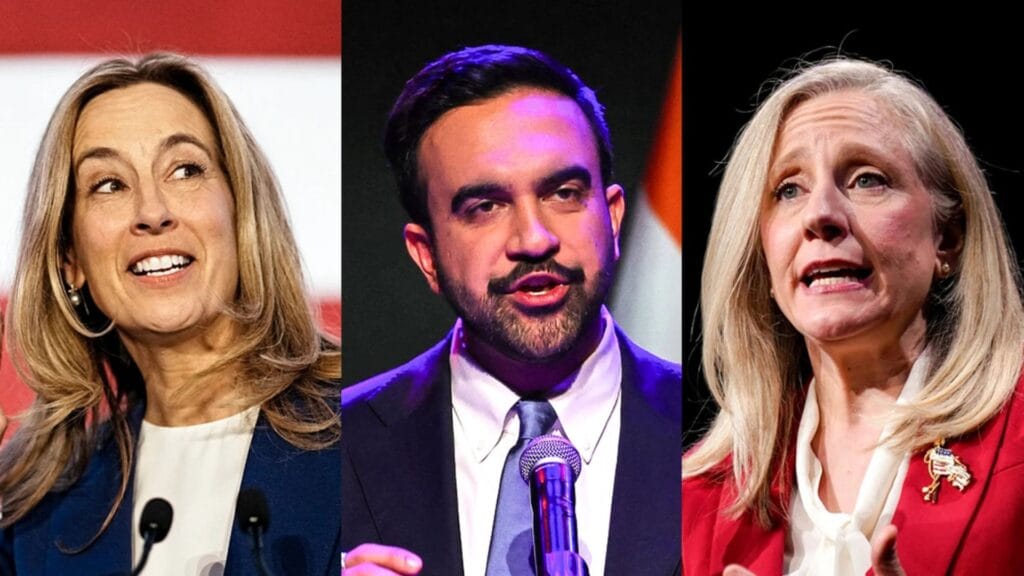
WASHINGTON, D.C. – Democrats are celebrating a decisive victory in the 2025 off-year elections, scoring critical wins across the country that have political analysts sounding the alarm for the Republican party and President Donald Trump ahead of the high-stakes 2026 midterms. The results, which saw Democrats claim major statewide and local offices and pass key ballot measures, are being widely interpreted as the first significant voter rebuke of the Trump administration since his return to the White House earlier this year. The Blue Wave: Key Victories The biggest headlines of the night came from a trifecta of crucial races: Virginia Governor’s Race: In a critical bellwether state, former U.S. Representative Abigail Spanberger (D) cruised to victory, defeating her Republican opponent by a double-digit margin to become Virginia’s first female governor. Her campaign, centered on economic issues and a message of “pragmatism over partisanship,” appears to have successfully pulled in suburban and independent voters. The Democrats also swept the state’s other statewide offices. New Jersey Governor’s Race: Democrat Mikie Sherrill (D), a former Navy pilot and Congresswoman, easily held the governorship for her party, overcoming a Republican challenge that had sought to capitalize on local economic anxieties. Sherrill strategically framed the race as a referendum on the Trump administration’s economic policies, which she argued were increasing the cost of living. New York City Mayoralty: In a massive upset, democratic socialist Zohran Mamdani (D) was elected mayor of America’s largest city. His victory, fueled by a grassroots movement and a platform focused on affordability, wealth redistribution, and an explicit anti-Trump message, signaled a massive surge of energy on the progressive left. Mamdani’s win has instantly made him a national figure and a symbol of the party’s ideological divide, with some national Democrats expressing concern that his far-left label could be exploited by Republicans in 2026. Beyond these major contests, Democrats also secured a crucial victory in California with the passage of Proposition 50. The measure allows the state legislature to temporarily redraw congressional maps, a direct response to GOP-led redistricting efforts in states like Texas. This move could potentially deliver the party up to five more U.S. House seats in the 2026 midterms, significantly boosting their chances of retaking control of the chamber.   Warning Signs for the GOP and President Trump The dominant performance by Democrats is shining a harsh light on potential vulnerabilities for the Republican party, particularly: The Economy is Top of Mind: Exit polls across the map, especially in Virginia and New Jersey, showed that economic concerns—namely, the rising cost of living, taxes, and jobs—were the number one issue for voters. Despite President Trump’s focus on cultural issues and a “Make America Great Again” platform, voters appeared to punish the party in power over pocketbook issues. The prolonged government shutdown, which was ongoing during the election, was also cited by analysts and outgoing Virginia Governor Glenn Youngkin as a major drag on the Republican ticket, especially in a state with a high population of federal employees. The Limit of the Trump Brand: While President Trump did not have his name on the ballot, his influence was a major component of the elections. Both Sherrill and the proponents of Prop 50 made their campaigns a direct rebuke of the administration. In his immediate reaction, President Trump attempted to distance himself from the losses, citing the government shutdown and the fact that he was not personally running as the reasons for the Republican defeat. However, his endorsement in New Jersey was not enough to save the GOP candidate. The Suburban Backslide: A key takeaway is the Democratic party’s strong performance in suburban areas, rural locales, and even among military-affiliated voters in states like New Jersey and Virginia. This suggests that the moderate, pragmatic approach championed by winners like Spanberger and Sherrill—focusing on public safety and economic stability while downplaying far-left progressive positions—may be the successful blueprint for challenging Republicans in 2026.   The Road to 2026: A Divided Democratic Message The 2025 results present a split message for the Democratic Party: The Pragmatic Path: The wins in the gubernatorial races of Virginia and New Jersey favor the party’s moderate wing, suggesting that a focus on kitchen-table issues and proven resumes (both Spanberger and Sherrill are former intelligence/military personnel) is the way to win swing elections. The Progressive Power: Zohran Mamdani’s commanding victory in New York City signals immense energy and enthusiasm on the progressive left. His ability to mobilize young, Asian, and Hispanic voters—groups that shifted toward Trump in the previous presidential election—shows the potential of a bold, socialist-inspired agenda in deep-blue urban centers. With the next midterm elections just a year away, the Democratic party will now have to navigate this ideological tension. Republicans, meanwhile, face the challenge of refining a national message to overcome voter concern about the economy and to effectively counter the Democratic opposition, which now has a significant boost of momentum and a new, more favorable electoral map in California.

Bihar Elections

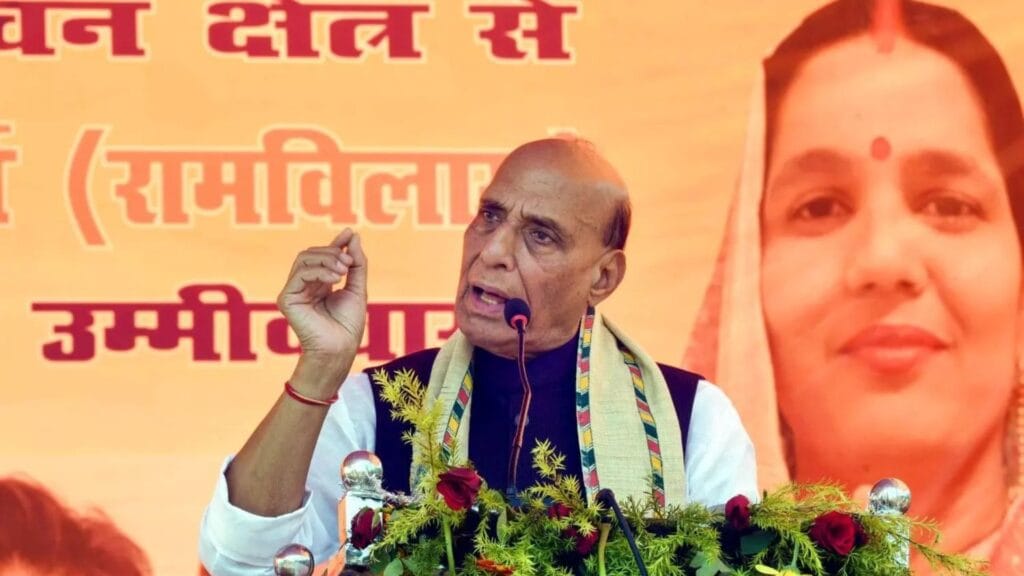
Poll Position: ‘Clear Wave in Favour of NDA,’ Claims Rajnath Singh, Predicting Two-Thirds Majority in Bihar 2025 Elections

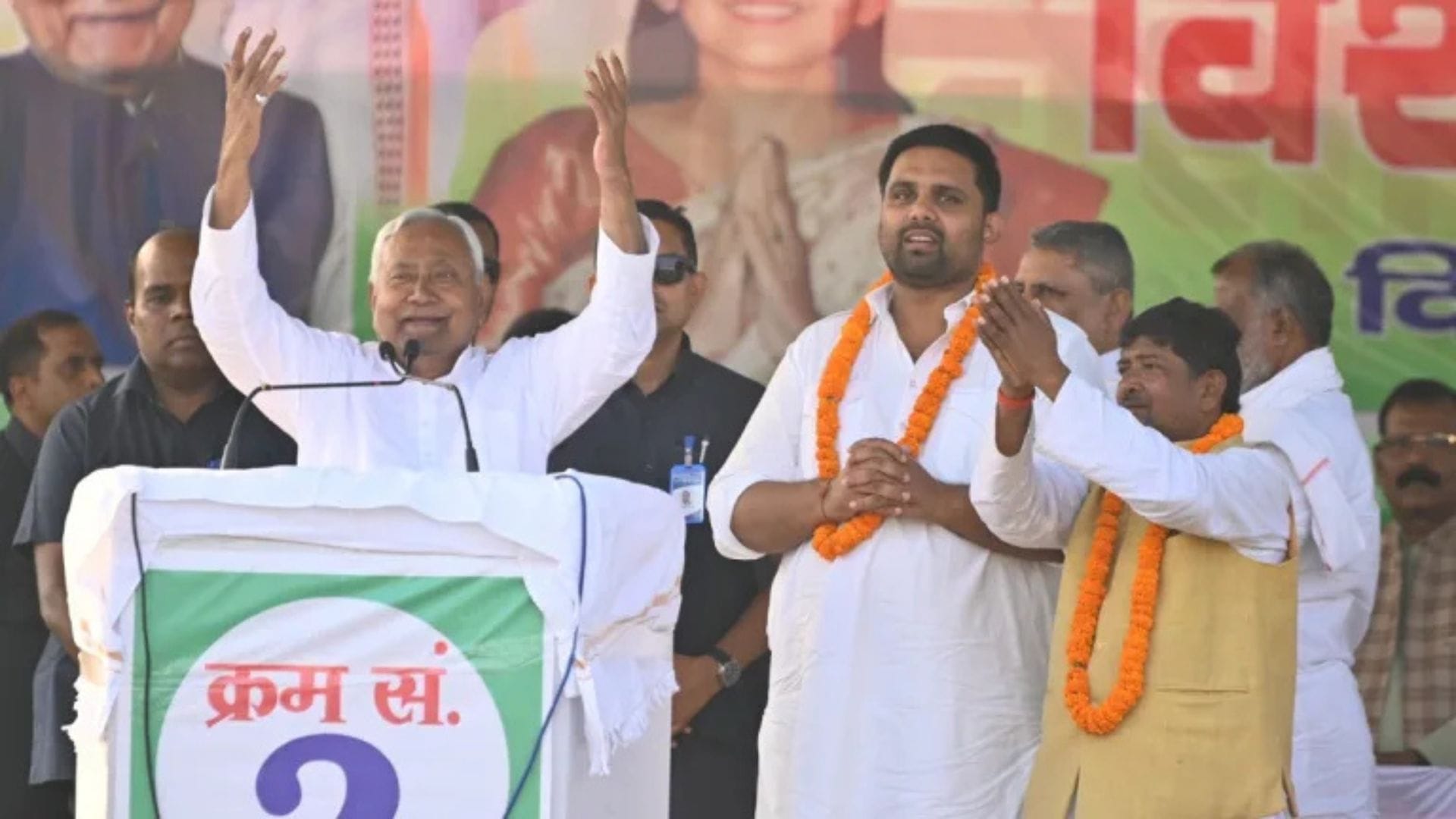
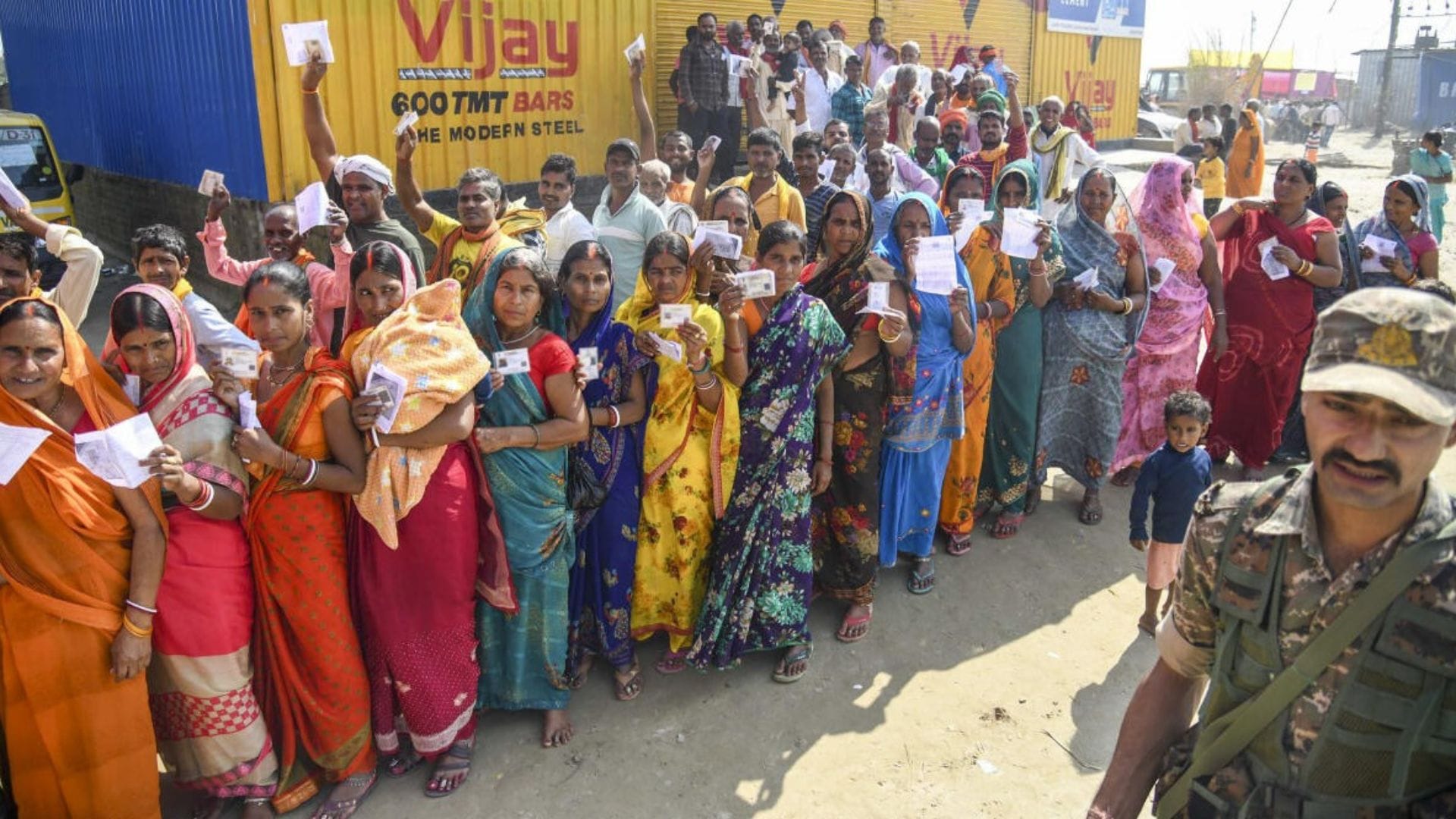
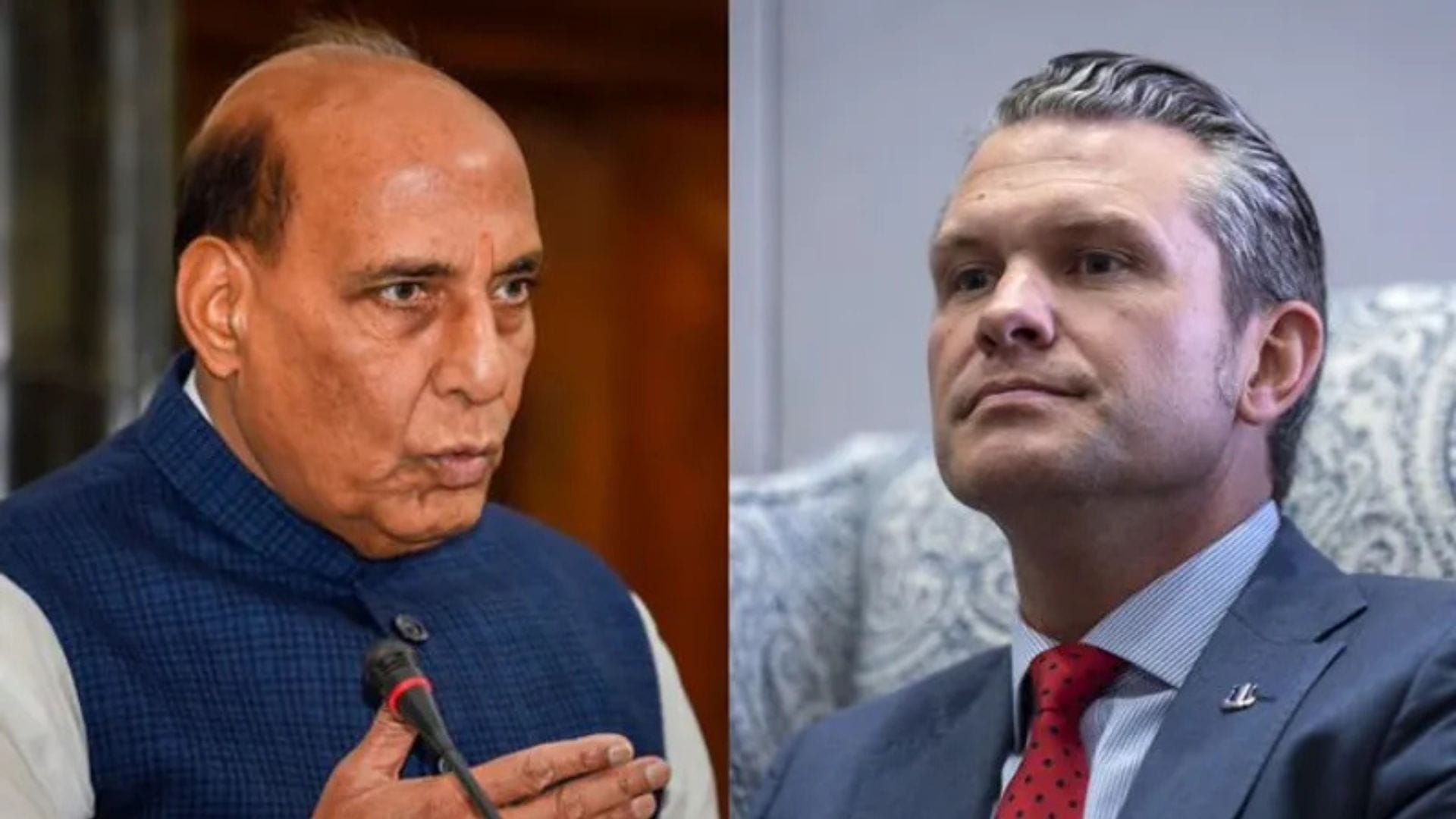
Patna, Bihar – With the crucial first phase of voting for the Bihar Assembly Elections 2025 just hours away, the political temperature has soared. In a major claim designed to galvanize the ruling coalition, Union Defence Minister and senior BJP leader Rajnath Singh asserted that the National Democratic Alliance (NDA) is set to sweep the polls, predicting a formidable victory with a two-thirds majority. Addressing a public rally, Singh expressed supreme confidence in the electoral mood of the state, attributing the projected win to the development work steered by Chief Minister Nitish Kumar and the central leadership of Prime Minister Narendra Modi. A ‘Clear Wave’ and a Promise of Stability “There is a clear wave in favour of the NDA ahead of the first phase of voting. We will form the next government with a two-thirds majority,” Singh declared, speaking in Banka. The Defence Minister’s strong assertion is part of the final push by the NDA, which includes the Bharatiya Janata Party, Janata Dal (United), Lok Janshakti Party (Ram Vilas), Hindustani Awam Morcha (Secular), and Rashtriya Lok Morcha. Singh highlighted two main pillars of the NDA’s campaign: development and clean governance. Praising Nitish Kumar: He pointed out, “There is not a single corruption case against Bihar CM Nitish Kumar,” crediting him with accelerating development over the last two decades. Targeting the Opposition: Singh launched a sharp attack on the opposition Mahagathbandhan, particularly the Rashtriya Janata Dal (RJD), alleging that the previous governments created a “crisis of trust” due to a constant “discrepancy between their words and actions.”7 He accused RJD leaders of having threatened people during their rule and failing to work for the state’s progress, a clear reference to the opposition’s campaign focusing on issues like “jungle raj.” Development Agenda and National Pride Singh tied the Bihar polls to the national context, emphasizing that the NDA would work for a ‘Viksit’ (Developed) Bihar. He stressed that the alliance does not discriminate based on caste, creed, or religion. Furthermore, he praised the central NDA government’s performance, stating that India has rapidly progressed to the world’s fourth-largest economy under PM Modi and is poised to climb to the third spot soon. The Two-Phase Battle The Bihar Assembly elections for the 243-seat legislative body are being held in two phases: Phase 1: Voting for 121 constituencies will take place on November 6. Phase 2: Voting for the remaining 122 constituencies will be conducted on November 11. Result Day: The counting of votes is scheduled for November 14. The main political contest is between the ruling NDA and the Mahagathbandhan, led by the RJD and also comprising the Congress, and several Left parties, including CPI (M-L), CPI, and CPM. While Rajnath Singh and other senior NDA leaders are projecting an overwhelming victory, the Mahagathbandhan’s leaders have countered with their own optimistic predictions, dismissing the two-thirds majority claim as “arrogance of power.” The actual results on November 14 will determine whether the alleged “NDA wave” has translated into a historic mandate.

India

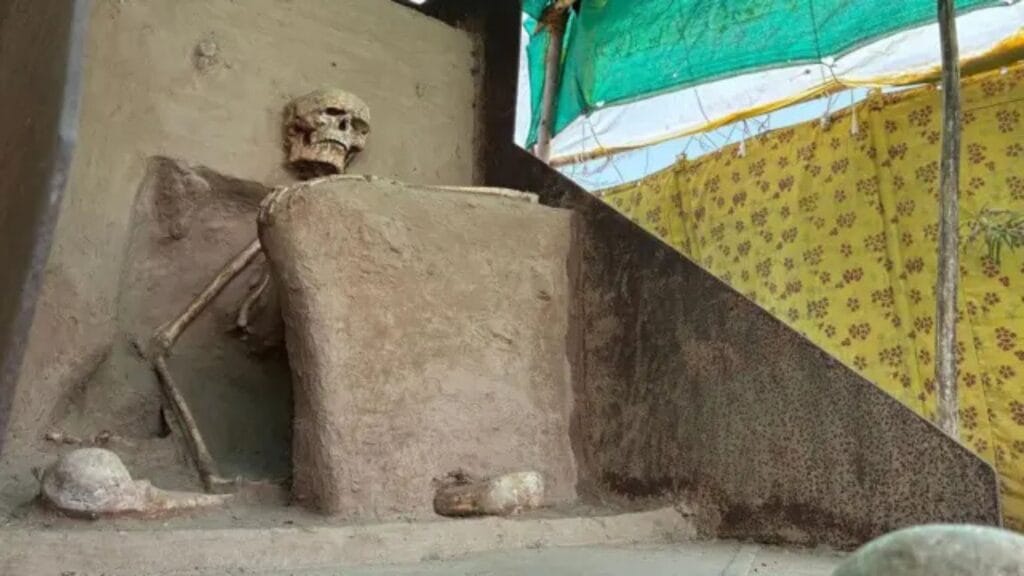
Chilling Discovery: ‘Missing’ Gujarat Man’s Skeleton Found Under Kitchen; Wife, Lover Detained in 18-Month-Old Case

Ahmedabad, Gujarat – In a shocking case reminiscent of a dark cinematic thriller, police in Ahmedabad have unearthed the skeletal remains of a man who had been missing for over a year, finding the body buried meticulously beneath the kitchen floor of his own home. The startling discovery has blown the lid off an 18-month-old disappearance case, leading to the detention of the deceased man’s wife and her alleged lover. The sensational murder plot, which some local media are already comparing to the plot of the popular Drishyam film franchise, has gripped the city, revealing a calculated attempt to conceal a homicide. The Grimmer Truth Under the Floorboards The victim, whose identity has been confirmed through investigation, was reported missing by his own family approximately a year and a half ago. For months, the case remained shrouded in mystery, with initial inquiries yielding few concrete leads. The breakthrough came recently when the Ahmedabad Crime Branch developed specific intelligence suggesting the man had not simply disappeared but had been murdered and his body hidden inside the very house he shared with his wife. Acting on the tip-off, a police team arrived at the residence and, after a focused search, began digging beneath the kitchen floor. The excavation revealed human skeletal remains, which were immediately sent for forensic analysis to confirm the identity and cause of death. The Conspiracy: Murder and Cover-Up The police investigation, which intensified following the macabre discovery, quickly zeroed in on the victim’s wife and a male acquaintance, her alleged lover. Interrogation of the suspects reportedly led to a confession that detailed the chilling sequence of events. Sources suggest the murder was a result of an illicit relationship between the man’s wife and her paramour. The duo allegedly conspired to eliminate the husband to be together, executing the murder and then going to extreme lengths to conceal the body within the house itself, meticulously cementing the kitchen floor over the grave to destroy all evidence. The audacity of living over the burial site of a murder victim for over a year highlights the sinister nature of the planning. The detention of the wife and her lover marks a significant breakthrough in the case, finally providing closure to the disappearance that had baffled investigators and tormented the victim’s family. Investigation Underway Police have officially detained the two main accused on charges of murder and criminal conspiracy. They are now working to determine the exact date and method of the murder, as well as whether any other individuals assisted the couple in planning the crime or disposing of the body. The case serves as a grim reminder of how deeply secrets can be buried and how tenacious police work and forensic science remain crucial in unravelling even the most meticulously planned crimes. The accused are expected to be formally arrested and produced before a magistrate soon as the police gather all necessary evidence to build a strong case.

Important News, India

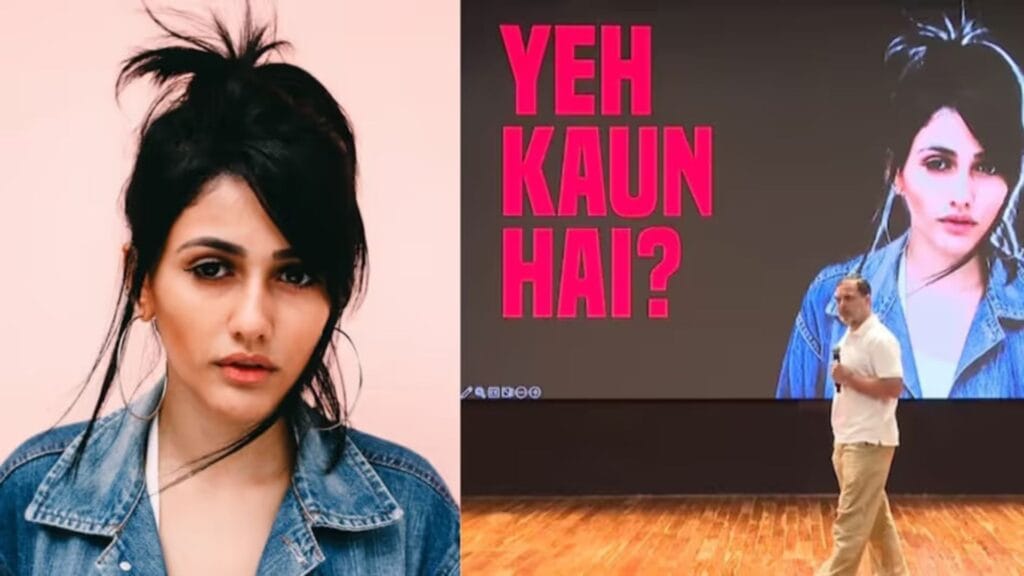
Rahul Gandhi Drops New ‘Hydrogen Bomb’: Brazilian Model’s Photo Used for 22 Voters in Haryana, Congress Alleges “Systematic Theft”

New Delhi: Leader of the Opposition Rahul Gandhi on Wednesday escalated his campaign against alleged electoral malpractice, launching what he termed “The H-Files” and dropping a political bombshell that he had earlier dubbed a “hydrogen bomb.”1 At the heart of his stunning allegations of systematic voter fraud in the recent Haryana Assembly elections was the revelation that a single stock photograph—allegedly of a Brazilian model—was used to register 22 different voters across 10 different polling booths in the state. Gandhi’s press conference presented granular data, claiming that the manipulation was a centralized operation designed to “convert a Congress landslide victory into a loss” in Haryana, where the party ultimately lost by a narrow margin.   The ‘Brazilian Model’ and The 25 Lakh Fake Voters Addressing the media, Rahul Gandhi displayed an entry from the Haryana electoral roll showing the photo of a young woman.4 “Who is this lady? What is her name? Where does she come from?” Gandhi questioned, before alleging, “She votes 22 times in Haryana, at 10 different booths, and has multiple names: Seema, Sweety, Saraswati, Rashmi, Vilma…5 But turns out she is actually a Brazilian model. The model’s image, he claimed, was a stock photograph linked to a Brazilian photographer, Matheus Ferrero, and widely available on platforms like Unsplash since 2017.7 Gandhi used this as stark evidence of a deliberate, centralized scheme to manipulate the electoral rolls. The Congress’s larger claims, based on their analysis of the electoral data, include: Total Alleged Fraudulent Voters: Over 25 lakh (2.5 million) manipulated entries in Haryana’s electoral roll of approximately two crore voters. Ratio of Fraud: Gandhi claimed that one in every eight voters (12.5%) in Haryana were fake. Categories of Fraud: The 25 lakh figure allegedly includes over 5 lakh duplicate voters, 93,000 voters with invalid addresses, and nearly 19.3 lakh voters registered in bulk at single addresses. “Operation Sarkar Chori” Gandhi dubbed the alleged manipulation “Operation Sarkar Chori” (Theft of Government), arguing that the narrow margin of the Congress defeat in the state was directly attributable to this calculated inflation of the voter list.12 He also pointed to alleged irregularities in postal ballots, claiming that the numbers differed significantly from the actual votes cast—a phenomenon he called a historical first for Haryana. Gandhi appealed directly to India’s youth, saying, “This is about your future. I am questioning the Election Commission and the democratic process in India with 100% proof.” He further alleged that the Election Commission possesses software capable of deleting duplicate entries and cleaning up the rolls but has deliberately chosen not to use it to aid the ruling party. The Political Fallout The allegations come at a crucial time, just a day before the first phase of the Bihar polls, suggesting a national strategy by the Congress party to question the integrity of the electoral process based on technological and systematic lapses in the voter database. While Congress provided a QR code that confirmed the photo was a widely used stock image, the identity of the model herself remains unverified. The BJP and the Election Commission are yet to issue a detailed official response to this latest ‘H-Files’ presentation. However, BJP leaders have previously rubbished similar accusations by Gandhi, suggesting the opposition leader’s claims lack factual merit and pointing out that the Congress had not filed any formal complaints against the electoral rolls in question.17 The gravity of the “hydrogen bomb” now rests on whether the Election Commission will order a full-scale forensic audit of the Haryana voter database.  

Bihar Elections

Job War in Bihar: NDA’s 1 Cr Promise Meets Mahagathbandhan’s Guarantee

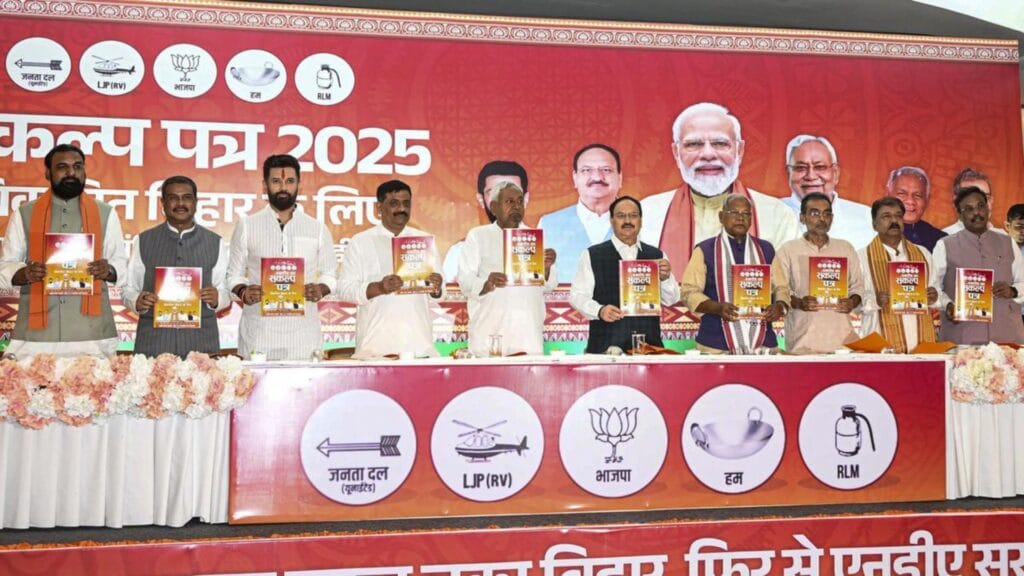
Patna, November 1: The Bihar election campaign saw major developments today as the National Democratic Alliance (NDA) released its ‘Sankalp Patra’ manifesto. Simultaneously, Mahagathbandhan leader Tejashwi Yadav escalated the political friction by publicly questioning the Election Commission’s silence regarding a recent murder in Mokama. The NDA’s manifesto launch event in Patna featured a unified front, including: BJP chief JP Nadda Chief Minister Nitish Kumar LJP (Ram Vilas) chief Chirag Paswan HAM(S) leader Jitan Ram Manjhi RLM chief Upendra Kushwaha The general election schedule remains as planned: Voting Dates: November 6 and 11 (Two Phases) Results: November 14 The electoral battle is set between the NDA (BJP, JD(U), LJP(RV), HAM(S), RLM) and the RJD-led Mahagathbandhan (Congress, CPI, CPI(M), CPI(ML), VIP), which has already released its job-focused manifesto, ‘Bihar Ka Tejashwi Pran’.  

India

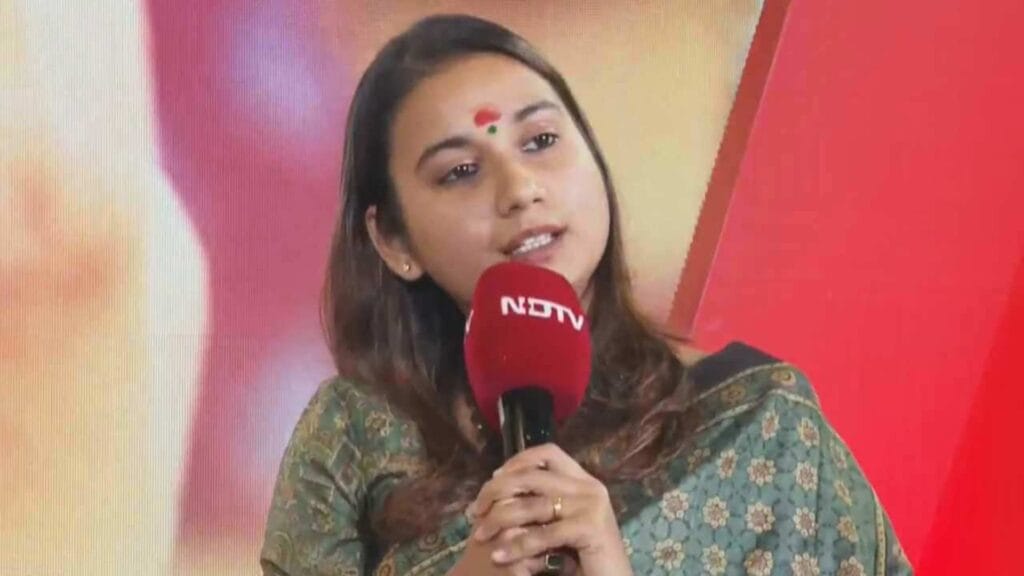
Chhath Is An Emotion, Not Drama’: LJP MP Sambhavi Choudhary Slams Rahul Gandhi Over Modi Remarks

PATNA/NEW DELHI, November 1, 2025 — The political discourse surrounding the Bihar elections took a sharp turn into cultural territory today, as Lok Janshakti Party (Ram Vilas) MP Sambhavi Choudhary issued a stinging rebuke to Congress leader Rahul Gandhi over his comments on Prime Minister Narendra Modi’s proposed involvement with Chhath Puja. Speaking at a political conclave, Choudhary asserted that Gandhi’s criticism was based on ignorance and disrespect for regional traditions. “Chhath is not just a festival for Bihar, it’s an emotion for Bihar. So, when you don’t know about a four-day festival, you shouldn’t comment on it,” Choudhary stated, directly addressing the Congress leader. The Core Controversy The LJP MP’s strong condemnation is a direct response to Rahul Gandhi’s recent allegation that Prime Minister Modi was orchestrating a “drama” by allegedly arranging for a superficial cleanup of the Yamuna River to stage a dip during the Chhath celebrations. Gandhi suggested the move was purely political theater intended to gain electoral advantage. Choudhary flatly rejected this characterization, emphasizing the sacred and cultural significance of the festival, especially in Bihar. Cultural Sensitivity: Choudhary questioned the advisory team surrounding the Congress leader, saying, “I don’t know who guides Gandhi but if he didn’t know about Chhath, he shouldn’t have spoken about it.” Political Disrespect: She argued that reducing a deeply sacred Hindu festival, celebrated across Bihar with immense devotion, to a political spectacle shows a profound lack of cultural sensitivity. Context in the Bihar Polls The verbal clash underscores the high-stakes political environment ahead of the Bihar Assembly elections, set to be held in two phases on November 6 and 11. As both the ruling NDA (which includes LJP-Ram Vilas) and the Opposition Mahagathbandhan seek to connect with the state’s massive electorate, cultural and religious issues are increasingly becoming battleground topics, influencing narratives around leadership credibility and local pride. Choudhary’s defense of PM Modi and the festival is seen as a move to protect the NDA’s standing among Bihari voters who observe the Chhath rituals with deep devotion.

Scroll to Top