










News Unwrapped

Thursday, January 15, 2026 12:24 PM
Hot News

Author name: Shakti Sharma

India, Important News

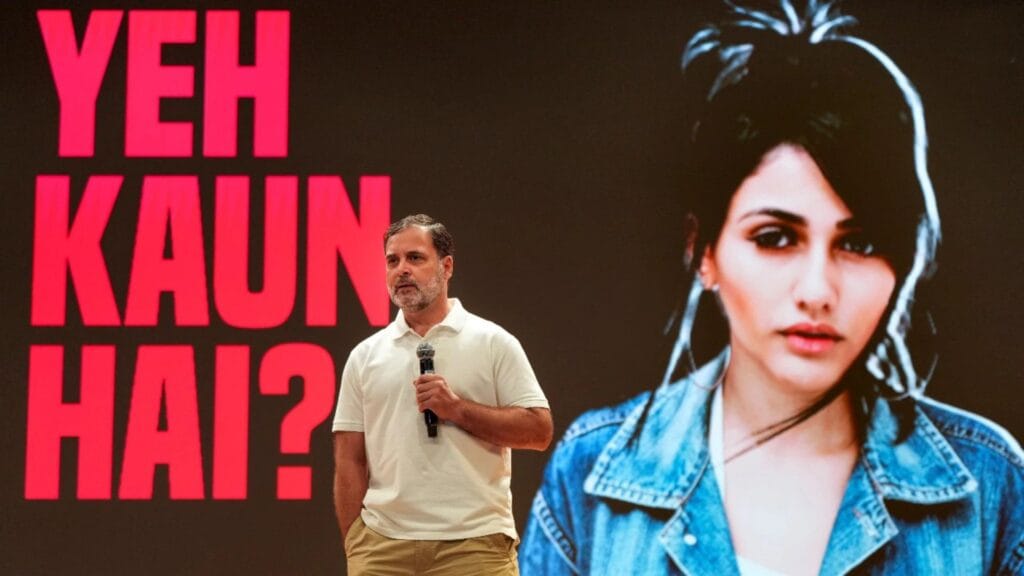
The Viral Voter: Rahul Gandhi Presser Puts Global Spotlight on Brazilian Woman, Igniting Electoral Fraud Debate

New Delhi,A routine Congress press conference on alleged electoral fraud in Haryana has suddenly become a global social media sensation, thanks to the unexpected involvement of a Brazilian woman whose photograph, a stock image, allegedly appeared on dozens of voter IDs in the state.1 Congress leader and Leader of the Opposition in the Lok Sabha, Rahul Gandhi, held a presser on Wednesday to unveil the “H-Files,” a dossier he claims proves large-scale “vote chori” (vote theft) in the recent Haryana Assembly elections.   The “Brazilian Model” Claim During the conference, Mr. Gandhi presented a section of the Haryana voter list showing the exact same woman’s face repeated multiple times under different Indian names, including ‘Seema,’ ‘Sweety,’ and ‘Saraswati,’ across various polling booths in the Rai constituency. Challenging reporters to guess the woman’s identity, Mr. Gandhi revealed that the image belonged to a Brazilian woman and was, in fact, a stock photograph misused on official electoral rolls.4 He claimed this was crystal-clear proof of a “centralised operation” to manipulate the voter database and alleged that nearly 25 lakh voters in the state were either fake or duplicated.   Internet Finds the Woman: Larissa Nery Reacts   The image immediately went viral, and the internet quickly identified the woman as Larissa Nery, a hairdresser and model from Belo Horizonte, Brazil.6 Within hours, a video of Nery reacting to the bizarre controversy began circulating widely on Indian social media platforms. In the video, Nery expresses shock and amusement: “Guys, I’m gonna tell you a joke — it’s too horrible! They’re using an old picture of me for elections in India, showing me as Indian. What a mess! I couldn’t believe it when a friend sent me the photo again.” Nery clarified that the image was an old stock photo from a photoshoot years ago, and she was completely unaware of its use in Indian politics.10 She also confirmed that she has never visited India.1 The Bigger Controversy   While the revelation of a foreign stock image being used on Indian voter rolls has sparked a meme frenzy, the core political issue remains serious. Congress Allegations: The Congress party maintains that the use of a stock image, which is easily available online, on multiple voter IDs points to an organized, top-down conspiracy to inject fake or duplicate votes into the system. Mr. Gandhi asserted that this mechanism was instrumental in converting a predicted Congress landslide into a loss.   Election Commission Response: The Election Commission of India has been questioned over the integrity of its data and the process of updating voter photographs. The Election Commission is yet to formally address the specific allegation of the Brazilian stock image. Local Voters Speak Out: Separately, media reports have tracked down some of the local voters whose names were attached to the viral photograph. Some women denied the allegations of fraud, claiming they had voted personally, and attributing the photo on their ID cards to a “printing error” or a long-standing photo misprint from a data entry operator. The political clash over the integrity of the voting process, backed by the unexpected testimony of a bewildered Brazilian woman, has ensured the debate over the “H-Files” remains at the forefront of the national political discourse. Watch the Brazilian Woman’s Response to the Controversy here: Brazilian Model Responds To Her Viral Picture During Rahul Gandhi’s ‘Vote Chori’ Press Conference This video provides the reaction of the Brazilian woman whose photograph was at the center of Rahul Gandhi’s press conference regarding the alleged voter fraud.  

India

The Tracks Are Clear: Supreme Court Orders Immediate Removal of Stray Dogs and Cattle from Railway Stations, Public Places, and Highways

New Delhi, In a significant order aimed at enhancing public safety and addressing the nationwide menace of stray animals, the Supreme Court of India has issued stringent directives for the immediate removal of stray dogs and cattle from key public infrastructure, including railway stations, bus stands, hospitals, educational institutions, and all national and state highways. The three-judge special bench, comprising Justices Vikram Nath, Sandeep Mehta, and N. V. Anjaria, passed the sweeping directions after noting the “alarming rise” in dog bite incidents, particularly in institutional areas, and the fatal accidents caused by stray cattle on high-speed expressways.   Key Directives: Clearing Institutional Areas and Transport Hubs   The Supreme Court’s order, delivered as part of an ongoing suo motu (on its own motion) case concerning stray dog management, focuses on insulating specific high-traffic, sensitive zones from the threat posed by strays. 1. Railway Stations and Public Premises: Immediate Removal and Relocation: All stray dogs must be forthwith removed from the premises of government and private educational institutions, hospitals, public sports complexes, bus stands, depots, and railway stations. No Release Back: Crucially, the court has directed that the dogs so picked up shall not be released back to the same location from which they were picked up. They must be relocated to a designated shelter after due sterilization and vaccination, as per the Animal Birth Control (ABC) Rules, 2023. Securing Premises: Administrative heads of these institutions must ensure the premises are secured with adequate fencing, boundary walls, and gates to prevent the ingress of stray dogs. This exercise must be completed within eight weeks. Nodal Officers and Inspection: Every institution must designate a nodal officer responsible for ensuring strays do not enter the campus. Local municipal authorities and Panchayats are mandated to carry out regular inspections at least once every three months.   Zero Tolerance for Strays on Highways   The court also moved decisively to tackle the danger posed by stray cattle and other animals on the country’s road network, affirming earlier directions of the Rajasthan High Court. 2. Highways and Expressways: Mandatory Removal of Cattle: Authorities, including the National Highways Authority of India (NHAI), must ensure the immediate removal of all cattle and other stray animals from national highways, state highways, and national expressways. Joint Coordinated Drive: A joint, coordinated drive must be undertaken to identify stretches where stray cattle are frequently found. Helpline Numbers and Patrols: All major highways must prominently display helpline numbers at regular intervals for commuters to promptly report the presence of stray animals or accidents caused by them. Dedicated highway patrol teams are to be constituted for continuous surveillance and immediate response. Shelter and Care: Removed animals must be kept in appropriate cattle pounds or shelters and provided with necessary food, water, and veterinary care in accordance with the law.   Accountability and Compliance   The Supreme Court has placed the responsibility for strict enforcement squarely on the highest authorities. Chief Secretaries Responsible: The Chief Secretaries of all States and Union Territories have been directed to ensure strict compliance with the order. Personal Accountability: The court explicitly warned that any “lethargy in this regard shall be viewed seriously,” and the concerned officers will be held personally accountable for non-compliance. Status Reports: States and UTs must file comprehensive status compliance reports detailing the remedial mechanisms within eight weeks before the matter is taken up for further hearing on January 13, 2026. This directive marks a major judicial push for public health and safety, signaling a shift toward more centralized and immediate action to manage the stray animal population in sensitive public areas across India.

India

A Historic Sin’: BJP Accuses Nehru of Removing Maa Durga Stanzas from Vande Mataram in 1937

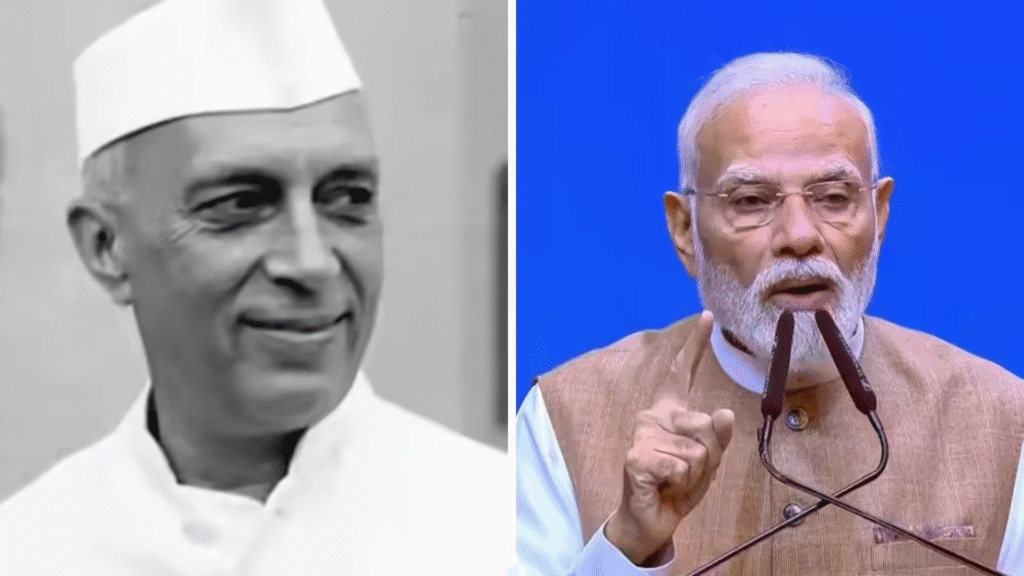
New Delhi: On the occasion of the nationwide commemoration of the 150th anniversary of Vande Mataram, the national song has become the center of a fresh political controversy. The Bharatiya Janata Party (BJP) has launched a significant historical charge, accusing India’s first Prime Minister, Jawaharlal Nehru, of committing a “historic sin” by deliberately truncating the song in 1937, specifically removing stanzas that hailed Goddess Maa Durga.   The Core Allegation: Truncating the National Song   The charge, led by BJP spokespersons and echoed by Prime Minister Narendra Modi, is focused on the decision taken by the Congress Working Committee (CWC) in 1937. The Claim: BJP asserts that the Congress, under the presidency of Nehru, adopted only the first two stanzas of Bankim Chandra Chatterjee’s original six-stanza composition, omitting the later verses that contained direct devotional references to Hindu deities like Durga, Lakshmi, and Saraswathi. The Motive Cited: According to the BJP, this action was driven by a “communal agenda” to appease certain sensitivities, primarily the concerns raised by sections of the Muslim League who viewed the song’s strong idol-worshipping imagery as exclusionary. Historical Evidence: BJP leaders have cited historical documents, including letters written by Nehru to Netaji Subhas Chandra Bose in 1937, where Nehru reportedly stated that the full song’s background was “likely to irritate Muslims” and opined that the song was “not suitable as a national song.” Prime Minister Narendra Modi, while inaugurating the year-long commemoration, weighed in on the issue, stating that the decision to drop the important stanzas in 1937 “not only broke the song into pieces but also sowed the seeds of partition.”   The 1937 Context: The Congress Resolution   Vande Mataram, penned by Bankim Chandra Chatterjee in the 1870s and published in his novel Anandamath in 1882, became the rallying cry of the Indian freedom movement. It was first sung in an Indian National Congress session by Rabindranath Tagore in 1896. The 1937 decision by the CWC followed protests from the Muslim League, especially in provinces where Congress formed governments, over the singing of the full song. The Resolution: The Congress officially adopted only the first two stanzas as the national song, arguing that these initial verses—which depict the motherland in geographical and non-deity-specific terms—were unobjectionable to any community. The later stanzas, which explicitly deified the nation as a manifestation of Goddess Durga, were the ones removed from the Congress’s official public recital. Role of Intellectuals: Historical accounts suggest the CWC resolution was influenced by advice sought from various quarters, including Rabindranath Tagore, who reportedly found the later stanzas, while harmless, potentially objectionable to those who believed in monotheism.   Congress Hits Back: ‘Proud Flagbearer’   The Congress party has swiftly rejected the BJP’s charges, labeling them a “distortion of history.” Congress President Mallikarjun Kharge asserted that the party has always been the “proud flagbearer” of Vande Mataram, which “awakened the collective soul of the nation.” Congress leaders pointed out that the 1937 decision was an attempt to maintain unity across religious lines during the freedom struggle. Senior Congress leader Jairam Ramesh cited historical accounts, noting that the decision was a crucial step taken to define the song’s place in public life and highlighted that the full song was one of the central symbols of the freedom movement that the Congress championed. The political exchange ensures that as India celebrates 150 years of its powerful national song, the debate over its history, original form, and symbolism will remain intensely political.

Global

Global News Roundup: Crypto Payroll Adoption Around the World

From Speculation to Salary: Why 25% of Businesses Are Now Paying in Crypto   In a shift that marks a major inflection point for digital assets, cryptocurrency has officially moved from a niche investment class to a critical piece of global financial infrastructure. The most recent data confirms that crypto payroll has reached a critical mass, with one in four companies worldwide now utilizing digital assets to compensate employees and contractors. This rapid adoption, which saw individual crypto payroll surge from just 3% in 2023, is being driven by a powerful combination of economic necessity, generational demand, and technological efficiency.   The Global Hotspots: Where Crypto Salaries Are Thriving Adoption is not uniform across the globe; it is being shaped by regional economic pressures and regulatory environments. The narrative is splitting into two distinct themes: the Inflation Hedge in emerging markets and the Talent Magnet in developed nations. Country/Region Primary Driver Key Trend/Status Argentina, Turkey, Brazil Inflation Hedge & Stability High inflation rates are pushing demand for stablecoins (USDC, USDT) to protect purchasing power, leading to a rising number of companies offering crypto salary options. India, Nigeria, Vietnam Financial Inclusion & Remittances Massive grassroots adoption, particularly among freelancers and remote workers, who use crypto to avoid high bank transfer fees and cross-border delays. United States, Canada, Germany Talent Magnet & Efficiency Driven by the tech and Web3 industries, companies are using crypto options to attract a young, tech-savvy workforce, with 75% of Gen Z workers reportedly preferring stablecoins as part of their pay. El Salvador Regulatory Pioneer Remains a global outlier after making Bitcoin legal tender, with a high percentage of local businesses accepting BTC for payments, setting a benchmark for national integration. The Core Drivers: Speed and Cost Savings For businesses operating globally, the efficiency gains of crypto payroll are too significant to ignore: Dramatic Cost Reduction: Companies are reporting cost reductions of up to 95% on international payroll. Traditional cross-border wires often involve fees of 6% or more; crypto payments through stablecoins can drop the cost to a few dollars per transaction. Near-Instant Settlement: Payroll settlement times, which used to take 3-5 business days across international banking rails, are now being completed in under 2 minutes. This 24/7 processing eliminates waiting periods over weekends or holidays. This combination of speed and cost reduction makes crypto a strategic business tool, not just a financial novelty, for managing a decentralized, global workforce. Powering the Shift: The Rise of the Crypto Payroll Stack The mass adoption is made possible by a new ecosystem of specialized platforms that handle the complexity of compliance and conversion. The Dominance of Stablecoins: Unlike the volatility associated with assets like Bitcoin or Ethereum, stablecoins (pegged 1:1 to a fiat currency like the US Dollar) are the engine of crypto payroll. They allow businesses to leverage the speed and low cost of blockchain technology while maintaining the stability required for predictable salary payments. In the first half of 2025 alone, stablecoins processed an astonishing $8.9 trillion in value. The Tech Enablers: A growing list of HR and payroll innovators are now offering robust solutions: Deel, Papaya Global, and Gloroots are leveraging their global Employer of Record (EOR) infrastructure to offer compliant crypto payouts via integrations with exchanges like Coinbase. Toku and Bitwage specialize in crypto-native compliance, managing everything from tax withholding to legal classification for employees and contractors across more than 100 jurisdictions. Furthermore, major Web3 companies like Coinbase, Kraken, and ConsenSys have long offered employees the option to be paid entirely or partially in digital assets, cementing the practice within the tech industry. The Outlook: The Future is Hybrid As regulatory clarity continues to improve in major markets like the U.S. and the EU, the trend toward hybrid compensation models is expected to accelerate. The typical modern paycheck is evolving to include: 50-80% in traditional fiat currency (USD, EUR, etc.) 20-50% in stablecoins (USDC, USDT) for flexibility and investment. Crypto payroll is no longer a fringe benefit for blockchain employees; it is becoming a standard feature of global commerce, redefining how, when, and where the world gets paid.

Global, Information Technology

IATA Global Passenger Survey 2025: Mobile-First and Biometric Travel Becomes the Passenger Expectation

The future of air travel is digital, seamless, and increasingly contactless. That is the clear message from the International Air Transport Association (IATA), which released the results of its 2025 Global Passenger Survey (GPS). The survey, which captures the sentiments of over 10,000 travelers across 200 countries, highlights two dominant trends redefining the passenger experience: the ubiquitous rise of mobile reliance and the accelerating adoption of biometric technology. “Passengers want to manage their travel the same way they manage many other aspects of their lives—on their smartphones and using digital ID,” said Nick Careen, IATA’s Senior Vice President of Operations, Safety and Security. 1. Mobile Reliance is Now the New Normal The smartphone is no longer just a communication device; it is the essential travel companion. The survey shows that more travelers than ever are managing every stage of their journey using their mobile devices, from initial booking to baggage claim. Key Mobile Trends: Direct-to-Airline Preference: Over half of travelers (54%) now prefer to deal directly with airlines, and they are increasingly doing so through mobile apps. Shift in Booking Channels: While airline websites remain the most popular booking choice at 31%, this figure is down from 37% in 2024. Conversely, the preference for mobile apps is trending upwards, a shift driven predominantly by younger travelers. Digital Wallet Dominance: Payment preferences are evolving rapidly. While credit and debit cards remain dominant (72%), the use of digital wallets has seen a significant jump, rising from 20% in 2024 to 28% in 2025. The All-in-One Digital ID: Passengers overwhelmingly want their smartphones to do more. A staggering 78% of passengers want to use a single smartphone solution that combines a digital wallet, a digital passport, and loyalty cards to book, pay, and navigate airport processes. 2. Biometric Adoption Accelerates with High Satisfaction The use of biometrics is expanding rapidly across airport checkpoints, and passengers are welcoming the change, prioritizing speed and convenience over traditional paper-based processes. Key Biometric Trends: Widespread Usage: Half of all passengers (50%) have now used biometrics at some point in their airport journey, up from 46% in 2024. This usage has increased by nearly 20 percentage points since 2022. Highest Satisfaction: Passengers who have used biometrics report high levels of satisfaction, with 85% saying they are happy with the experience. Willingness to Share Data: A strong majority, 74% of travelers, stated they would be willing to share their biometric information if it means they can skip showing a passport or boarding pass at checkpoints like check-in, security, border control, and boarding. Privacy Caveat: While the convenience is clear, privacy remains a key concern. However, there is a path to greater trust: 42% of passengers currently unwilling to share their biometric info said they would reconsider if data privacy was explicitly assured. IATA’s One ID initiative is the foundation for this transformation, aiming to allow passengers to use a single digital identity for all airport touchpoints. The Road Ahead: Seamless, Secure, and Digital The 2025 GPS survey signals a clear mandate for the aviation industry: invest in technology that reduces friction and provides a secure, streamlined experience. For this fully digital, border-to-border travel experience to become common practice, IATA emphasizes that governments must play a vital role by issuing digital passports and enabling their secure, standardized recognition across international borders. As the air travel industry moves toward a future where paper travel documents are obsolete, maintaining passenger trust through stringent cybersecurity and data protection measures will be paramount. The digital future of travel is here, and passengers are ready to embrace it.

Infrastructure & Development

A Digital Leap: Adani Adopts Autodesk Cloud to Transform Global Infrastructure Projects

In a move set to redefine the landscape of global infrastructure development, the Adani Group has announced a three-year strategic partnership with design and make platform leader Autodesk. This major alliance will see the deployment of the Autodesk Construction Cloud (ACC) and expert Building Information Modeling (BIM) advisory services across the Adani Group’s extensive portfolio, aiming to create a digitally connected, sustainable, and future-ready infrastructure ecosystem. Unifying Data and Driving Efficiency The core objective of the partnership is to enhance efficiency, visibility, and collaboration by establishing a ‘single source of truth’ for project data across the Adani Group’s operations, both in India and overseas. By leveraging Autodesk’s end-to-end design and make solutions, Adani will unify information across its diverse business units, including ports, energy, logistics, and urban development. This digital integration is crucial for managing large-scale, complex infrastructure projects where data silos often lead to delays and inefficiencies. “Seamless collaboration and connected data are critical to executing complex infrastructure projects at scale,” said K.S. Rao, CEO, Adani Infra India Ltd. “By partnering with Autodesk, we are harnessing world-class technology to unify teams, enhance project visibility, and accelerate decision-making across our diverse business units. This partnership strengthens our ability to deliver sustainable, high-quality infrastructure efficiently, setting a new benchmark for design-led innovation across the Adani ecosystem.” The Power of BIM and the ‘Parivartaan’ Vision The strategic adoption of Autodesk Construction Cloud is central to the Adani Group’s flagship digital transformation initiative, “Parivartaan.” This program is designed to digitalize the entire project lifecycle, from conception and design through execution and operation. A key component of this overhaul is the extensive deployment of Building Information Modeling (BIM). BIM is a process that involves creating and managing digital representations of physical and functional characteristics of places, enabling improved planning, design, construction, and management of infrastructure assets. Beyond efficiency, the collaboration is focused on driving innovation in: AI and Automation: Utilizing digital tools to foster smarter, automated construction methodologies. Sustainability-led Project Delivery: Integrating sustainable practices from the design phase to minimize environmental impact. Building Capabilities for the Future The partnership extends beyond mere software licensing. It includes a comprehensive roadmap for capability building and process standardization, ensuring the digital transformation is deeply embedded across the organization. Key initiatives include: Process Standardization across diverse business units. BIM Capability Building for employees and partners. Partner Enablement Programs and Leadership Workshops. Upskilling Initiatives to equip the workforce with the necessary digital skills. Kamolika Gupta Peres, Vice President, India & SAARC, Autodesk, highlighted the broader significance of the alliance: “The Viksit Bharat 2047 vision is about designing and making a better future for India and that’s exactly what this partnership with Adani group represents. Together, we’re leveraging Autodesk’s Design and Make Platform to power a digital ecosystem that drives smarter, more sustainable growth—setting new benchmarks for how India designs and builds to serve the needs of today and the future.” The Adani-Autodesk partnership is poised to be a blueprint for large-scale digital construction in India, accelerating the nation’s journey towards building more resilient, efficient, and sustainable infrastructure.

Infrastructure & Development

3 Multibagger Contenders Gearing Up for India’s Next Infra Wave

The ₹11.21 Lakh Crore Opportunity: Why Now is the Time for India’s Infrastructure Suppliers India is on the cusp of an unprecedented infrastructure boom. With the government’s capital expenditure (capex) allocation hitting an all-time high of ₹11.21 lakh crore for FY 2025-26 and mega-projects like the PM Gati Shakti National Master Plan driving multi-modal connectivity, the foundation is being laid for a decade of robust growth. While large Engineering, Procurement, and Construction (EPC) companies hog the spotlight, the real multibagger potential often lies in the specialized equipment manufacturers and component suppliers—the companies that are crucial to every road, bridge, and metro line being built. Here are three companies, each a leader in its niche, that are perfectly positioned to capture India’s next infrastructure wave. Contender 1: BEML (Bharat Earth Movers Limited) BEML is a public sector giant undergoing a massive transition that is expected to re-rate its business. While historically a major player in mining and construction equipment, its future growth engine is increasingly pivoting towards the strategic sectors of Defence, Rail, and Metro. Growth Driver: The government’s relentless push for Aatmanirbhar Bharat (self-reliance) in Defence, Rail, and Metro is BEML’s primary tailwind. Strategic Shift: The company is aggressively expanding its Rail and Metro segment, which is set to rise significantly as a percentage of its total business. It is investing heavily—including an estimated ₹18 billion—to achieve an annual manufacturing capacity of 800 metro coaches. This massive capacity expansion is in anticipation of a huge order inflow from new and expanding metro projects across the country. Key Segment: The Defence and Aerospace segment is also poised for strong expansion due to reduced import dependency, securing BEML a pipeline of steady, high-value orders. Contender 2: Action Construction Equipment (ACE) ACE is a diversified construction equipment manufacturer that is practically synonymous with India’s material handling sector. It holds the title of the world’s largest Pick & Carry Crane manufacturer, commanding a market share of over 63% in the Mobile and Tower Crane segments in India. Growth Driver: ACE is a direct beneficiary of two major national themes: the infrastructure push and the “Make in India” and “China+1” strategies driving the Manufacturing & Logistics sectors. Diversified Portfolio: Its exposure is strategically split across Manufacturing & Logistics (45%), Infrastructure (35%), and Real Estate (13%). The company is poised to capitalize on the estimated $10 billion investment expected in the warehousing and logistics sector over the next 4-5 years. Market Position: With a broad product portfolio encompassing cranes, material handling, and construction equipment, ACE is a diversified play on the broader economic expansion, not just government capex. Contender 3: Ajax Engineering Ajax Engineering is a specialized player with an unshakeable market leadership in a critical piece of the construction puzzle: concrete equipment. The company is the undisputed leader in the Self-Loading Concrete Mixer (SLCM) segment in India, boasting a formidable 75% market share by volume. Growth Driver: Ajax is positioned to benefit from the general acceleration of all construction activities. As infrastructure projects (roads, housing, and commercial) move from planning to execution on the ground, the demand for concrete application equipment—from production to placement—surges. Core Strength: Its market dominance in SLCMs provides a high barrier to entry and strong brand recall. The company offers services across the entire concrete application value chain, ensuring it captures value at every stage of a project. Future Outlook: Despite near-term demand fluctuations, the medium-term outlook for equipment makers like Ajax remains highly encouraging. Their capacity expansion plans, coupled with an export push, are on track to support the robust growth expected from FY26 onwards as project momentum gathers pace. The Road Ahead India’s commitment to building world-class infrastructure is non-negotiable, offering a long-term structural tailwind for the entire ecosystem. While the short-term market may see subdued demand, companies like BEML, ACE, and Ajax Engineering, with their market leadership and strategic alignment with key government and industrial themes, are best positioned to deliver superior growth and potentially multibagger returns in the coming years.  

Infrastructure & Development

₹113 Crore Boost for Andhra Pradesh’s Tribal Education: Minister Sandhya Rani Announces Major Infrastructure Overhaul

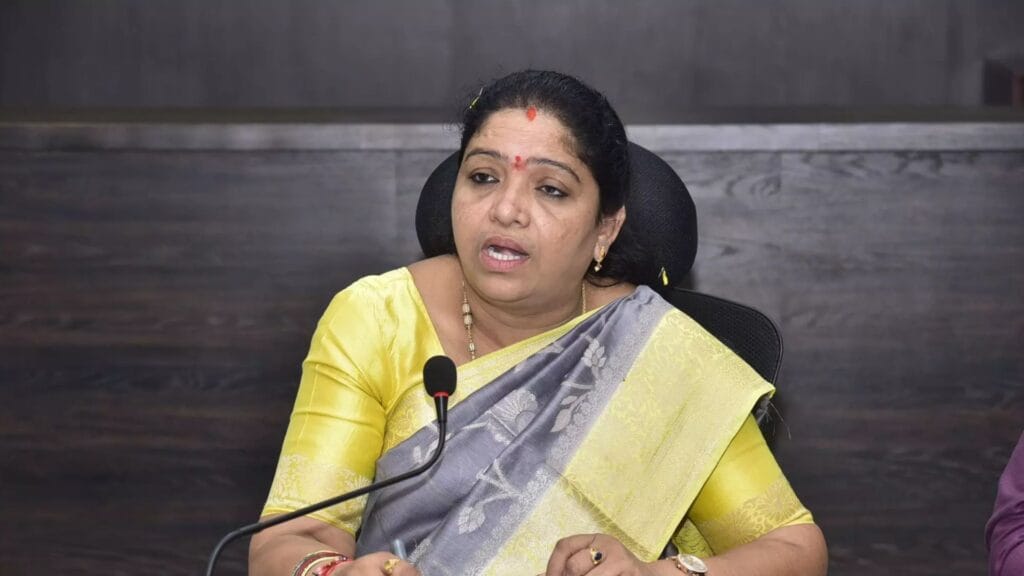
VIJAYAWADA: In a significant move aimed at uplifting the standards of education for tribal students, Andhra Pradesh Minister for Women and Child Development and Tribal Welfare, Gummadi Sandhya Rani, announced that the state government has sanctioned ₹113 crore for the comprehensive improvement of infrastructure in tribal schools. The announcement underscores the government’s commitment to ensuring quality education and essential amenities reach students in the most remote areas of the state. Bridging the Infrastructure Gap in 757 Schools Minister Sandhya Rani stated that the massive fund will be utilized across 757 tribal schools located within the jurisdiction of the nine Integrated Tribal Development Agencies (ITDAs). The allocation is strategically divided to target different categories of residential schools: ₹83 crore has been earmarked for 558 tribal ashram schools. ₹30 crore will be channeled into 199 Gurukulam residential schools. The primary focus of this investment is to strengthen basic amenities and create a conducive learning environment for the students. Key facilities that will be upgraded or installed include: Purified Drinking Water: Installation of RO water plants in every school. Sanitation: Construction and renovation of clean washrooms. Work is already underway on 2,012 new toilets through the Swachh Andhra Corporation. Communication: Following a directive from the Chief Minister, prepaid and coin-operated telephones are being installed in all hostels, ensuring students can communicate with their parents daily. Focus on Quality and Human Resources Beyond physical infrastructure, the Minister highlighted that the government has also addressed the crucial need for human resources in these institutions: Adequate Staff: The recruitment of over 16,000 teachers through the District Selection Committee (DSC) has ensured that all tribal schools are now fully equipped with teaching staff. Contract Teacher Retention: The services of 1,100 existing contract teachers are being continued, ensuring no disruption to education.   Uplifting Higher Education and Welfare The Minister detailed several other welfare measures introduced to provide a holistic support system for the tribal community: Free Entrance Coaching: 150 meritorious tribal students are receiving free, intensive coaching for prestigious entrance exams like IIT, NIT, and NEET at specialized centers in Parvathipuram and Seethampeta, with plans to open another center in Visakhapatnam. Anganwadi Upgrades: Over 5,000 mini-Anganwadis have been upgraded to main Anganwadi centers, each now staffed with a teacher and an ayah (assistant). Economic Support: Funds have been sanctioned for cattle distribution (₹24 crore) and new loans through the Tribal Cooperative Finance Corporation (TRICOR) (₹20 crore) to support tribal livelihoods. Land Rights: Efforts are being expedited to distribute land titles to tribal communities engaged in podu (shifting) cultivation under the Forest Rights Act, 2006. It is worth noting that this latest sanction comes on the heels of ₹155 crore already spent on tribal school infrastructure development last year, solidifying the government’s sustained push for educational reform in tribal areas.

Bihar Elections

Bihar Assembly Election 2025 Live Updates: NDA wants to form govt in Bihar through ‘vote chori’, says Priyanka Gandhi

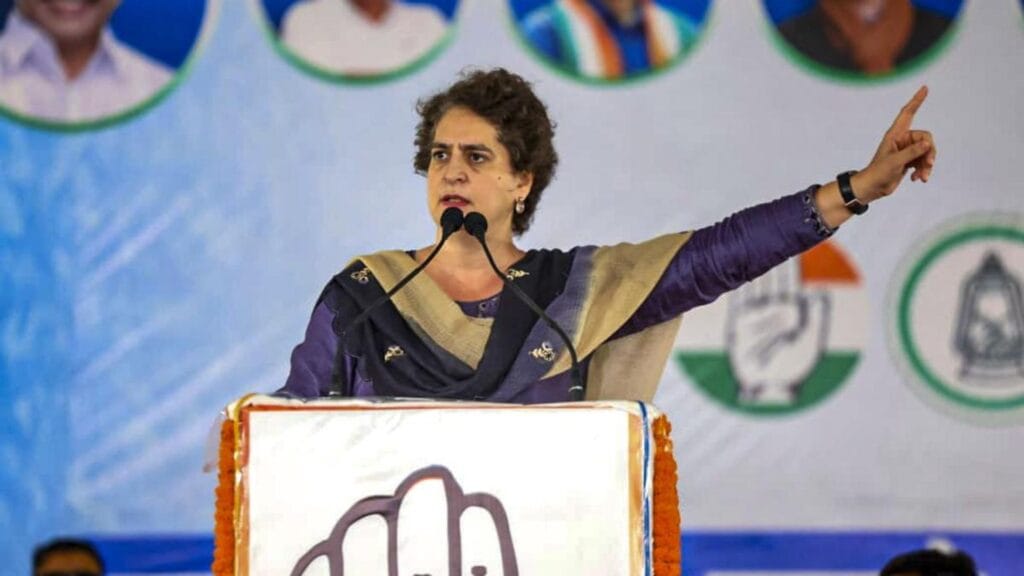
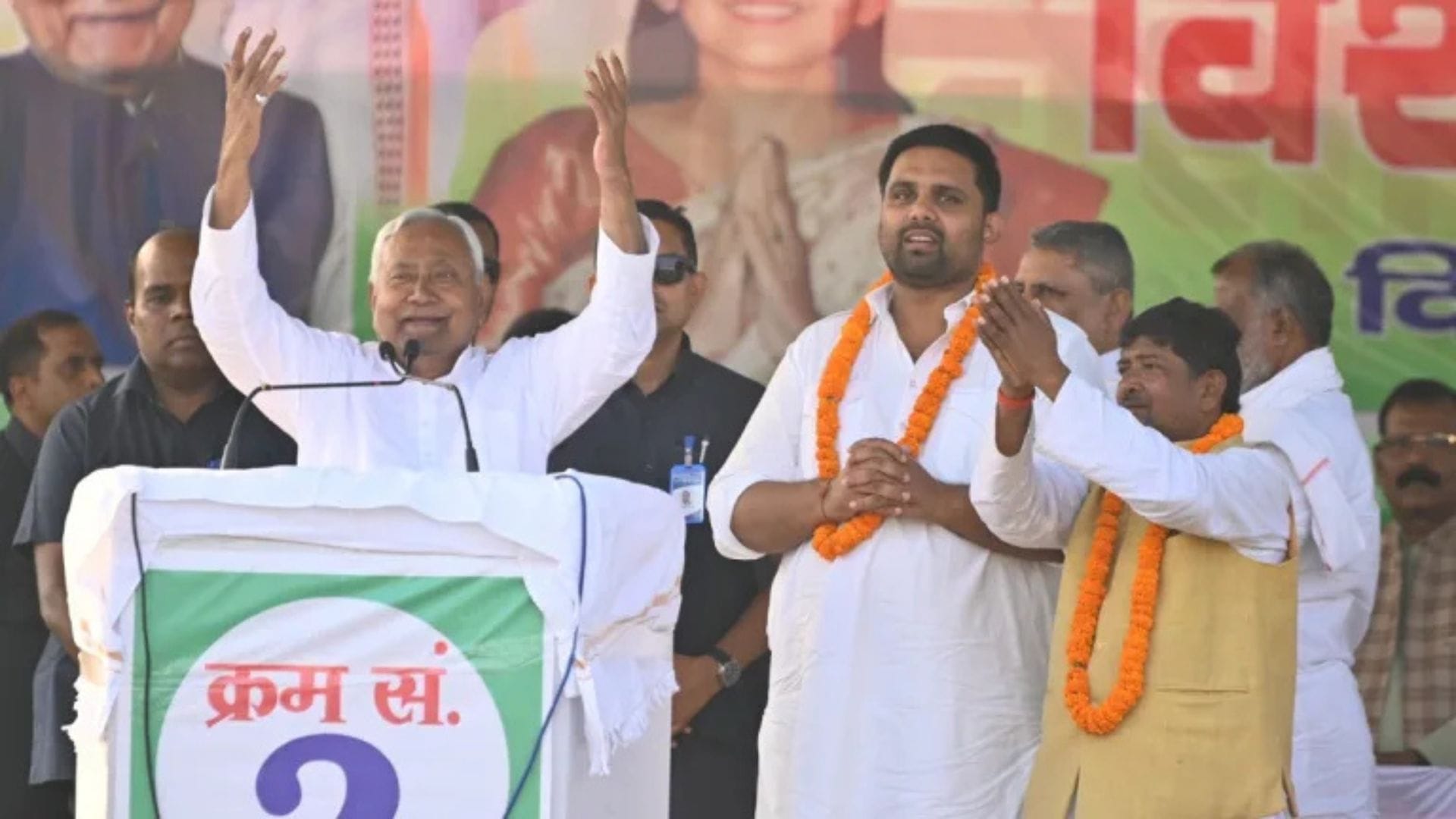
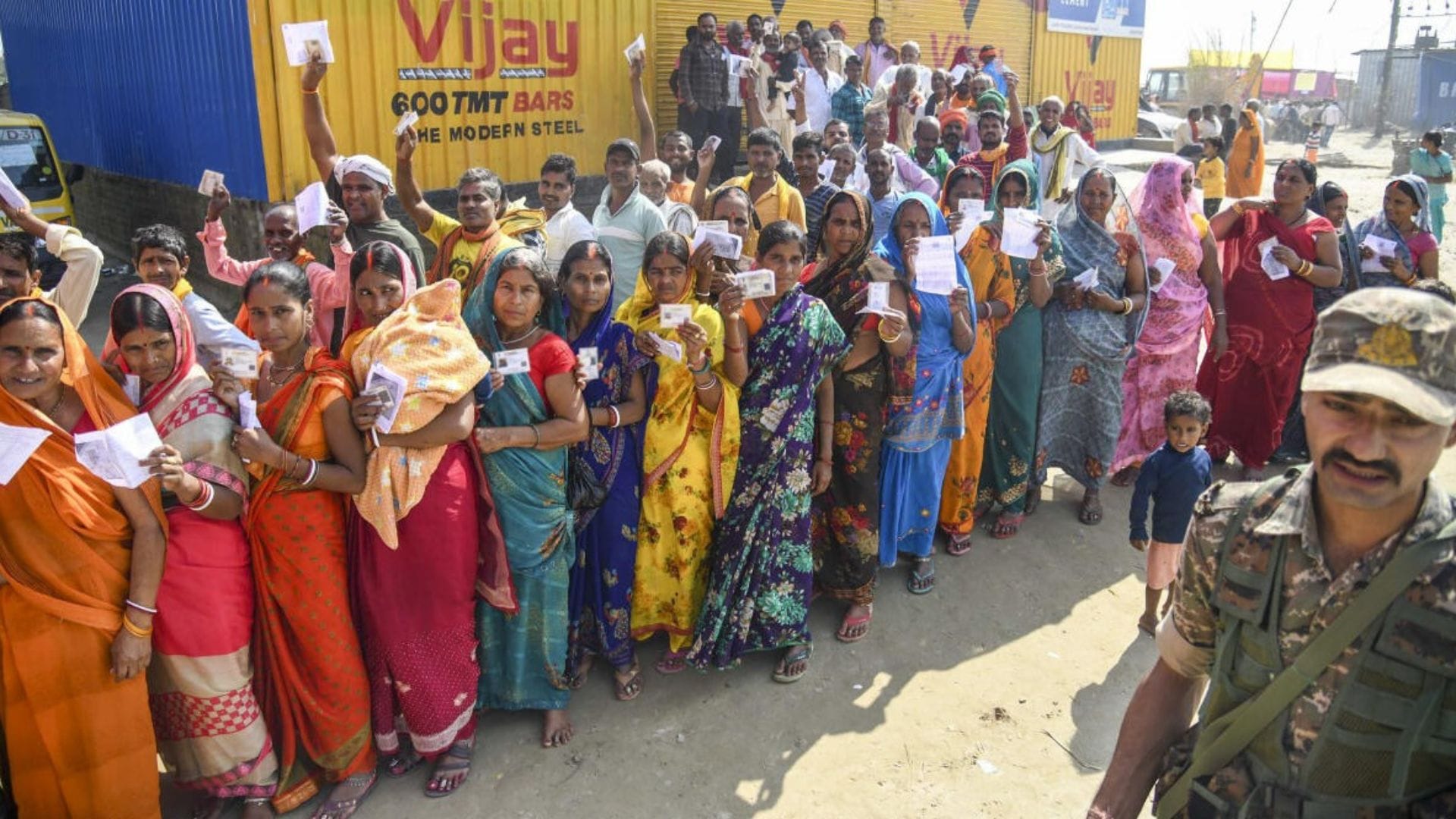
DATE: November 5, 2025 PATNA: With campaigning for the first phase of the Bihar Assembly elections drawing to a close, the political atmosphere has become intensely charged, with the Opposition’s core message centering on an explosive allegation of “vote theft.”2 Congress General Secretary Priyanka Gandhi Vadra launched a fierce attack on the National Democratic Alliance (NDA) on Wednesday, accusing the ruling alliance of attempting to subvert the democratic process to secure a victory. Addressing a public rally in Valmiki Nagar, West Champaran, Ms. Gandhi claimed, “The NDA wants to form the government in Bihar through ‘vote chori’ (vote theft).” The ‘Vote Chori’ Allegation: Targeting Electoral Rolls The Congress leader detailed the basis of her allegation, specifically pointing to the systematic revision of electoral rolls. She claimed that the names of approximately 65 lakh people, including a large number of women, have been deleted from the voter lists through the Systematic Information Revision (SIR) process. “They have put your vote in danger,” Ms. Gandhi told the crowd, stating that ‘vote chori’ is a “new way to suppress people” and a deliberate effort to undermine democracy. She urged the electorate to recognize their power and act against the alleged manipulation. “Why are you silent? Why don’t you recognise your power—change them, drag their government out and make a new government,” she exhorted the voters. Backing Rahul Gandhi’s ‘H-Files’ Priyanka Gandhi’s remarks came just hours after her brother and Leader of the Opposition in Lok Sabha, Rahul Gandhi, held a press conference in Delhi, releasing what he called the “H-Files.” This document alleged widespread and systematic voter irregularities in the recent Haryana Assembly elections, claiming the Congress’s victory was “converted into a BJP win” through planned manipulation. Priyanka Gandhi strongly supported her brother’s claims, asserting that the pattern of alleged vote-theft was not an isolated incident but part of a larger, systemic plan that extends to Bihar. NDA Fires Back: ‘HIRA’ vs. ‘Jungle Raj’ The ruling NDA, comprising the BJP and the JD(U), has vehemently denied the allegations and swiftly mounted a counter-offensive, dismissing the claims as a desperate attempt by a losing opposition to question democratic institutions. J.P. Nadda’s Development Pitch: BJP National President J.P. Nadda, while campaigning in Bettiah and Motihari, rejected the opposition’s rhetoric and presented the NDA’s vision for the state, stating that “NDA stands for HIRA” (Highway, Internet, Railway, and Airport). He credited Prime Minister Narendra Modi and Chief Minister Nitish Kumar for moving Bihar from the “lantern era to the LED era” and warned the state against a return to the “jungle raj” of the RJD’s past rule. Questioning Institutions: Union Minister Kiren Rijiju also slammed Rahul Gandhi’s “H-Files,” accusing the Congress leader of targeting “not just the BJP, but our country’s system and the credibility of its institutions,” calling it a “well-planned conspiracy.” Campaigning Wraps Up Ahead of Phase One The war of words has set the stage for a tense electoral battle. The high-octane campaign for the first phase of the Bihar Assembly elections ended on Tuesday, setting the stage for polling on Thursday, November 6, for 121 seats. The second phase of voting for the remaining 122 seats will take place on November 11, with the results for all 243 seats scheduled to be declared on November 14, 2025. The election has now turned into a direct clash between the NDA’s focus on development and stability under the double-engine government, and the Opposition’s charge of a compromised democracy, unemployment, and an urge to “chase them out of power.”  

India

The Price of Justice: Recalling the Shah Bano Case as Film ‘Haq’ Reignites India’s Biggest Legal-Religious Debate

New Delhi | November 5, 2025 The upcoming release of the film ‘Haq’, starring Yami Gautam Dhar and Emraan Hashmi, is doing more than just filling cinema seats—it’s reopening one of the most consequential chapters in India’s legal and political history: the landmark Shah Bano Begum case of 1985. Scheduled for release on November 7, the courtroom drama is inspired by the battle of Shah Bano, an Indore woman whose pursuit of dignity and financial security after divorce exposed the deep fault lines between secular law, religious personal laws, and women’s rights in the country. The controversy is already building, with Shah Bano’s own daughter reportedly moving the High Court to seek a stay on the film’s release, alleging unauthorized and misrepresented depiction of her mother’s life.   The Fight for Maintenance: Why Shah Bano Went to Court The story begins in 1978, when 62-year-old Shah Bano Begum, a mother of five, was divorced by her husband, Mohammed Ahmed Khan, a prominent lawyer, after 43 years of marriage. After her husband stopped providing the promised maintenance, she took a courageous step and filed a petition in the local court. Her legal fight was not filed under Muslim Personal Law, but under Section 125 of the Criminal Procedure Code (CrPC). This is a secular, welfare provision that applies to all citizens, regardless of religion, and mandates that a person of sufficient means must provide maintenance to dependents, including a divorced wife who is unable to maintain herself. Her husband contested the plea, arguing that under Muslim Personal Law, his financial obligation was limited to the iddat period—the mandatory waiting period of roughly three months following the divorce—and the payment of Mehr (dower).   The Landmark Verdict That Shook the Nation On April 23, 1985, the Supreme Court of India delivered a unanimous verdict that would reshape the national conversation on gender justice. The five-judge Constitution Bench ruled decisively in Shah Bano’s favor, holding that: Section 125 of CrPC is secular and applies to all citizens to prevent destitution and vagrancy. A divorced Muslim woman is entitled to maintenance from her former husband beyond the iddat period if she cannot maintain herself. The judgment asserted that secular law takes precedence over personal law in matters of maintenance to ensure basic human rights. The court even took the opportunity to express regret that Article 44 of the Constitution, which calls for a Uniform Civil Code (UCC)—a common set of laws governing personal matters for all citizens—remained a “dead letter.”   The Political Overturn: The Act of 1986   The progressive judgment was immediately met with fierce backlash from conservative Muslim groups and clerics, who viewed it as an encroachment on Sharia law and an attack on their religious identity. Massive protests and political polarization ensued. Under immense pressure, the then-Rajiv Gandhi-led government enacted the Muslim Women (Protection of Rights on Divorce) Act, 1986. This Act effectively nullified the Supreme Court’s verdict, severely restricting the rights of divorced Muslim women by limiting the husband’s liability for maintenance to only the duration of the iddat period. After that, the woman was to rely on relatives or the state-run Waqf Board.   A Legacy That Endures Today   Despite the political reversal, the spirit of the Shah Bano judgment was later upheld by the Supreme Court through creative interpretation. In the Danial Latifi v. Union of India case, the court ruled that the “reasonable and fair provision and maintenance” mandated by the 1986 Act must be a one-time lump-sum payment made during the iddat period, sufficient to maintain the divorced woman for the rest of her life. This restored much of the financial protection initially granted to Muslim women. The case remains a watershed moment, not just for maintenance law, but for setting the stage for subsequent judicial reforms. It laid the groundwork for the eventual striking down of Triple Talaq (instantaneous divorce) by the Supreme Court in 2017, demonstrating the judiciary’s ongoing role in safeguarding gender equality against the rigidities of personal laws. As ‘Haq’ reaches the silver screen, it serves as a powerful reminder of the arduous fight for a uniform code of justice, where a woman’s fundamental rights stand above religious and political expediency.  

Scroll to Top