









News Unwrapped

Thursday, January 15, 2026 1:59 PM
Hot News

Author name: Shakti Sharma

Global, Information Technology

REALME GT 8 PRO: The Ricoh GR-Powered Camera King Arrives in India on November 20th

The Street Photography Legend Meets the Flagship Killer: Realme GT 8 Pro Set to Redefine Mobile Imaging in India   New Delhi, India – The wait is almost over. Realme has officially confirmed the India launch of its next-generation flagship, the Realme GT 8 Pro, scheduled for November 20th. Positioned as a true ‘flagship killer,’ this device is set to disrupt the premium segment not just with raw power, but with a camera system co-engineered with the legendary Japanese photography brand, Ricoh Imaging. This strategic partnership marks a major leap for smartphone photography, promising to inject the soulful, authentic aesthetics of Ricoh’s celebrated GR series of street cameras directly into the GT 8 Pro.   The Ricoh GR Experience: Authentic Optics on a Smartphone   The camera is undoubtedly the headline feature. The Realme GT 8 Pro introduces a new era of mobile photography through its deep collaboration with Ricoh GR, a brand revered by street photographers for its distinct, film-like imaging. Here’s what the Ricoh GR integration brings to the table: Co-Engineered Optics: The main camera features a custom, ultra-high-transparency lens group developed with Ricoh Imaging, designed to meet the strict RICOH GR optical standards for superior clarity and reduced glare. Dedicated GR Mode: For enthusiasts, the phone includes a dedicated RICOH GR Mode that offers two classic fixed focal lengths: 28mm (ideal for capturing the full street scene) and 40mm (perfect for more focused, emotional snapshots). Exclusive GR Tones: Users can apply five exclusive RICOH GR Tones—crafted from decades of Ricoh’s color science—to give photos a distinctive, organic, and authentic look, moving away from the typical over-processed mobile aesthetic. Beyond the imaging technology, the GT 8 Pro also boasts an industry-first switchable camera bump design, allowing users to customize the physical appearance of their phone. The powerful triple-rear camera system is expected to include a high-resolution primary sensor, an ultrawide lens, and a massive 200MP periscope telephoto lens with 3x optical zoom.   Under the Hood: A True Performance Beast   The Realme GT 8 Pro doesn’t skimp on performance. It is armed with a suite of top-tier specifications designed to take on the most demanding tasks: Feature Specification Details Processor Qualcomm Snapdragon 8 Elite Gen 5 (3nm) + Hyper Vision+ AI Chip Display 6.79-inch 2K LTPO AMOLED with 144Hz refresh rate and a staggering 7,000 nits peak brightness Battery Massive 7,000mAh ‘Titan Battery’ Charging Blazing-fast 120W SuperVOOC wired charging (claimed 50% charge in 15 minutes) Software Realme UI 7.0 based on Android 16 (Out-of-the-box)   Design, Availability, and Impact   The device features an elegant design with a focus on sustainability, including an Urban Blue variant with a paper-like leather back panel made from recycled materials, as well as a Diary White option. The durable build also comes with an IP68/IP69 rating for robust dust and water resistance. The Realme GT 8 Pro will be available for purchase on Flipkart and the official Realme online store following the November 20 launch event. With its unparalleled combination of a cutting-edge processor, an endurance-focused battery, and the game-changing Ricoh GR camera collaboration, the GT 8 Pro is poised to be one of the most exciting and sought-after flagship smartphones launching in India this year.


Global, Information Technology

GTA VI Delayed to November 2026: A 13-Year Wait Continues, Here’s the Full Timeline, the Reasons, and Rockstar’s Response

In news that is both disappointing and, for long-time fans, depressingly familiar, Rockstar Games has officially announced a second major delay for Grand Theft Auto VI (GTA VI). The world’s most anticipated video game will not arrive next spring as previously planned, but has been pushed back six months to November 19, 2026. The announcement confirms the fears and rumors circulating for months and stretches the wait for a new mainline Grand Theft Auto title to a staggering 13 years since the launch of the cultural phenomenon, Grand Theft Auto V, in 2013. Here is the complete timeline of the delays, the developer’s official statement, and the underlying reasons behind the extended wait.   📅 The GTA VI Delay Timeline   The journey to the shores of Vice City in the state of Leonida has been a slow one, marked by two major official postponements since the game’s formal reveal. Date Announcement Status December 2023 Official Trailer 1 released. Initial release window set for Fall 2025. May 2025 Take-Two Interactive (Rockstar’s parent company) announces a shift. First delay announced, pushing the release to May 26, 2026. November 2025 Rockstar Games makes a statement. Second delay confirmed, pushing the final release date to November 19, 2026. The latest six-month shift now places the blockbuster title just ahead of the critical holiday season, a prime release window for games publisher Take-Two.   🎙️ Rockstar Games’ Response and The Reason: “Level of Polish”   Rockstar Games addressed the delay directly in a statement posted across its social media channels, acknowledging the community’s frustration but reaffirming its commitment to quality. “Hi everyone, Grand Theft Auto VI will now release on Thursday, November 19, 2026. We are sorry for adding additional time to what we realize has been a long wait, but these extra months will allow us to finish the game with the level of polish you have come to expect and deserve.” “We want to thank you again for your patience and support. While the wait is a little longer, we are incredibly excited for players to experience the sprawling state of Leonida and a return to modern day Vice City. Sincerely, Rockstar Games.”1 The official and reiterated reason for the delay is simple: polish and refinement. 📈 Why the Wait is Getting Longer   While the official line is “polish,” industry analysts and observers point to several factors that make a 13-year development cycle and multiple delays not just understandable, but necessary for a game of this magnitude:   1. The Pursuit of Perfection (and Avoiding Cyberpunk)   Rockstar Games’ reputation is built on delivering games that redefine the open-world genre, from GTA V to Red Dead Redemption 2. The studio’s mantra is to prioritize quality over deadlines. For the most anticipated game in history, the pressure to release a bug-free, genre-defining product is immense. The extra time is a clear attempt to avoid the kind of disastrous, rushed launch seen with other high-profile titles in recent years.   2. Unprecedented Scale and Complexity   GTA VI is confirmed to return to a modern-day Vice City (a fictionalized Miami) and the surrounding state of Leonida. Trailers have suggested an open world of unprecedented size, detail, and systemic complexity. Developing and optimizing this massive world—which will feature two protagonists, Lucia and Jason—is a monumental undertaking that requires extensive testing and quality assurance time.   3. Internal Development Challenges   Sources have indicated that internal workflow shifts and challenges may also be a contributing factor. Reports from earlier this year revealed a mandate for developers to return to office work to boost productivity in the “final stages” of development. Additionally, reports of employee terminations at Rockstar North in late 2025, while officially citing policy violations, have been linked by union organizers to internal labor disputes, adding a layer of turmoil to the development process.   🤔 What Now?   The news has been met with a mix of frustration and resignation from the fanbase, with many online users resorting to humor and memes to cope with the prolonged anticipation. However, the consensus among industry experts is that this is the right move. GTA V has generated over $8 billion in revenue since its 2013 launch, making it one of the most profitable entertainment products of all time. This financial success gives Rockstar and Take-Two the luxury to wait for what Take-Two CEO Strauss Zelnick describes as a “generational release” that will “set new benchmarks for entertainment.” For now, fans must set their sights on November 19, 2026, and hope that the final 12 months of development are indeed enough to deliver the perfect version of Grand Theft Auto VI they have waited over a decade to play.

Global

Spurs Splash Alert: Tottenham Eyeing Real Madrid’s Rodrygo and Juventus Phenom Kenan Yildiz in Ambitious Transfer Plot

North London, Tottenham Hotspur is reportedly gearing up for two blockbuster transfer windows, with whispers suggesting the club is targeting a “statement signing” to bolster its attacking ranks. Top of the wishlist, according to multiple sources, are Real Madrid winger Rodrygo Goes and Juventus’s Turkish prodigy, Kenan Yildiz. The rumors indicate a significant shift in ambition for the North London club, with new investment from the ownership group reportedly positioning Spurs to compete for some of the biggest names in European football.   Rodrygo: The Marquee Target   The most immediate and high-profile target is the 24-year-old Brazilian international, Rodrygo. The Situation at Madrid: Despite his immense talent, Rodrygo is reportedly considering his future at the Santiago Bernabéu. Under the current regime, the winger is struggling to secure a regular starting berth, with other young stars being favored. A January Exit? Reports suggest that Rodrygo is open to a move as early as the January transfer window to secure the regular game time he needs to cement his place in the Brazil squad ahead of the 2026 World Cup. The Price Tag: Real Madrid is unlikely to let the talented forward leave cheaply, with his value rumored to be around £70 million. Tottenham and their North London rivals, Arsenal, are both understood to be monitoring the situation closely, ready to compete for his signature should Real Madrid decide to sell. For Spurs, acquiring a “world-class superstar” like Rodrygo would undoubtedly be the “statement signing” the club is looking for.   Yildiz: The Young Turk on the Radar   Alongside the pursuit of Rodrygo, Tottenham is also throwing its hat into the ring for Juventus attacker Kenan Yildiz. Rising Star: The 19-year-old Turkish international has rapidly risen through the ranks in Turin, earning a reputation for dazzling dribbles and versatile attacking play. Premier League Battle: Spurs have reportedly joined a host of Premier League heavyweights—including Chelsea, Arsenal, and Liverpool—who are closely monitoring Yildiz’s development. Contract Standoff: Yildiz’s future hinges on contract negotiations with Juventus. The Italian giants are keen to secure him on a new, long-term deal to ward off interest. However, if those talks stall, a window of opportunity could open for the interested English clubs to swoop in.   What This Means for Tottenham   Tottenham’s pursuit of both Rodrygo and Yildiz suggests a clear mandate to significantly upgrade the quality and depth of the squad’s attacking options, particularly on the flanks. With a mandate for further investment, the club appears ready to break its transfer record to secure players who can immediately lift the team’s quality and help their quest for major silverware. The coming transfer windows promise to be exciting and potentially historic for the Lilywhites, as they plot a course for global football’s elite.

India, Information Technology

Street Smarts and AI: Why L&T Finance Rallied 9% to a New High in a Weak Market

Mumbai – While the broader market indices, including the BSE Sensex, struggled to hold their ground in a volatile trading session, shares of L&T Finance (LTF) staged a spectacular rally, surging over 9% to hit a new all-time high of ₹300.60. This exceptional performance, amidst an otherwise weak market, wasn’t driven by speculation—it was fueled by tangible business results and a powerful technological pivot that has radically transformed the Non-Banking Financial Company’s (NBFC) growth trajectory. Here is a breakdown of the key factors driving L&T Finance’s explosive momentum:   1. The Single Biggest Catalyst: Record-Breaking Retail Disbursements   The immediate trigger for today’s rally was the company’s announcement that it recorded its highest-ever monthly retail disbursement in October 2025. Massive Growth: Retail finance disbursement grew a robust 39% year-on-year (YoY) to ₹8,009 crore. Granular Focus: This growth was strong across key segments, with Urban finance up 49% and Rural finance up 42% YoY. The Retail Pivot Pays Off: The company’s strategy, which has seen it shift its focus almost entirely to the retail segment, now boasts a highly granular and diversified loan book, with 97% of its business concentrated in consumer and small business lending.   2. The Tech Edge: AI-Powered Underwriting and Digital Scale   L&T Finance isn’t just a traditional lender; it is rapidly transforming into a “risk-first, tech-first” financial powerhouse. Its recent Investor Digital Day highlighted significant milestones in its digital journey: Proprietary AI Systems: The company is leveraging advanced AI platforms like ‘Cyclops’ for AI-driven underwriting and ‘Nostradamus’ for automated portfolio management. These tools enhance efficiency, improve credit quality, and enable faster loan approvals, particularly in high-volume segments like two-wheelers and personal loans. Digital Partnerships: Strategic tie-ups with “digital behemoths” are expected to drive stronger, more sustainable retail loan growth by streamlining customer acquisition and journey automation.   3. The High-Yield Entry: Launching Gold Loans   To further diversify and enhance its margins, L&T Finance has strategically entered the secured gold loan market. Low-Risk, High-Yield: Gold loans are an attractive product, offering a high-yield coupled with relatively low risk due to the underlying collateral. Cross-Selling Potential: The company sees a large potential market by cross-selling secured gold loans to its extensive base of existing micro loan customers.   4. Strong Foundation: Solid Q2 Results   The rally is built on the foundation of a resilient quarterly performance (Q2 FY26) announced in mid-October: Highest-Ever PAT: L&T Finance reported its highest-ever quarterly Profit After Tax (PAT) of ₹735 crore, marking a 6% YoY increase. Retail Book Milestone: The consolidated retail loan book crossed the ₹1 lakh crore milestone, growing 18% YoY. Stable Asset Quality: Despite the strong growth in high-yield segments like Personal Loans (disbursements up 114% YoY), the company has maintained stable asset quality indicators, providing investors with confidence in its risk management. In Summary: L&T Finance’s stock surge is a clear example of the market rewarding demonstrable, technology-backed operational excellence. The record disbursement data validates the company’s aggressive and successful pivot to a retail-focused, digitally-enabled lending model, setting it apart from peers in an otherwise muted market environment.

Global

Climate Alarm: 2025 Set to Be One of the Hottest Years on Record, Confirming ‘Unprecedented Streak’

World– The world’s climate crisis shows no sign of abating, with 2025 on track to be either the second or third warmest year ever recorded, according to the latest State of the Global Climate Update from the World Meteorological Organization (WMO). This finding extends an alarming and unprecedented streak of heat, making the 11-year period from 2015 to 2025 the warmest decade since records began 176 years ago. The report, released ahead of the annual UN climate summit (COP30), underscores the relentless human-driven heating of the planet and the immense challenge in keeping the Paris Agreement’s 1.5°C limit alive.   The Three Hottest Years on Record   The WMO confirmed that the years 2023, 2024 (the current warmest year), and 2025 will collectively stand as the three hottest years in observational history. Despite the fact that the powerful El Niño weather pattern—which significantly boosted global temperatures in 2024—has since faded, the year 2025 continues the high-temperature trend. Between January and August 2025, the global mean near-surface temperature was measured at 1.42°C above the pre-industrial average (1850–1900).   Key Indicators Confirm Accelerating Crisis   The persistence of extreme heat is driven by record-high concentrations of heat-trapping greenhouse gases (GHGs)—carbon dioxide, methane, and nitrous oxide—which continued to rise throughout 2025. This trapped heat is rapidly transforming the Earth system: Ocean Heat: Ocean heat content reached and surpassed the record values set in 2024, absorbing over 90% of the surplus energy caused by GHG emissions. This is leading to severe marine heatwaves, coral bleaching, and a weakening of the ocean’s ability to act as a carbon sink. Sea Ice at Record Lows: The Arctic sea-ice extent after the winter freeze was the lowest on record, while the Antarctic sea ice remained well below average throughout the year. Accelerating Sea-Level Rise: The long-term rate of sea-level rise has nearly doubled since the 1990s, driven by the combined effect of thermal expansion from warming oceans and the melting of glaciers and ice sheets.   The 1.5°C Target: A Temporary Overshoot Now ‘Virtually Impossible’   WMO Secretary-General Celeste Saulo warned that this “unprecedented streak of high temperatures” makes it “virtually impossible to limit global warming to 1.5°C in the next few years without temporarily overshooting this target.” UN Secretary-General António Guterres echoed the urgency, stating that every year above the 1.5°C mark will “hammer economies, deepen inequalities and inflict irreversible damage.” Both leaders stressed the absolute necessity of rapid and deep emissions cuts now to ensure temperatures can be brought back down below the 1.5°C threshold by the end of the century. As world leaders convene to discuss climate action, the science is clear: the exceptional warming trend is no longer an anomaly but the new normal, demanding immediate, large-scale, and transformative global action.

Global

Global Trade Spotlight: Transparency and the Complex World of Rules of Origin

Geneva,  – The intricate, often opaque system of determining a product’s “economic nationality” is back in the spotlight, as trade members intensify discussions on improving the transparency and application of non-preferential Rules of Origin (RoO). These rules, essential for everything from imposing anti-dumping duties to compiling trade statistics, are being scrutinized by international bodies like the World Trade Organization (WTO) to ensure they do not become subtle barriers to global trade.   The Core Issue: Non-Preferential vs. Preferential   Discussions frequently center on two distinct categories of RoO: Preferential Rules of Origin: These are the rules negotiated within Free Trade Agreements (FTAs) or other preferential trade pacts (like the Generalized System of Preferences, or GSP). Their sole purpose is to determine if a good qualifies for reduced or zero tariffs between partner countries. Non-Preferential Rules of Origin (The Focus): These apply to all other trade and are not about granting tariff breaks. Instead, they are the foundation for a country’s wider commercial policy. Their application is crucial for: Implementing Anti-Dumping and Countervailing Duties. Applying Safeguard Measures (emergency restrictions on imports). Determining Tariff Quotas and Quantitative Restrictions. Enforcing Origin Marking and labeling requirements. Compiling accurate Trade Statistics.   The Call for Transparency and Harmonization   Under the WTO’s Agreement on Rules of Origin, members are mandated to ensure their non-preferential rules are applied in an impartial, consistent, and transparent manner. Despite a long-standing goal since the Uruguay Round (1995), a complete set of harmonized, non-preferential RoO has yet to be finalized. The renewed focus on transparency and the application of these rules stems from several critical challenges: Complexity of Global Supply Chains: As manufacturing processes are fractured across multiple countries, determining the “last substantial transformation” that confers origin is becoming increasingly difficult and subjective. Risk of Protectionism: Unclear or arbitrarily applied rules can be misused to pursue protectionist trade objectives, effectively restricting trade without imposing overt tariffs. Preventing Origin Fraud: Ensuring accurate origin helps customs authorities prevent misdeclaration intended to evade trade remedial duties or other restrictions.   Moving Forward: Digital Solutions and Due Diligence   To address these concerns, member countries are exploring practical solutions: Digitalization: Countries like Vietnam have recently been recognized for their efforts in maintaining transparency and preventing origin fraud, including the adoption of QR codes and other digital solutions in the issuance of Certificates of Origin (CoO). Stricter Documentation: Importing jurisdictions, such as the European Union, are increasingly strengthening their non-preferential rules by prescribing tighter norms and demanding comprehensive documentation from exporters to detail the entire production process. For businesses engaged in international trade, the shifting landscape means that thorough due diligence in determining and documenting origin is more important than ever. The ongoing talks signal a global push for greater clarity, predictability, and fairness in the one area of international commerce that defines a product’s most basic identity: its origin.

India

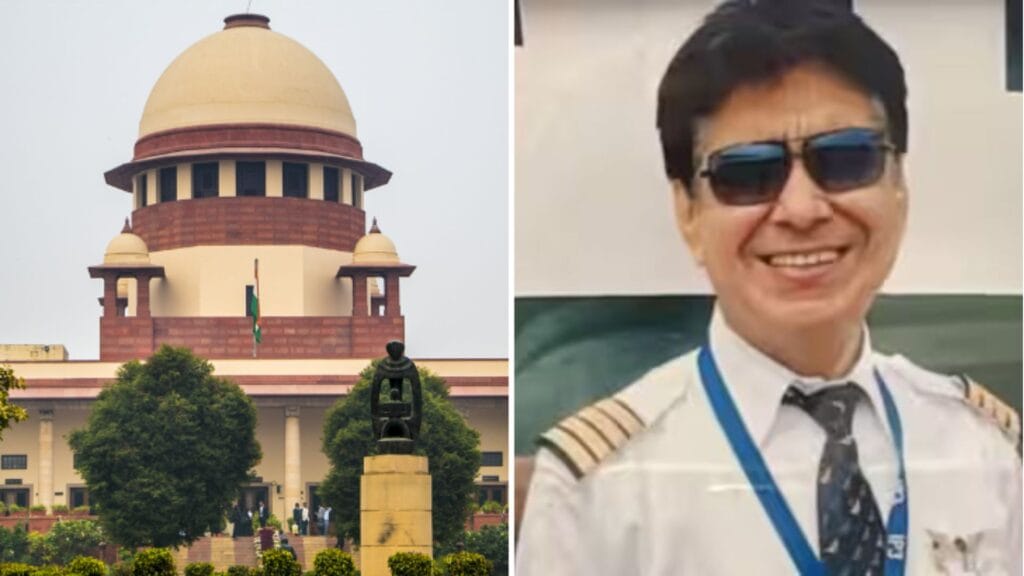
A Father’s Burden Lifted: Supreme Court Assures Pilot’s Family, Vows Independent Crash Probe

New Delhi,  – In a rare and emotional moment of judicial empathy, the Supreme Court of India today reassured the 91-year-old father of the pilot-in-command of the ill-fated Air India Boeing 787 Dreamliner, Captain Sumeet Sabharwal, that his son was not to blame for the tragic crash in Ahmedabad. Hearing a petition that demanded a fair and judicially monitored inquiry into the accident, the court addressed the grief-stricken father directly, telling him: “Don’t carry this burden on yourself. The pilot is not to be blamed for the plane crash. It was an accident.”   A Court’s Reassurance and Condemnation of Media Reports   The crash of Air India Flight AI-171 in June, which claimed over 260 lives, has been under intense scrutiny. Amid swirling speculation and preliminary reports, senior counsel for the petitioner, Pushkar Raj Sabharwal, raised concerns over foreign media articles, specifically citing a report in the Wall Street Journal that allegedly hinted at pilot error. The bench, comprising Justices Surya Kant and Joymalya Bagchi, firmly rejected this narrative. Justice Surya Kant stated, “No one in India believes it was the pilot’s fault.” Responding to the foreign media report, Justice Kant remarked, “It was nasty reporting only to blame India.” The court further clarified that the preliminary report by the Aircraft Accident Investigation Bureau (AAIB) contained “no insinuation” against Captain Sabharwal. The report only mentioned the cockpit voice recorder dialogue where one pilot was heard asking the other if they had moved a fuel cut-off switch, with the other pilot denying it.   The Call for a Judicially Monitored Probe   The core of the petition filed by Captain Sabharwal’s father and the Federation of Indian Pilots (FIP) is the demand for a “fair, transparent, and technically robust” investigation, overseen by a retired Supreme Court judge. The petitioners argued that: The ongoing probe by the AAIB is not independent and has been compromised. The sole objective of an aircraft accident investigation, per international norms (ICAO Annex 13), should be prevention of future accidents, not the premature apportionment of blame. Acknowledging the gravity of the matter and the constitutional right to life (Article 21) which includes aviation safety, the Supreme Court issued a formal notice to the Centre, the Directorate General of Civil Aviation (DGCA), and the AAIB, seeking their detailed responses. The court made it clear that if necessary, it would issue a clarification stating on record that the pilot cannot be blamed for the tragedy. The case is scheduled for further hearing next week, alongside other pending petitions related to the crash. Key Takeaways from the SC Hearing: Aspect Court’s Observation/Action Pilot’s Role “The pilot is not to be blamed for the plane crash… Nobody can blame him for anything.” Relief to Family Advised the 91-year-old father, “Don’t carry this burden on yourself.” Investigation Status Issued Notice to the Centre, DGCA, and AAIB on the plea for a judicially monitored, independent probe. Media Criticism Dismissed a foreign media report suggesting pilot error as “nasty reporting only to blame India.”

Global

Explosion Rocks Jakarta Mosque During Friday Prayers, Injuring 54 People; Cause Under Investigation

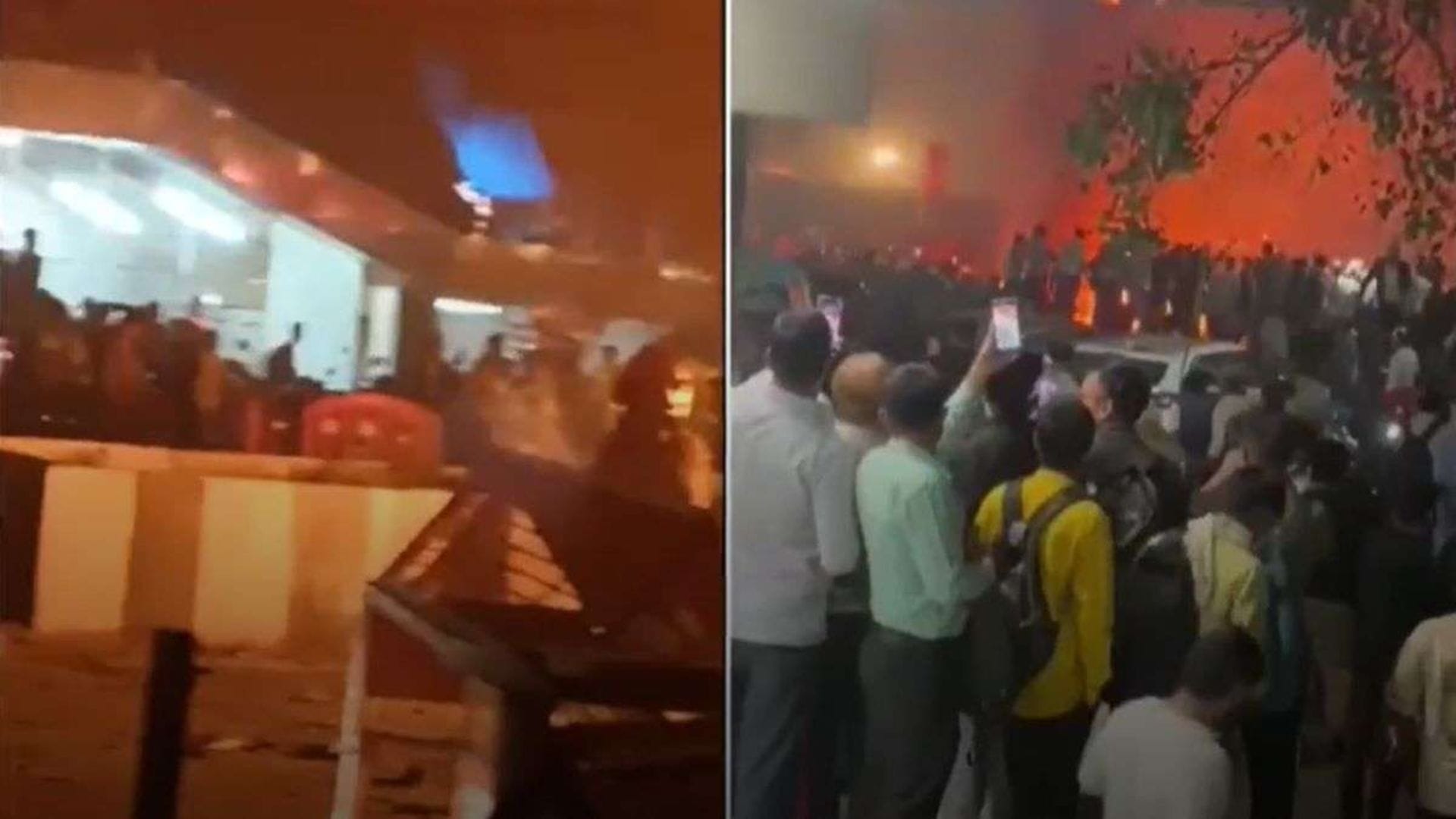
JAKARTA, Indonesia – A powerful blast shook a mosque located inside a school complex in North Jakarta during Friday prayers, injuring at least 54 people, according to police officials. The incident, which occurred around midday in the Kelapa Gading area, has prompted a major security and forensic investigation as authorities work to determine the cause. City police chief Asep Edi Suheri confirmed the casualty figures, stating that the injured have been admitted to local hospitals with injuries ranging from minor to serious, including burns and wounds from glass fragments. No fatalities have been reported so far.   The Incident   The explosion occurred within the mosque situated on the grounds of a naval compound school complex. Witnesses reported hearing multiple loud blasts just as the Friday sermon was commencing, causing panic among the dozens of worshippers, many of whom are believed to be students and personnel associated with the compound. Images from the scene show armed police and military personnel quickly cordoning off the area. While initial reports suggest the mosque building did not sustain extensive structural damage, the shockwave and debris caused injuries to those inside.   Cause Remains Unknown   The Jakarta Metropolitan Police have deployed bomb disposal and anti-terror units, including the elite Special Detachment (Densus 88), to the site to conduct a thorough investigation. Police chief Suheri stated that the cause of the explosion is still under investigation, and authorities are not yet ruling out any possibilities. Early, unofficial speculation suggests the blast may have been caused by an electrical short circuit or a malfunctioning electronic device, potentially a loudspeaker near the rear section of the main hall. However, forensic experts are meticulously examining all evidence, which reportedly includes the discovery of suspicious objects like toy rifles and a toy gun found near the mosque, though their connection to the blast remains unconfirmed. The police have urged the public to refrain from speculation until the official investigation is concluded. Authorities have set up information posts at nearby hospitals to assist relatives of the injured. The incident is a stark reminder of Indonesia’s security challenges, though the focus is currently on determining whether the cause was technical, accidental, or linked to a malicious act.

India

🚨 Attention Flyers! Delhi Airport Hit by Massive Tech Glitch; Over 100 Flights Delayed

New Delhi, – Hundreds of passengers faced severe disruption at Indira Gandhi International Airport (IGIA), Delhi, this morning after a major technical fault in the Air Traffic Control (ATC) system caused cascading delays for over 100 flights. The glitch, which began late Thursday, forced air traffic controllers to abandon automated processes and resort to manual procedures, drastically slowing the country’s busiest airport operations.   The Root Cause: AMSS Failure   The chaos has been attributed to a malfunction in the Automatic Message Switching System (AMSS). The AMSS is a critical component of the ATC infrastructure, responsible for automatically transmitting crucial flight plan data, weather updates, and operational messages between ATC and airlines. System Failure: The AMSS crash prevented controllers from automatically receiving flight plans and other necessary data on their screens. Manual Processing: To maintain the highest safety standards, controllers had to revert to a significantly slower manual process: physically compiling and coordinating flight plans using available data. The Bottleneck: This manual workflow severely reduced the number of flights that could be processed per hour, leading to extensive congestion both on the ground and in the airspace. Flight tracking data indicated that the average departure delay climbed to approximately 50 minutes across the day. Airlines Issue Urgent Advisories   Major carriers, including IndiGo, Air India, and SpiceJet, immediately issued advisories to their passengers, urging them to check their flight status before heading to the airport. 📢 IndiGo Advisory: “Flight operations at #Delhi Airport are currently experiencing delays due to a technical issue with the Air Traffic Control (ATC) system. As a result, flight operations at Delhi and several northern regions are impacted1.” The Airports Authority of India (AAI), which manages the ATC services, confirmed the issue and stated that technical teams are working to restore the system. However, no definitive timeline for a return to normal operations has been provided. Widespread Impact Beyond Delhi   As a key hub for North India and a major international gateway, the disruption at Delhi Airport has had far-reaching consequences: Cascading Delays: The delays have spread throughout the domestic network, grounding aircraft and disrupting crew schedules across the country. Passenger Frustration: Passengers reported long wait times at boarding gates and inside already-boarded aircraft, with many missing onward connections. The situation underscores the acute dependence of modern aviation on automated digital infrastructure. Advice for Travelers   If you are flying to or from Delhi (IGIA) in the immediate future: Check Status: Do not proceed to the airport without confirming the updated status of your flight directly with your respective airline (e.g., via their website or mobile app). Allow Extra Time: Anticipate and prepare for extended wait times for check-in and security, even after the ATC system is fully restored, due to the lingering backlog. Contact Airline: For rebooking, cancellation, or compensation inquiries, contact your airline’s customer service channels. Would you like me to check for the latest official update on the status of the ATC system restoration at Delhi Airport?

Global

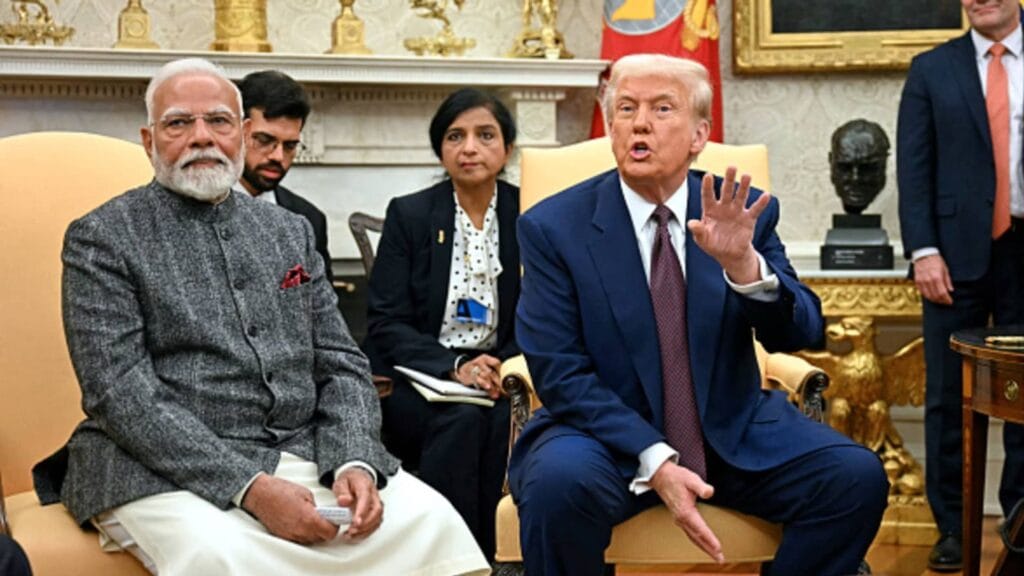
Trump Praises Modi, Hints at 2026 India Visit After Claiming New Delhi Has ‘Largely Stopped’ Russian Oil Purchases

Washington D.C., – United States President Donald Trump on Thursday lauded Prime Minister Narendra Modi as a “great man” and claimed that India has “largely stopped” buying oil from Russia. His remarks came amid ongoing, high-stakes trade negotiations between the two countries, which are complicated by a US-imposed tariff linked directly to India’s energy imports from Moscow.1 In a brief interaction with reporters at the White House, President Trump expressed optimism about the bilateral relationship and the trade talks, while dropping a significant hint about a potential diplomatic visit.2   The Russian Oil Claim When asked about the status of trade discussions with India, President Trump commented: “They are going good; he [PM Modi] stopped buying oil from Russia largely.3 He is a friend of mine, and we speak.” When asked directly if he planned to travel to India next year (2026), he replied: “It could be, yes.” This is not the first time President Trump has made this claim. He had previously stated that PM Modi had assured him India would significantly reduce its Russian oil purchases by the end of the year.4   India’s Stance and Trade Tensions   The US President’s repeated assertion about the reduction in Russian oil imports remains a point of diplomatic ambiguity. India’s Official Position: India’s Ministry of External Affairs (MEA) has consistently maintained that its energy policy is guided solely by its national interest, specifically the need to ensure secure and affordable energy supplies for its large consumer base in a volatile global market.5 While India has diversified its energy sourcing, it has not officially confirmed a commitment to halt or substantially curb Russian oil imports based on a bilateral assurance to the US.6 Tariff Pressure: The topic is central to the current trade friction.7 The United States has imposed a 50 per cent tariff on certain Indian goods.8 This duty includes a 25 per cent base tariff and an additional 25 per cent duty explicitly linked by the US administration to New Delhi’s continued purchase of Russian crude oil.9 President Trump views the tariffs as a tool to leverage diplomatic outcomes and push India towards supporting the global isolation of Russia.10 Building Up to a 2026 Visit   The possibility of a presidential visit in 2026 underscores the strategic importance of the India-US partnership, despite current trade disputes. Trade Deal Momentum: Negotiators from both sides are intensely working to finalize a Bilateral Trade Agreement (BTA), a deal aimed at scaling up bilateral trade volumes from the current $191 billion to an ambitious $500 billion by 2030.11 A presidential visit is often viewed as the final political impetus needed to seal major agreements. Praise for PM Modi: President Trump referred to PM Modi as a “great man” and a “friend,” highlighting the strong personal rapport that defines the relationship between the two leaders.12 The speculated 2026 visit—potentially marking a major diplomatic engagement—will likely depend on progress made in both resolving the contentious tariff issues and aligning the two nations’ approaches to energy security and global geopolitics.

Scroll to Top