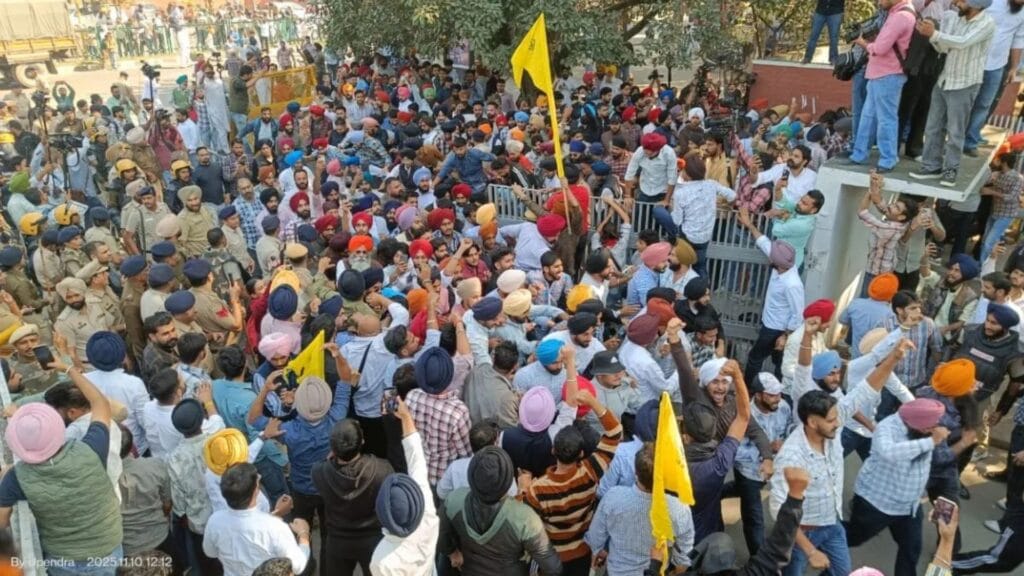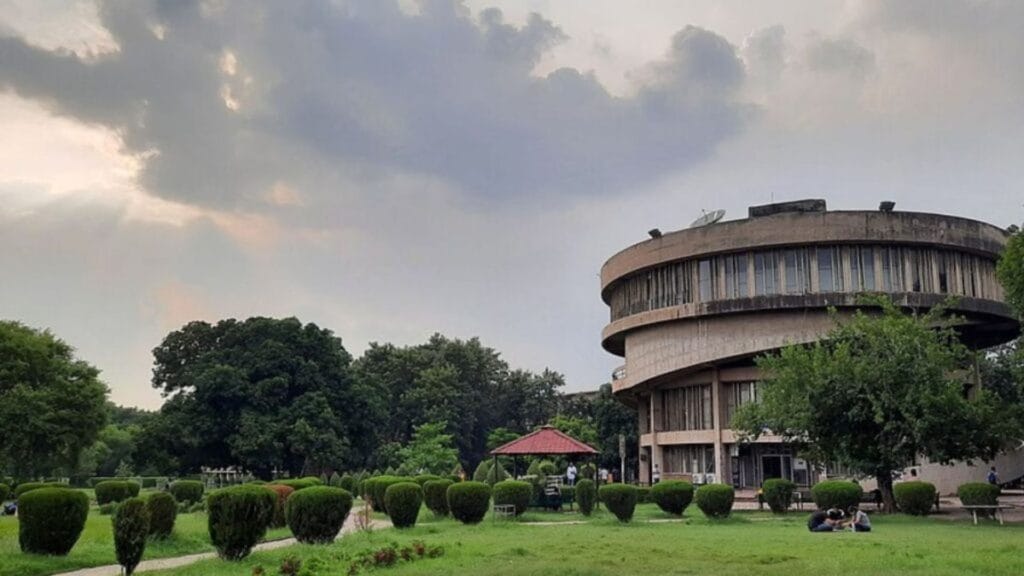
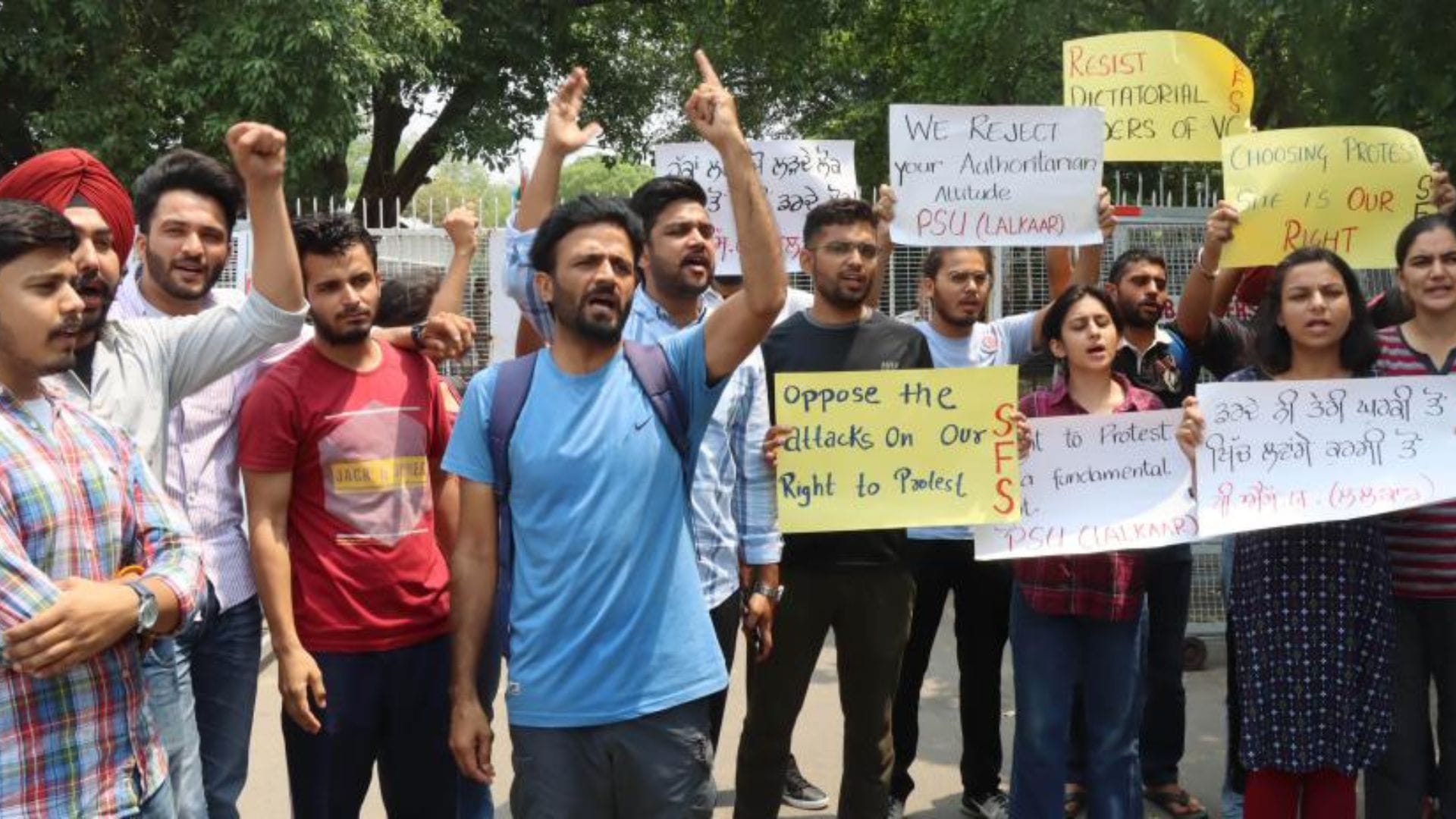

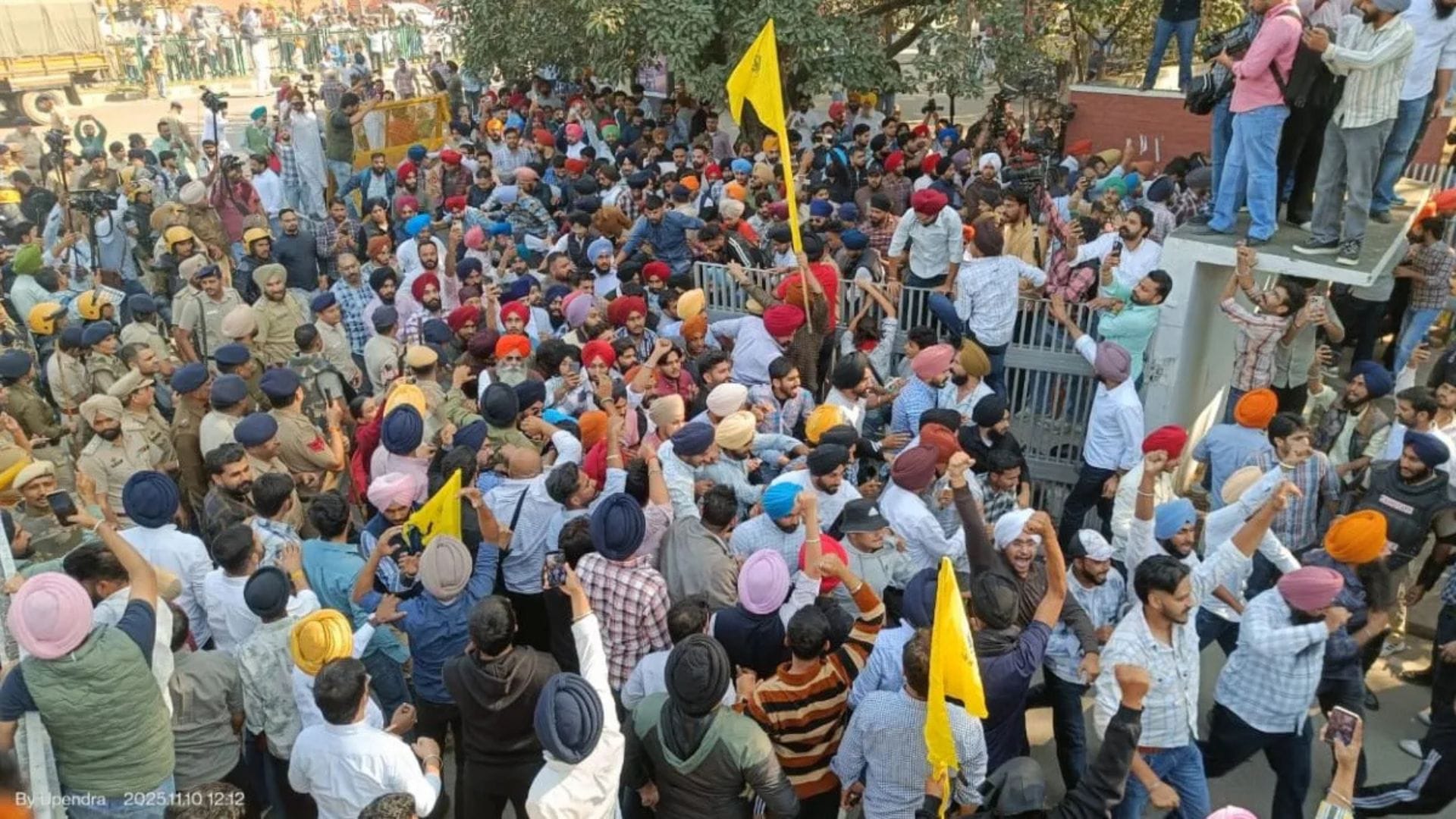
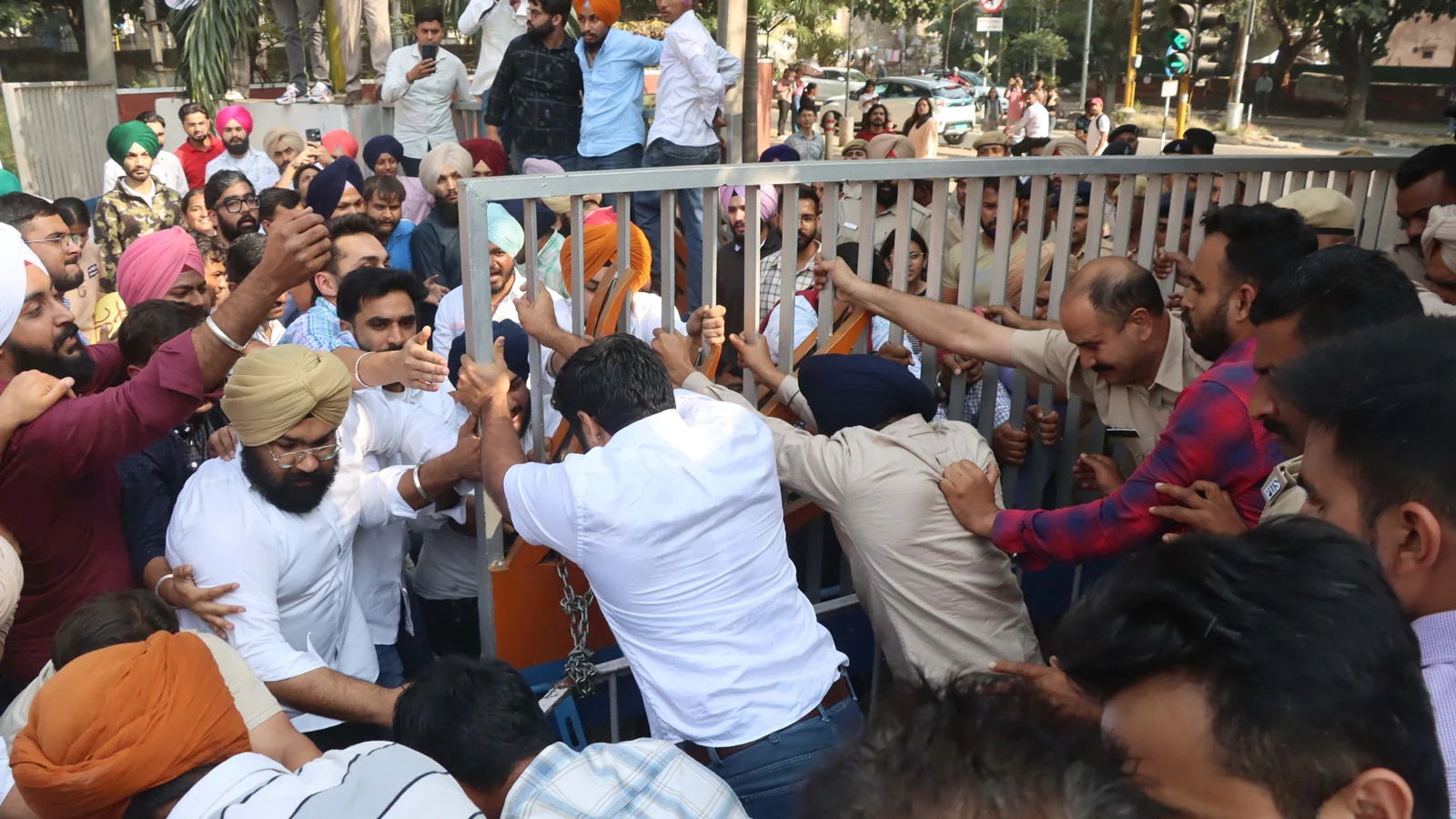



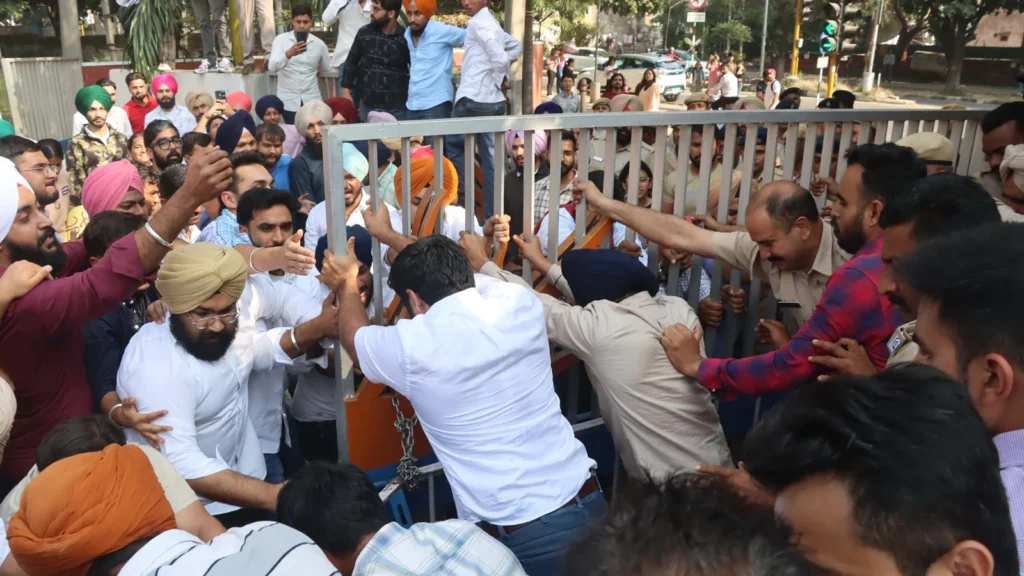
Chandigarh: The hallowed grounds of Panjab University (PU) in Chandigarh recently transformed into a theatre of confrontation, witnessing one of its largest mobilizations in decades. What began as a student hunger strike quickly escalated, culminating in thousands of protestors—including students, political leaders, and social activists—breaching campus gates in a forceful assertion of dissent.
While the immediate flashpoint was the clash between protestors and police, the real story brewing on the PU campus is not just about a local law-and-order situation. It is a critical battle for the soul of Indian public higher education, touching upon issues of institutional democracy, federal balance, and the alarming erosion of student voices nationwide.
The Spark: An Attack on Autonomy
The current turmoil is rooted in two key administrative moves, both perceived as an attempt to centralize power and suppress dissent:
1. The Undermining of Governance
The most significant issue was the Union Ministry of Education’s notification to radically restructure the University’s apex governing bodies: the Senate and the Syndicate.
- The Senate’s strength was set to be drastically reduced from 91 to 31.
- The elected nature of the bodies, which ensures representation for students, faculty, and alumni, was to be replaced with a system dominated by nominated and ex officio members.
Protestors argued this move effectively dismantled the 59-year-old democratic structure of PU, stripping the university of its unique autonomy and converting it into a centrally controlled entity.
2. The Affidavit of Silence
A secondary, though equally controversial, demand was the withdrawal of a mandatory ‘no-protest affidavit’ required from students. Students condemned this as an “undemocratic” attempt to criminalize and pre-empt legitimate student activism and dissent on campus. The student movement achieved an early victory when the university was forced to formally withdraw this controversial affidavit.
The Clash: A Political Show of Force
The student-led ‘Panjab University Bachao Morcha’ (Save Panjab University Front) called for a campus shutdown, which quickly drew support from outside.
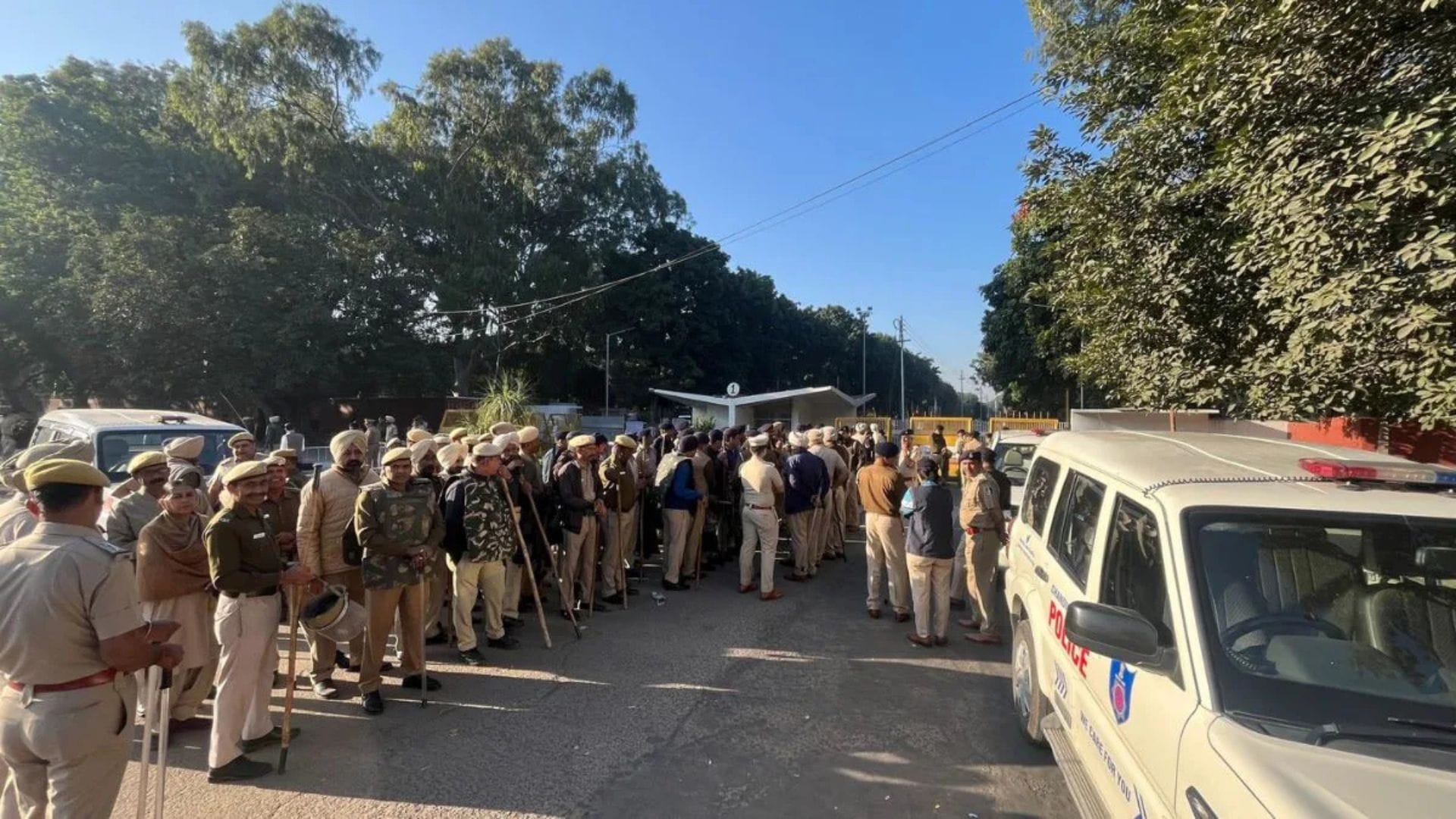
On the day of the escalation, a massive crowd—swelled by representatives from Punjab-based political parties, farmer organisations, and Sikh groups—stormed the gates. Barricades were pushed aside, and Gates No. 1 and 2 were breached. The Vice-Chancellor, Renu Vig, publicly lamented that the situation had ceased to be a student issue and had turned into a “political mobilisation by external elements,” warning against turning the academic institution into a “theatre for power contests.”
This dramatic physical confrontation brought the crisis into the national spotlight, demonstrating the scale of popular resistance against the proposed administrative changes.
The Bigger Issue: Why PU is a National Microcosm
The Panjab University saga is a reflection of three crucial national challenges facing public higher education:
1. The Battle for Institutional Democracy
The attempt to replace the Senate’s elected majority with nominated members is symptomatic of a broader trend of “de-democratisation” in higher education across India. By reducing the size and elective strength of governing bodies, critics argue the government is implementing governance reforms suggested by the National Education Policy (NEP) 2020 in a way that minimizes independent oversight and consolidates control under central authorities, stifling the collective voice of the academic community.
2. Federal Tussle and Regional Identity
Panjab University holds a unique position as an inter-state body corporate, funded by the Centre and the state of Punjab. It is viewed by many as a symbol of Punjab’s historical and cultural legacy. Punjab Chief Minister Bhagwant Mann was vocal in his opposition, labelling the Central government’s notification as “unconstitutional” and an infringement on the state’s rights. The protest, therefore, became a demonstration of regional pride and federal resistance against perceived central overreach into an institution intrinsically linked to the history of Punjab.
3. The Crisis of Public Funding
Beneath the governance issue lies the chronic financial instability of PU, which struggles with a significant deficit. Critics argue that moves toward centralized control often pave the way for a shift in funding models—potentially leading to higher fees, reduced access for economically weaker sections, and a move toward privatization. Students fear that a nominated body, insulated from the needs of the stakeholders, will be more inclined to enforce unpopular decisions like fee hikes to manage the funding crunch imposed by constrained Central grants.
Conclusion: A Temporary Retreat, A Continuing War
Following intense criticism and mass protests, the Union Ministry of Education was eventually compelled to rescind the notification that immediately brought the Senate amendments into effect, effectively putting the changes on hold.
This is a victory for organized student dissent and the coalition of forces that supported the ‘Panjab University Bachao Morcha’. However, the substance of the amendments remains drafted, and the underlying issues—PU’s funding crisis and the national debate over autonomy versus centralization in higher education—are far from resolved.
The events in Chandigarh serve as a stark reminder that the fight for affordable, accessible, and democratically governed public universities is an ongoing struggle across India, one that extends far beyond the perimeter of the Panjab University campus.