















Yes, The Solar and Wind Manufacturing Boom is Underway, But Challenges Remain.
India’s ambitious goal of achieving 500 GW of non-fossil fuel capacity by 2030 is rapidly transforming its energy landscape. At the core of this transition is the ‘Make in India’ initiative, which is aggressively pushing the country to move from being an importer of renewable energy components to a self-reliant global manufacturing hub. The progress is undeniable, but so are the strategic challenges that need to be overcome to achieve true dominance.
The Renewable Energy Manufacturing Surge
India has established itself as a global clean energy powerhouse, ranking 3rd in the world for solar power capacity and 4th for wind power capacity. The ‘Make in India’ push is now translating this deployment success into manufacturing prowess:
1. The Solar PV Manufacturing Tripling
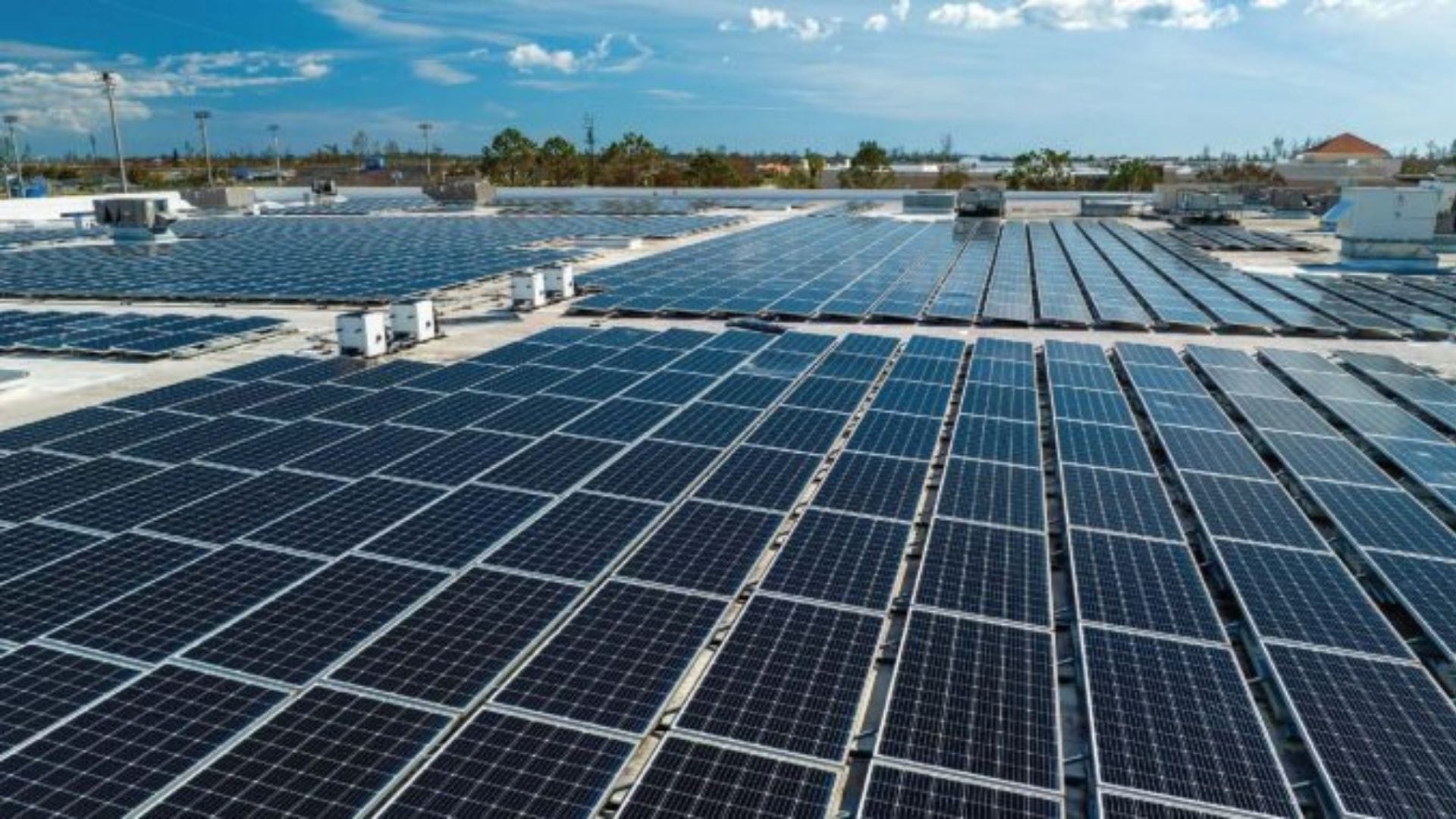
The most significant growth has been in the solar Photovoltaic (PV) sector. Domestic manufacturing capacity has seen a spectacular surge:
- Solar Module Capacity: India’s solar module manufacturing capacity has expanded exponentially, crossing the 100 GW mark as of late 2025, nearly tripling the capacity it held a year prior.
- Upstream Production: To reduce dependence on imports (primarily from China), India is aggressively developing its upstream supply chain. The launch of the country’s first ingot-wafer manufacturing facility marks a critical milestone, moving towards indigenous production of cells, wafers, and polysilicon.
2. Wind Energy: A Global Export Hub
India is a mature player in the wind energy sector, with a manufacturing capacity exceeding 20 GW for Wind Turbine Generators (WTG). The country is already positioned as a key global export hub for onshore wind components.
- Domestic manufacturers account for a significant portion of global nacelle manufacturing capacity.
- The government is urging domestic value addition in wind components to rise from current levels to as high as 85% to strengthen global competitiveness and capture a larger share of the international supply chain.
Policy Power: The Drivers of Self-Reliance
This manufacturing momentum is not organic; it is a direct result of strong government policies aimed at creating a protected and incentivized domestic market:
- Production Linked Incentive (PLI) Scheme: This flagship scheme offers financial incentives to manufacturers of high-efficiency solar PV modules for five years post-commissioning. The significant capital outlay has been the primary catalyst for the rapid expansion of solar factory capacity.
- Basic Customs Duty (BCD): The imposition of BCD on imported solar cells and modules acts as a protective shield for domestic producers, making foreign components more expensive and promoting local purchase.
- Domestic Content Requirement (DCR): Under key government schemes like PM-KUSUM and Grid-connected Rooftop Solar, it is mandatory to source solar PV cells and modules from approved domestic manufacturers, guaranteeing a baseline demand for local products.
The Roadblocks to True Self-Sufficiency
Despite the impressive progress, India’s quest for true self-reliance faces structural challenges:
| Challenge | Detail |
| Upstream Import Dependency | While module manufacturing (assembly) capacity is high, India still relies heavily on foreign imports for raw materials like polysilicon and silicon wafers. Without complete vertical integration, the country remains vulnerable to global supply chain disruptions. |
| Cost Competitiveness | Indian-assembled modules are currently more expensive than fully imported Chinese modules. Without government incentives, Indian manufacturers struggle to compete on price, making sustained long-term growth dependent on continuous policy support and increased economies of scale. |
| Risk of Overcapacity | The rapid expansion driven by the PLI scheme means domestic solar module capacity (set to exceed 125 GW) is far greater than India’s annual domestic demand (around 40 GW). This creates a risk of inventory surplus and requires manufacturers to successfully pivot to major export markets like Africa, Latin America, and Europe. |
| R&D and Technology | To move beyond assembly and manufacturing and achieve global leadership, India needs significantly higher investment in Research and Development (R&D) to match the efficiency and technological standards of global leaders. |
Conclusion: A Global Manufacturing Alternative
The answer is clear: India is building ‘Make in India’ products in the renewable energy sector. It is no longer just an ambition but an operational reality, particularly in the downstream assembly of solar modules and the manufacturing of wind components.
The next phase of this journey will be about achieving vertical integration—moving from assembling modules to manufacturing wafers and polysilicon—and achieving cost parity. If India successfully diversifies its exports and strengthens its indigenous R&D, it has the clearest potential to become the most viable large-scale alternative to the Chinese-dominated global renewable energy supply chain.