



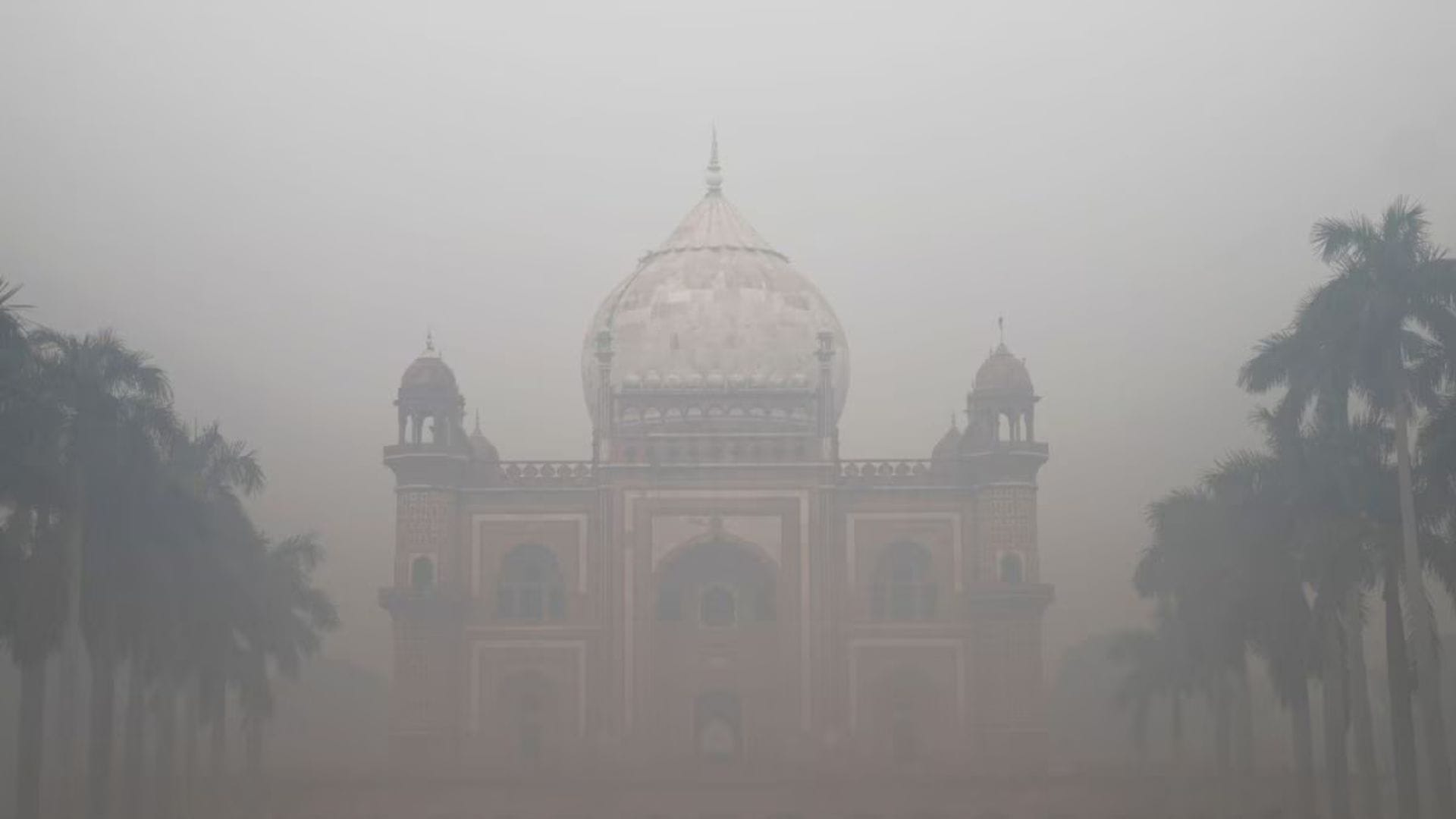



New Delhi, Delhi and the National Capital Region (NCR) received a marginal reprieve from the suffocating pollution that has gripped the region, with the overall Air Quality Index (AQI) showing a slight improvement. However, the relief is nominal, as the city’s air quality remains firmly rooted in the hazardous ‘Very Poor’ category, recording an AQI of 345 this morning, according to data from the Central Pollution Control Board (CPCB).
The latest reading marks a downtick from the preceding day, when the AQI had climbed closer to the ‘Severe’ mark, touching 391. Despite the marginal drop, the pervasive smog continues to blanket the city, prompting urgent health advisories.
The Data: Still a Public Health Emergency
An AQI between 301 and 400 is classified as ‘Very Poor,’ indicating that prolonged exposure to this air quality can cause respiratory illness. While the overall average improved, several monitoring stations in the capital continued to report alarming levels, with some zones bordering on ‘Severe’ (401-500):
- Bawana briefly registered a ‘Severe’ AQI, with readings above 400.
- Other hotspots like Anand Vihar (379), Alipur (360), and Rohini (390) all remained deep within the ‘Very Poor’ zone.
The human cost of the pollution is evident on the ground. As one resident, Rahul, shared with news agencies, the air quality is causing severe health discomfort. “Pollution is really high. This is not fog, this is pollution. We are facing breathing difficulties and eye irritation. Government must take steps,” he said, citing the combined effects of stubble burning and firecracker residue.
Government Response: GRAP Stage II Measures Continue
The marginal improvement has played a decisive role in the authorities’ decision regarding further anti-pollution measures.
The Commission for Air Quality Management (CAQM) sub-committee on the Graded Response Action Plan (GRAP) has chosen not to invoke Stage III restrictions at this time. Under the revised guidelines, Stage III is typically activated when the AQI is consistently expected to remain above 400 (Severe).
Currently, GRAP Stage II measures remain in force across Delhi-NCR. These restrictions include:
- Intensified use of water sprinklers and anti-smog guns to suppress road dust.
- Strict enforcement of dust control norms at construction and demolition sites.
- A ban on diesel generator (DG) sets for non-essential use.
- Proactive steps by the Delhi government, such as changing government office timings to stagger traffic flow and reduce vehicular emissions during peak hours.
While authorities state that the coordinated, early action has prevented the situation from escalating, environmental experts stress that the city remains one adverse weather event away from slipping back into the ‘Severe’ category.
Health Advisory
Citizens are strongly advised to take necessary precautions as the ‘Very Poor’ air quality continues to impact public health:
- Limit Outdoor Activity: Avoid strenuous outdoor physical activities, especially during the early morning and late evening hours.
- Wear Masks: Use N95 or P95 masks when stepping outside.
- Keep Windows Closed: Minimise outdoor air entry, particularly in homes with children, the elderly, or those with existing respiratory conditions.