













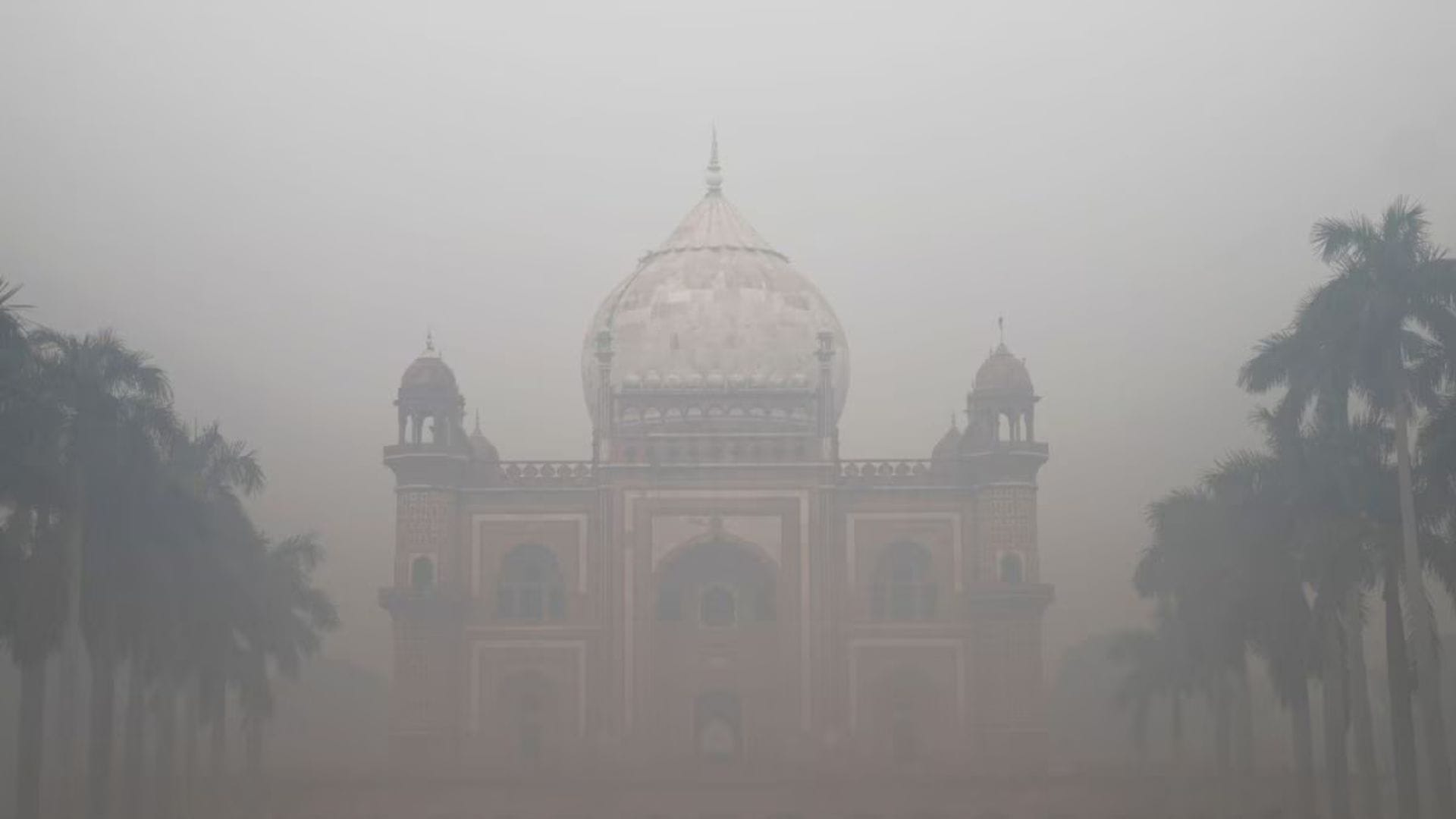


World– The world’s climate crisis shows no sign of abating, with 2025 on track to be either the second or third warmest year ever recorded, according to the latest State of the Global Climate Update from the World Meteorological Organization (WMO). This finding extends an alarming and unprecedented streak of heat, making the 11-year period from 2015 to 2025 the warmest decade since records began 176 years ago.
The report, released ahead of the annual UN climate summit (COP30), underscores the relentless human-driven heating of the planet and the immense challenge in keeping the Paris Agreement’s 1.5°C limit alive.
The Three Hottest Years on Record
The WMO confirmed that the years 2023, 2024 (the current warmest year), and 2025 will collectively stand as the three hottest years in observational history.
Despite the fact that the powerful El Niño weather pattern—which significantly boosted global temperatures in 2024—has since faded, the year 2025 continues the high-temperature trend. Between January and August 2025, the global mean near-surface temperature was measured at 1.42°C above the pre-industrial average (1850–1900).
Key Indicators Confirm Accelerating Crisis
The persistence of extreme heat is driven by record-high concentrations of heat-trapping greenhouse gases (GHGs)—carbon dioxide, methane, and nitrous oxide—which continued to rise throughout 2025. This trapped heat is rapidly transforming the Earth system:
- Ocean Heat: Ocean heat content reached and surpassed the record values set in 2024, absorbing over 90% of the surplus energy caused by GHG emissions. This is leading to severe marine heatwaves, coral bleaching, and a weakening of the ocean’s ability to act as a carbon sink.
- Sea Ice at Record Lows: The Arctic sea-ice extent after the winter freeze was the lowest on record, while the Antarctic sea ice remained well below average throughout the year.
- Accelerating Sea-Level Rise: The long-term rate of sea-level rise has nearly doubled since the 1990s, driven by the combined effect of thermal expansion from warming oceans and the melting of glaciers and ice sheets.
The 1.5°C Target: A Temporary Overshoot Now ‘Virtually Impossible’
WMO Secretary-General Celeste Saulo warned that this “unprecedented streak of high temperatures” makes it “virtually impossible to limit global warming to 1.5°C in the next few years without temporarily overshooting this target.”
UN Secretary-General António Guterres echoed the urgency, stating that every year above the 1.5°C mark will “hammer economies, deepen inequalities and inflict irreversible damage.” Both leaders stressed the absolute necessity of rapid and deep emissions cuts now to ensure temperatures can be brought back down below the 1.5°C threshold by the end of the century.
As world leaders convene to discuss climate action, the science is clear: the exceptional warming trend is no longer an anomaly but the new normal, demanding immediate, large-scale, and transformative global action.