







Operation Sindhoor 2.0: The Inevitable Response After the Red Fort Blast?
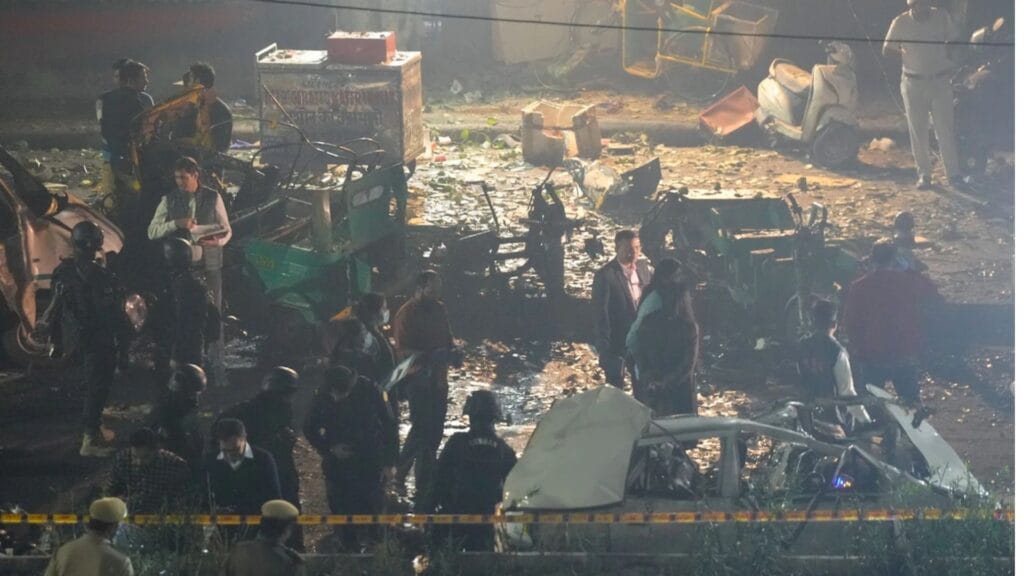
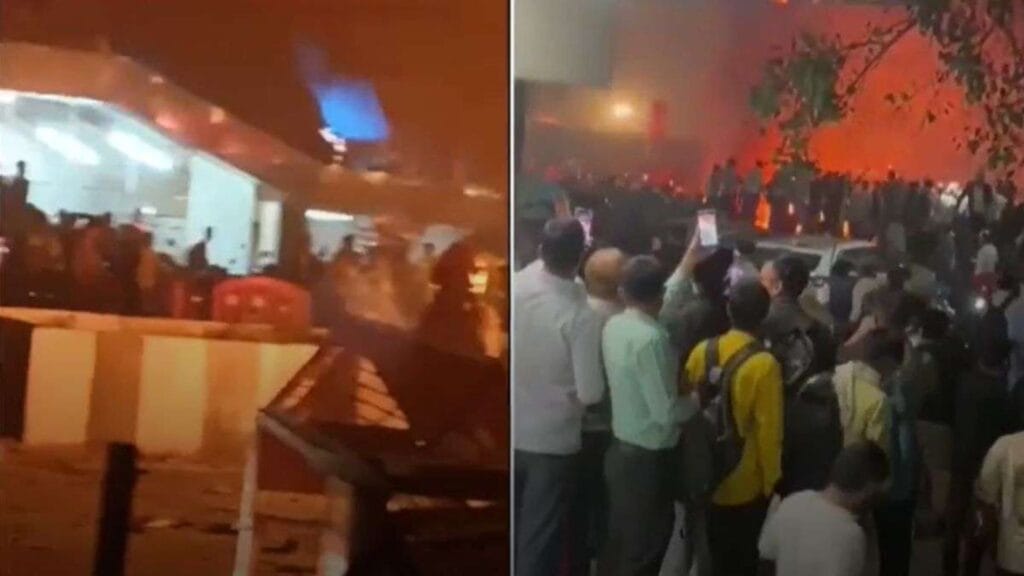
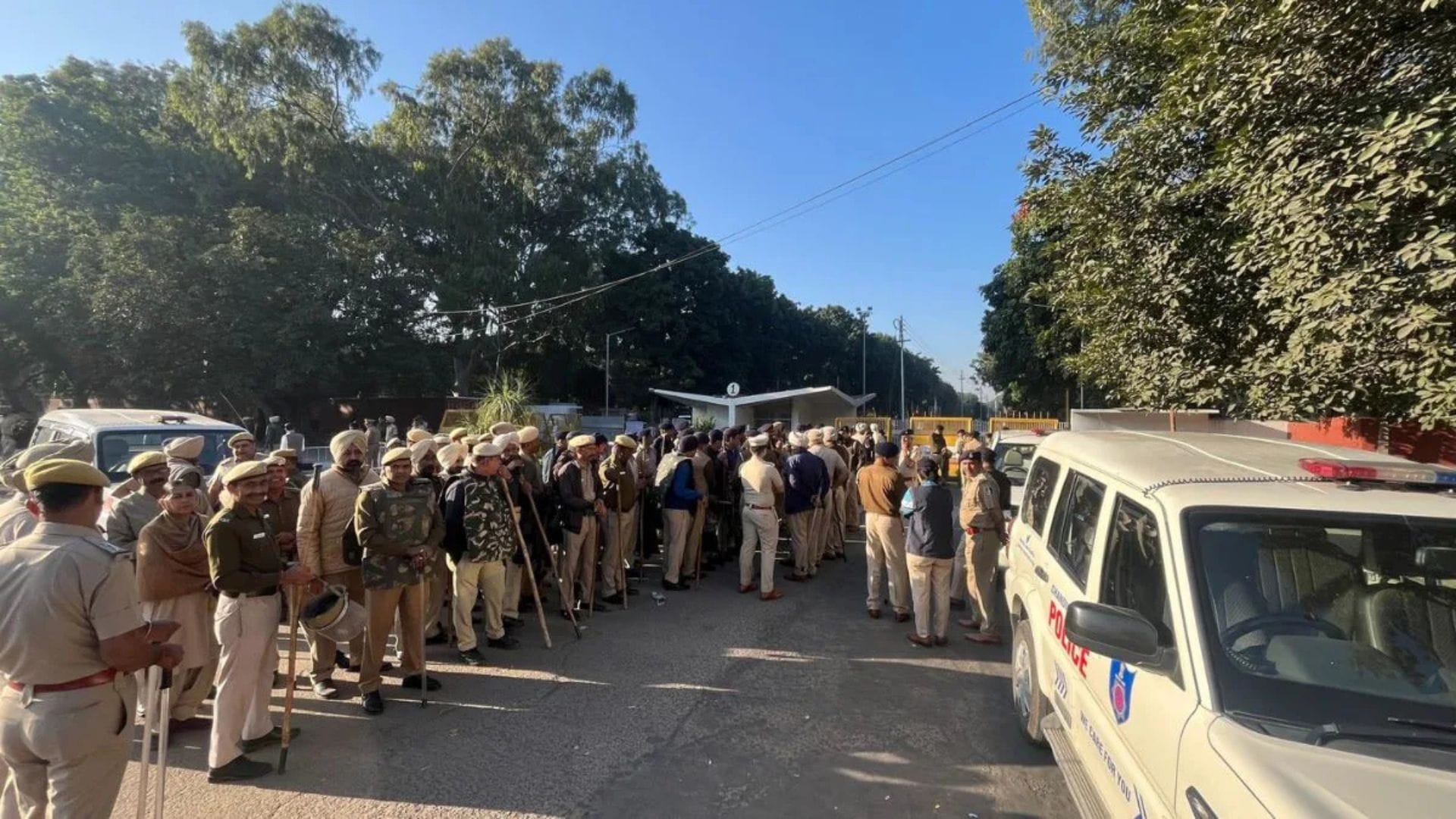
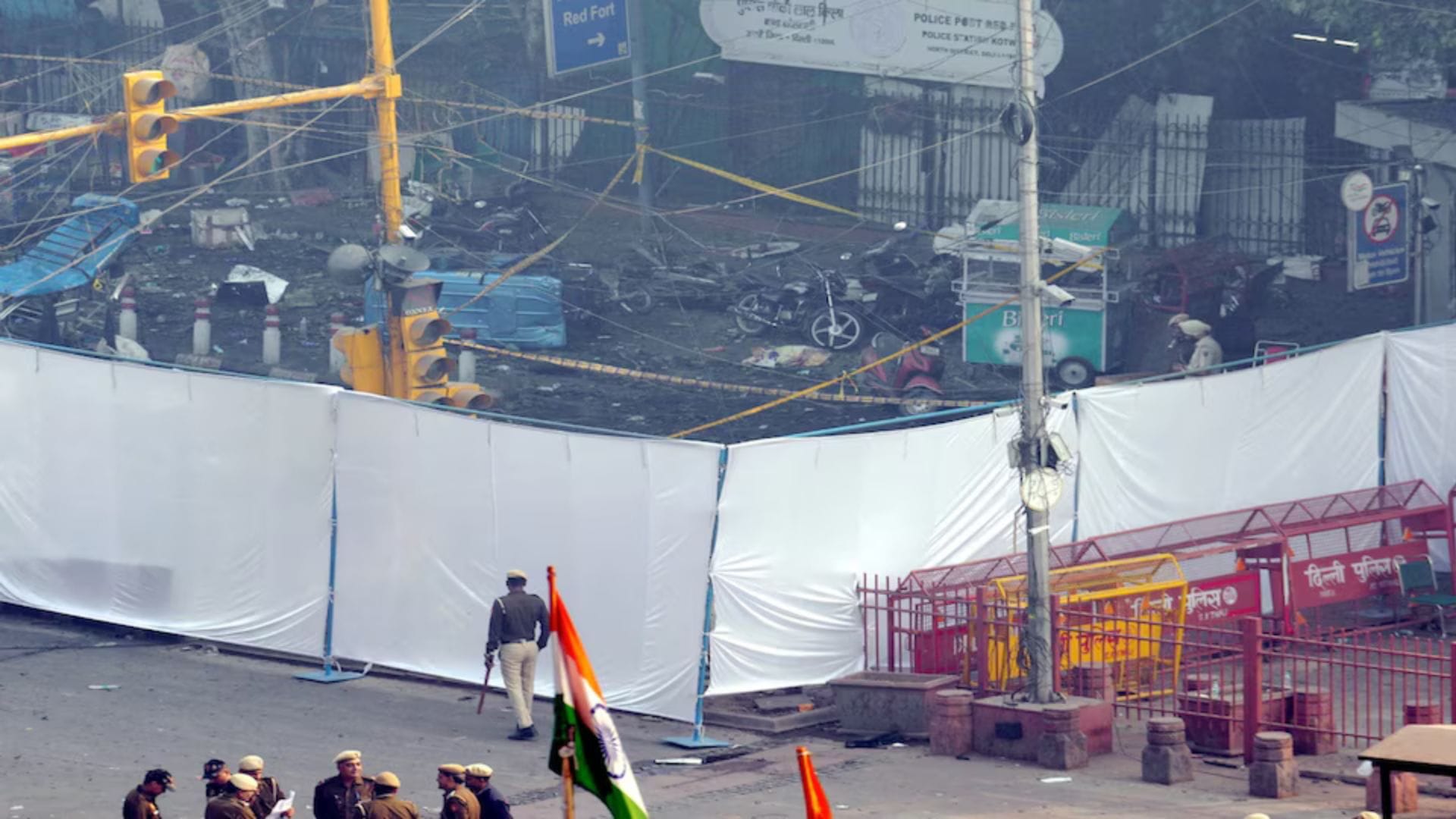
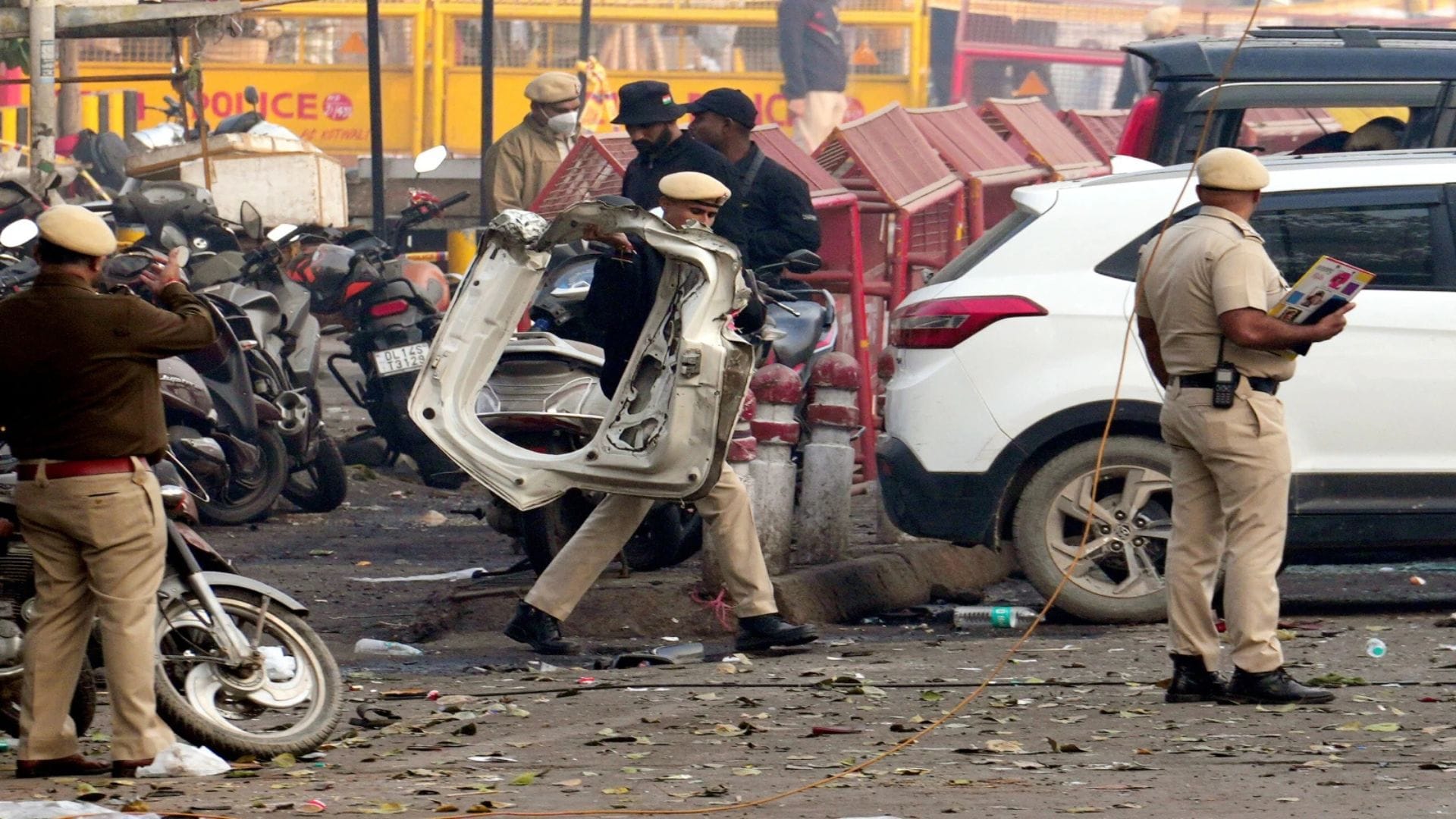
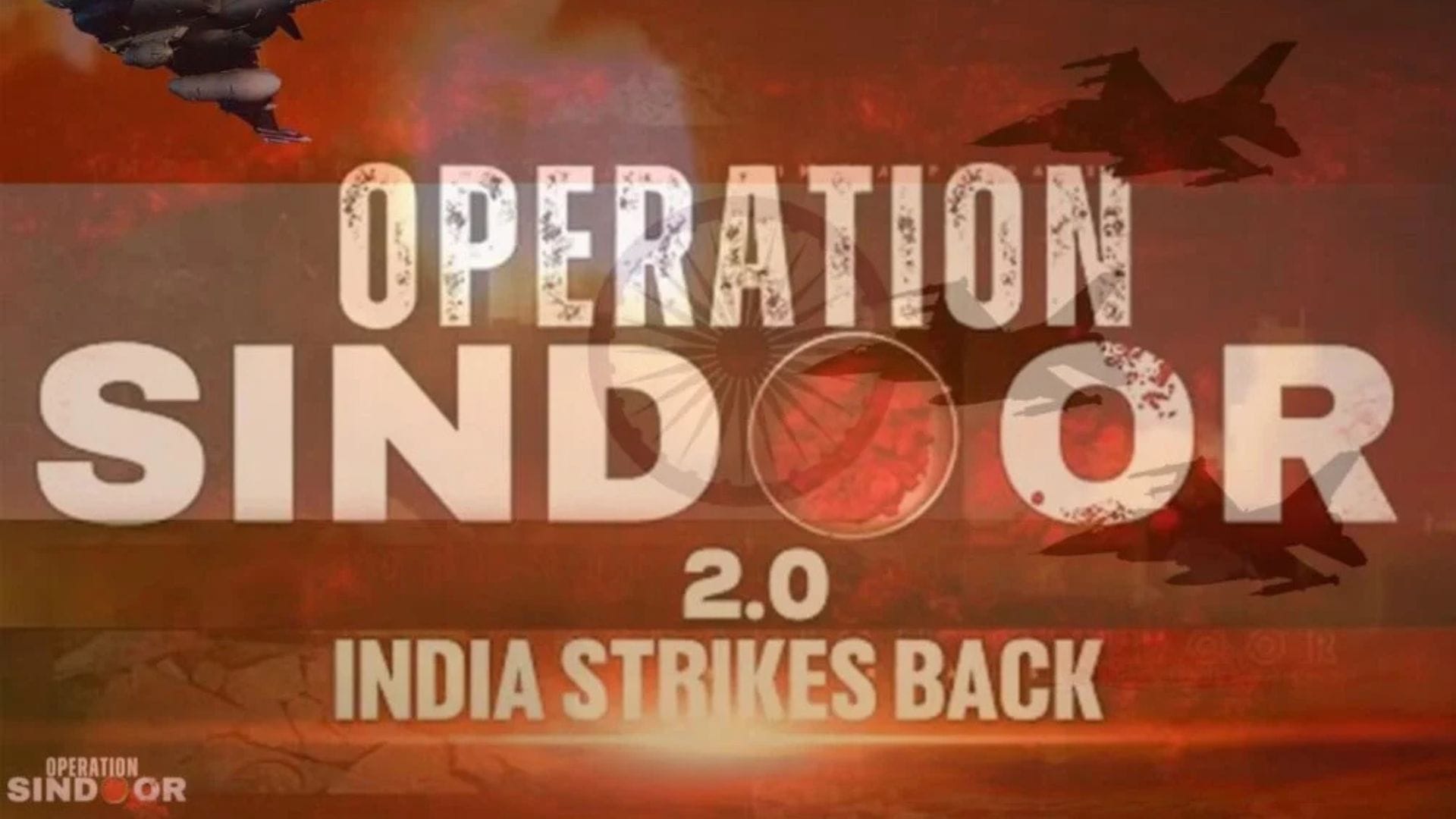
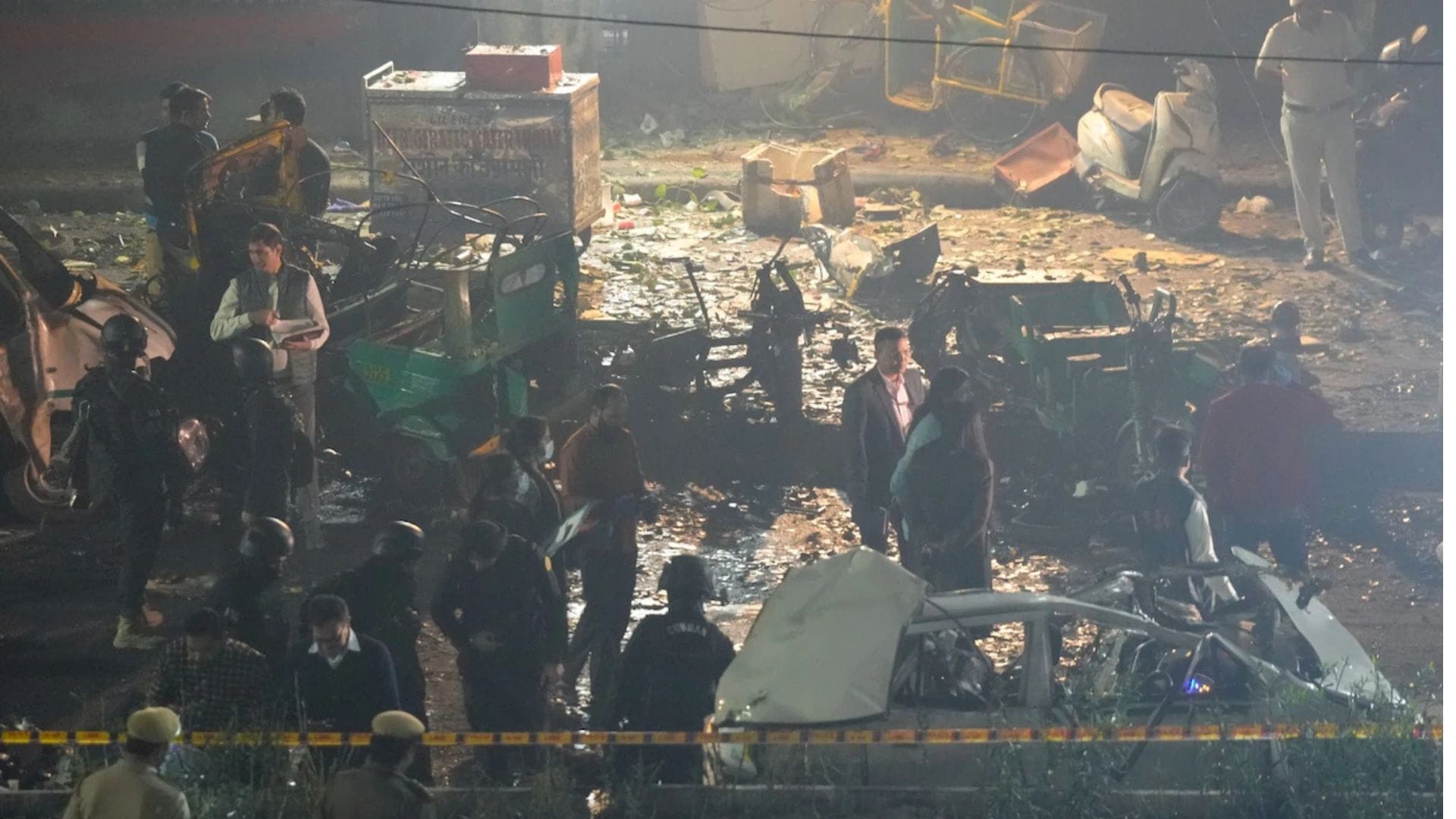
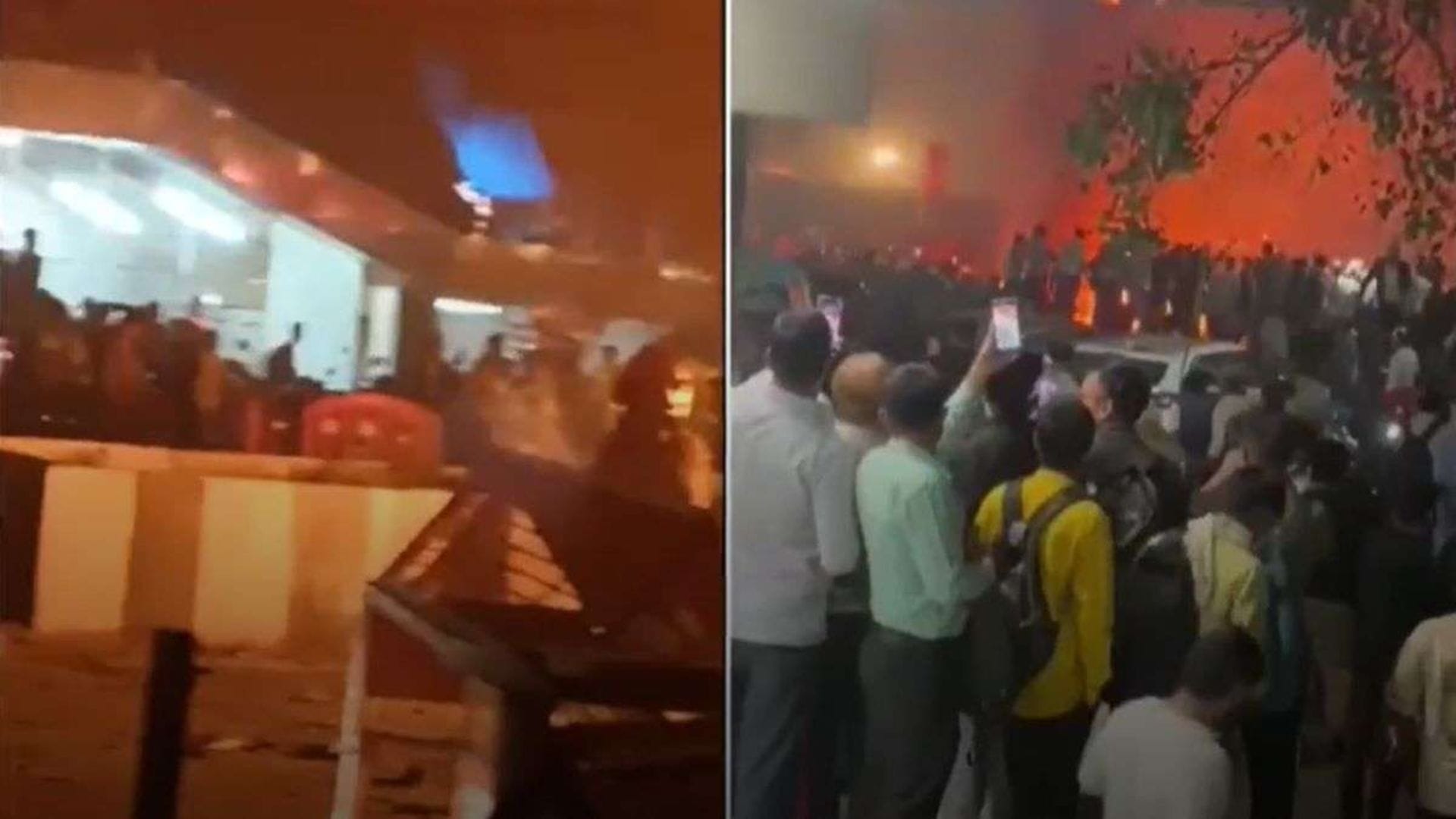
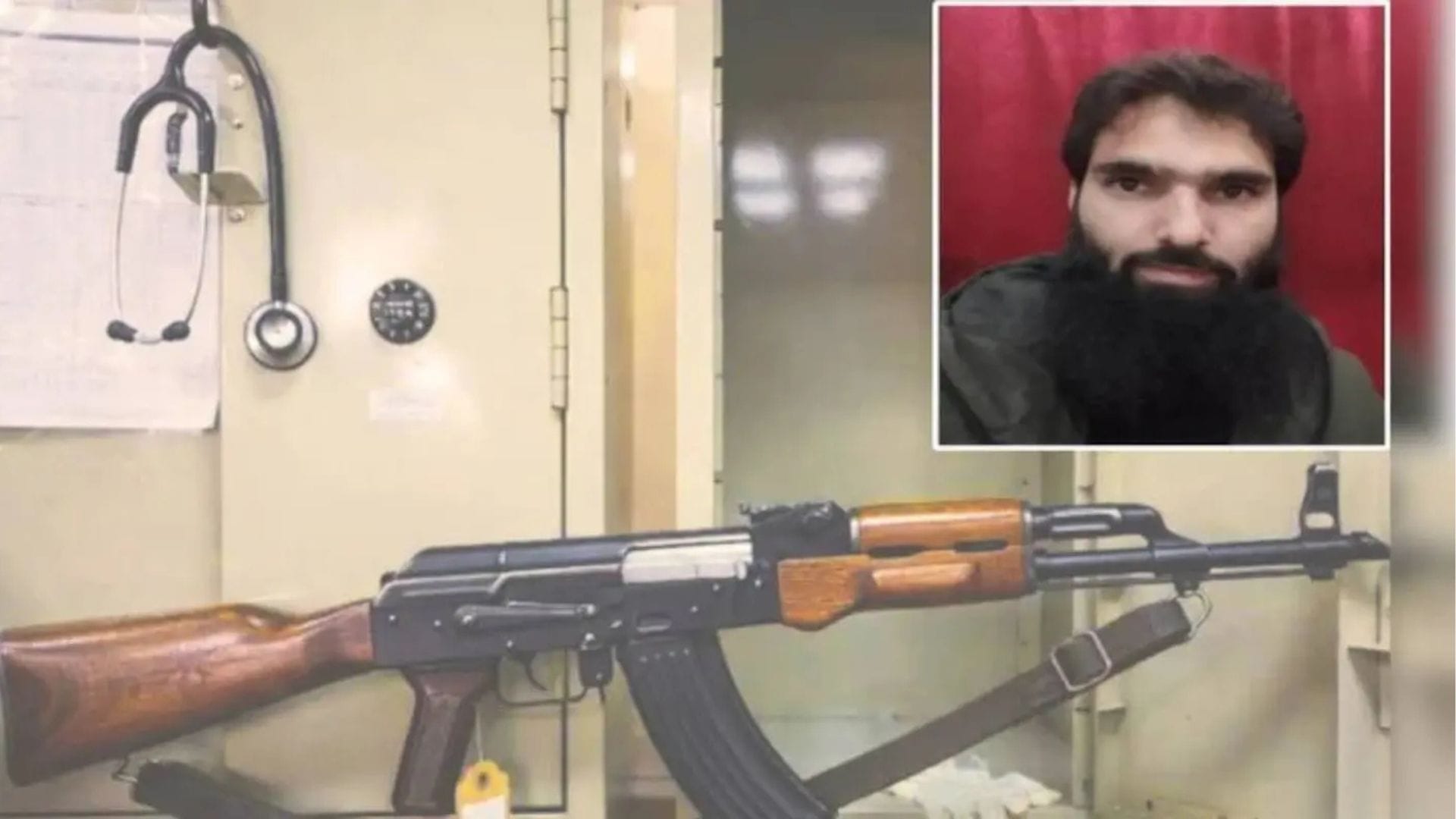
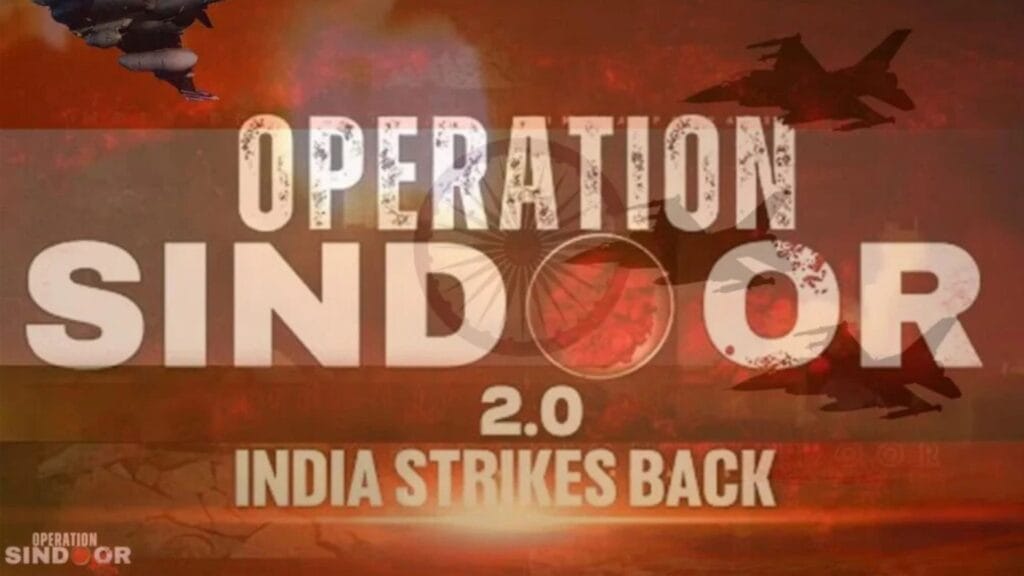
NEW DELHI—In the shadow of the devastating car blast that rocked the national capital near the historic Red Fort Metro Station, a powerful and increasingly popular sentiment is gripping the nation’s discourse: the demand for “Operation Sindhoor 2.0.” The blast, which occurred late Monday evening and is now being investigated as a possible fidayeen (suicide) attack with links to a terror module, has abruptly shattered the capital’s sense of security. With initial probes pointing toward the Jaish-e-Mohammed (JeM) and a sophisticated, ‘white-collar’ network spanning Kashmir, Haryana, and Uttar Pradesh, the calls for a calibrated, yet decisive, response from the government are escalating. What Was Operation Sindhoor? To understand the clamour for a “2.0,” one must recall the original Operation Sindhoor launched earlier this year (May 2025). Following a major terrorist attack in Pahalgam, the operation marked a significant shift in India’s counter-terrorism strategy. It was a pre-emptive, punitive, and strategically coordinated military campaign, demonstrating a “zero-tolerance” policy. Key elements of Operation Sindhoor included: Precision Strikes: High-impact air and missile operations targeting terror infrastructure and launchpads deep across the Line of Control and inside Pakistan’s territory. Tri-Service Synergy: A seamless display of coordination among the Army, Air Force, and Navy, asserting dominance across land, air, and sea. Non-Kinetic Measures: Utilizing diplomatic, information, and economic pressure, including the strong diplomatic posturing and strategic messaging that “blood and water cannot flow together.” In essence, Operation Sindhoor was a strategic statement: cross-border terrorism would no longer be met solely with border defense, but with targeted destruction of its source infrastructure. The Red Fort Blast: A Direct Challenge The horrific Red Fort blast, which resulted in significant casualties and exposed a terror network stocked with nearly 2,900 kg of bomb-making material in the Delhi-NCR region (Faridabad), is being widely interpreted as an act of retaliation and a direct challenge to the post-Sindhoor security posture. The investigation has revealed crucial links: The Faridabad-Kashmir Nexus: The car used in the blast was traced to a Kashmir-based doctor, Umar Mohammad, who is an associate of other medical professionals recently arrested for their involvement in a multi-state JeM module. Panic-Driven Attack: Sources suggest the blast was a hurried, panic-driven response by the alleged bomber after his associates were arrested and the massive explosive cache was seized, indicating the entire module was on the verge of being dismantled. VBIED Threat: The use of a Vehicle-Borne Improvised Explosive Device (VBIED) near a landmark like the Red Fort is a clear tactical escalation, reminiscent of JeM’s past attack methods. Is Sindhoor 2.0 Possible? The possibility of a second, larger military-strategic operation like Sindhoor hinges on two factors: the need for a deterrent response and the operational feasibility. The Case for “Sindhoor 2.0”: Government sources, speaking to the media, have already underscored a resolute stance: “Any act of terror would be considered an act of war against India. Operation Sindhoor is on.” This suggests that the zero-tolerance policy established by the first operation remains the active doctrine. A “Sindhoor 2.0” may not necessarily mean an immediate, carbon-copy of the 2025 air strikes, but a sustained, multi-pronged campaign focusing on: Targeted Elimination: Using intelligence and precision operations to dismantle terror command structures and launchpads abroad suspected of coordinating this specific attack. Information Warfare: Actively countering the narrative of retaliatory terror being pushed by Pakistan-based terror groups like Lashkar-e-Taiba (LeT) and Jaish-e-Mohammed. Enhanced Domestic Cleanup: Intensifying the crackdown on the “white-collar terror ecosystem” in the hinterland, neutralizing sleeper cells, radicalised professionals, and financial networks that aid these plots. The Internal Focus For now, the most visible response is a massive, coordinated internal security sweep. Agencies across nine states (including Delhi, J&K, Haryana, UP, and Gujarat) are working in synergy—a kind of domestic “Sindhoor” operation focused on intelligence and law enforcement. The arrests and the seizure of the huge explosive cache are a testament to the success of this intensified internal intelligence gathering. Conclusion: While the original Operation Sindhoor was a trans-border strategic military thrust, the post-Red Fort response, dubbed “Sindhoor 2.0” by the public, may unfold as a two-front strategy: a massive, coordinated security sweep within India to neutralize the exposed modules, backed by the implicit threat of punitive trans-border action. The Delhi blast was an attempt to provoke and retaliate. The government’s challenge now is to deliver a response that is both immediate and overwhelming, reinforcing the message that the price for cross-border terrorism will continue to be strategically crippling. The full extent of “Operation Sindhoor 2.0” remains to be seen, but the national mood demands that the response be nothing short of decisive.