


News Unwrapped

Thursday, January 15, 2026 11:01 AM
Hot News

November 2025

Panjab University Protest

From Gates to High Court: The Panjab University Protest is Now a Tense Standoff

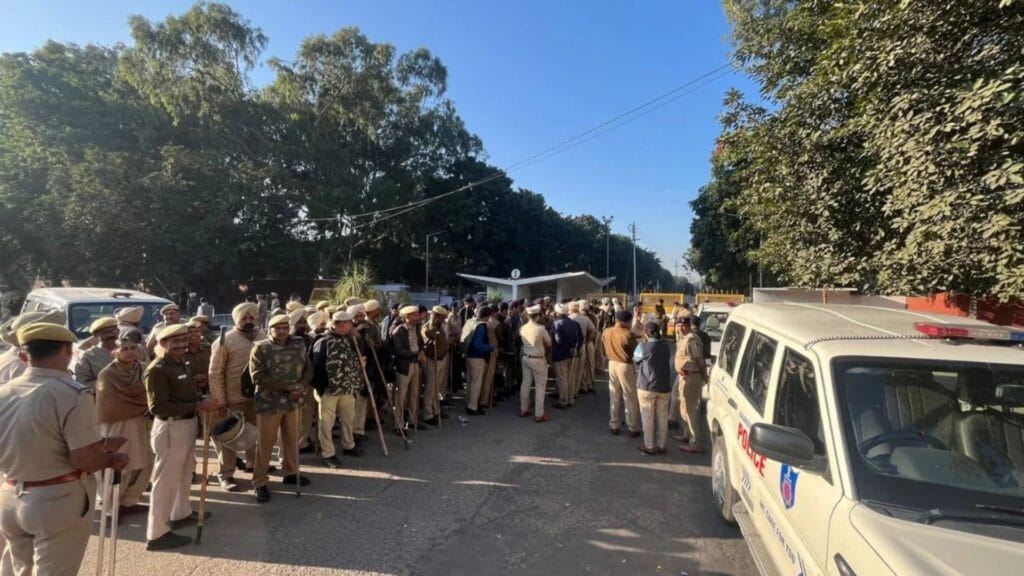
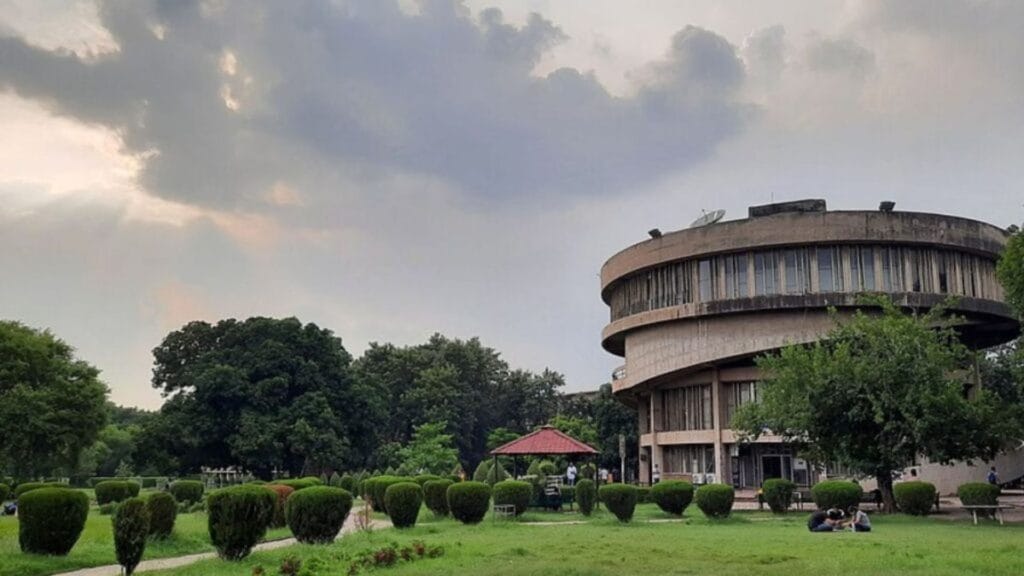
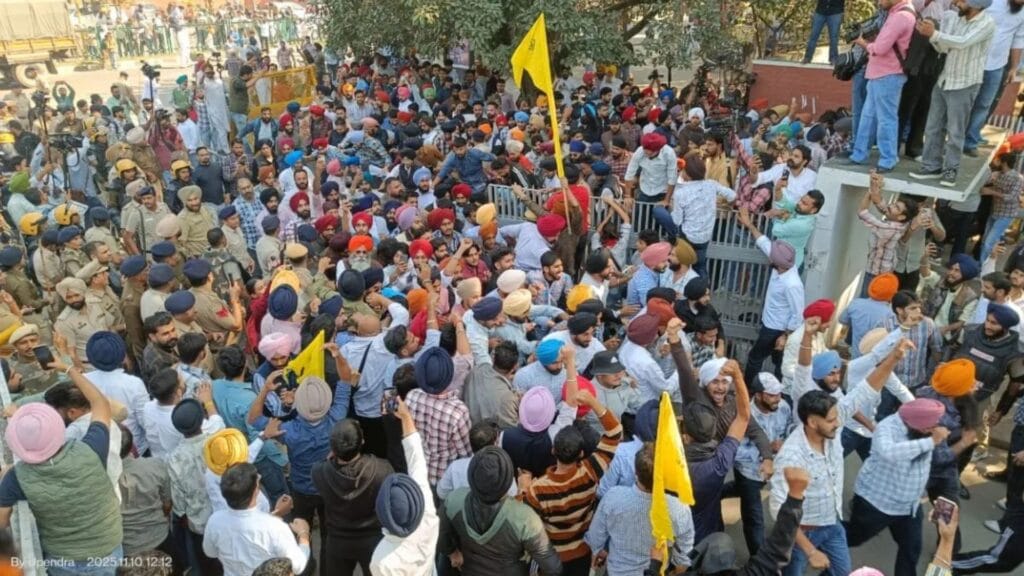
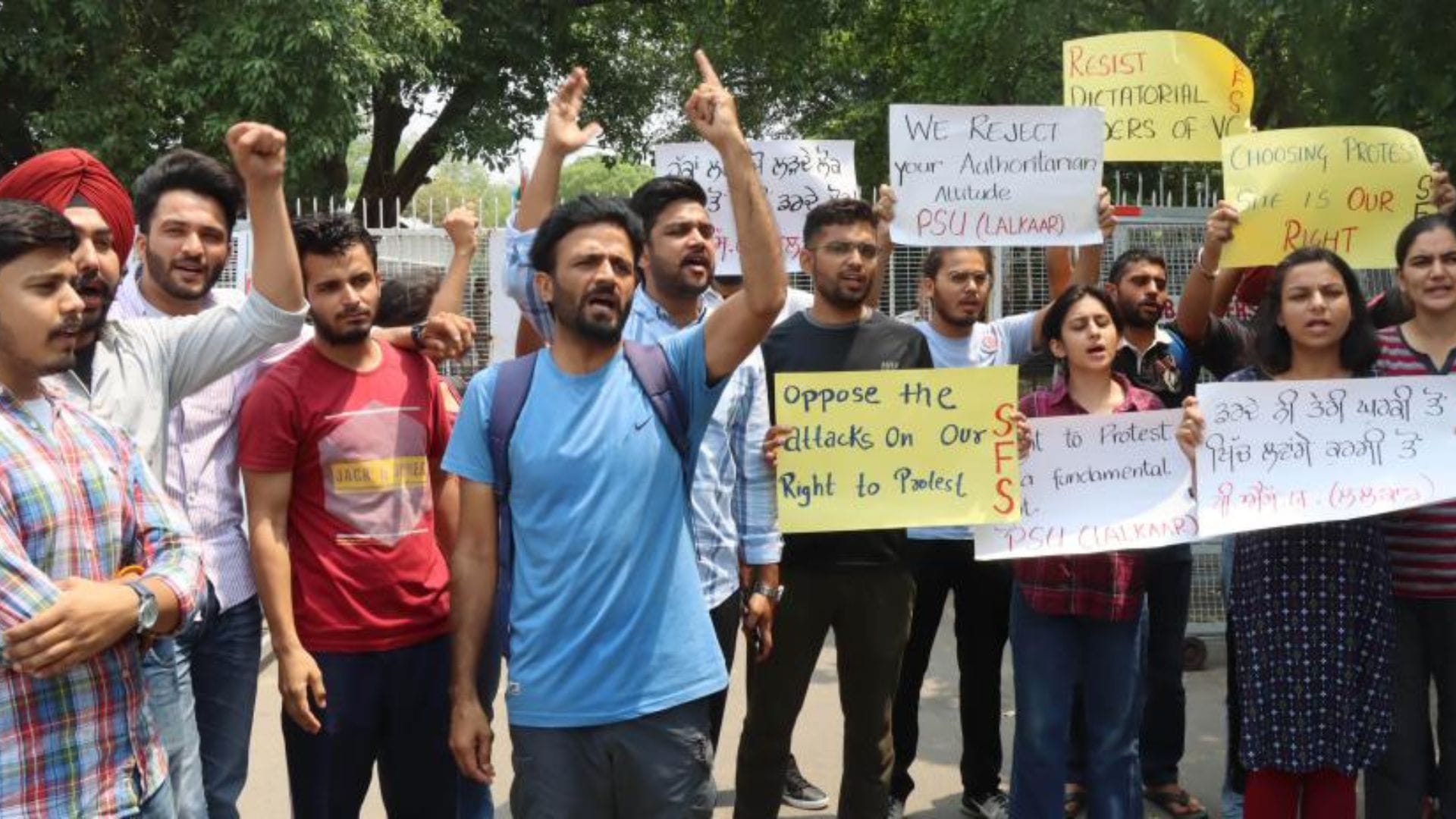
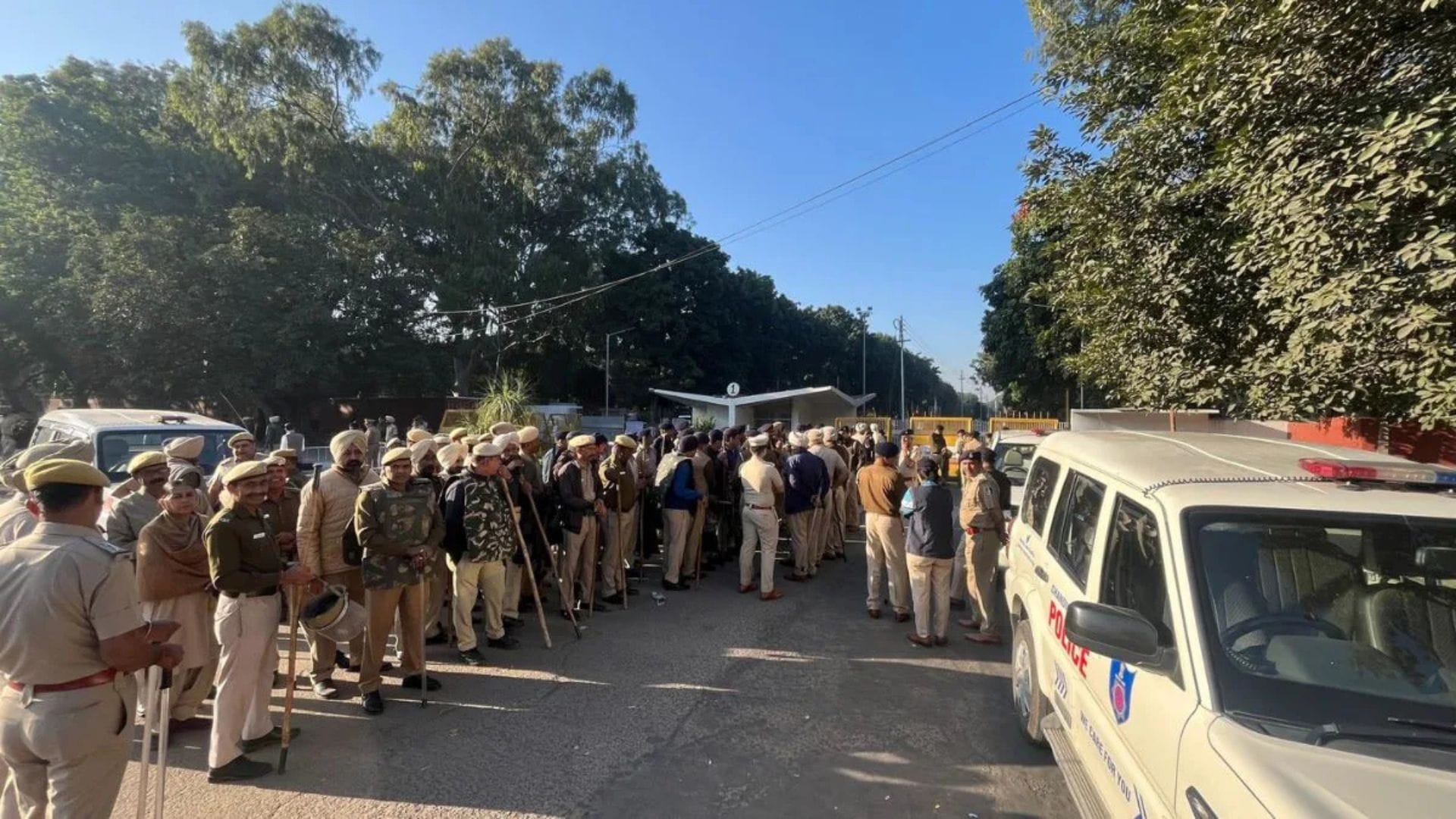
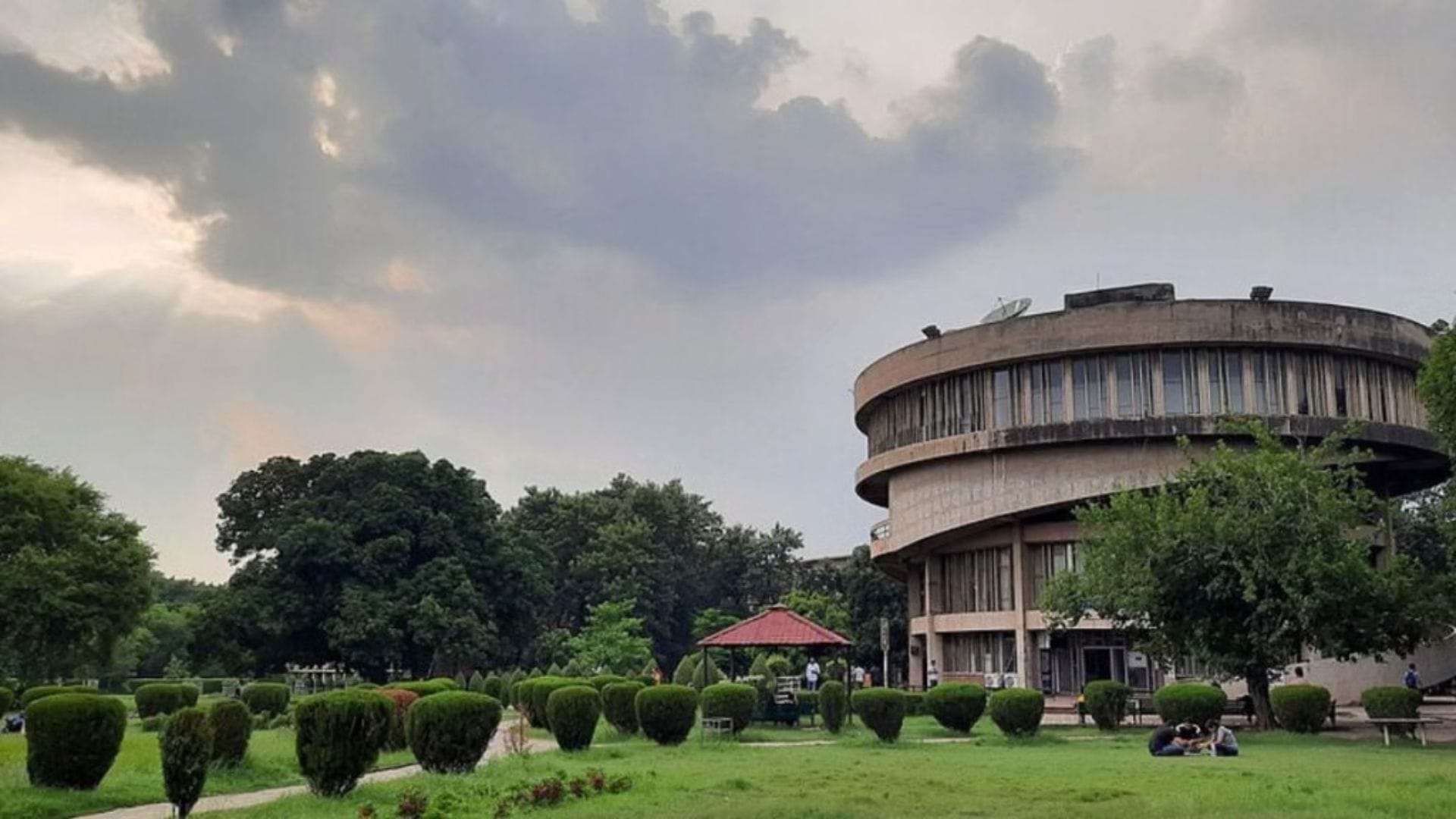
CHANDIGARH, November 11, 2025 – The fight for democracy at Panjab University (PU) has entered a new, volatile phase. What began as a student demand for immediate Senate elections escalated dramatically on Monday, spilling out of the classrooms and onto the streets, and has now found its way into the courtroom. Despite the Union Ministry of Education rescinding its controversial order to restructure the Senate last week, students and political stakeholders are refusing to back down, insisting that the government must provide a concrete date for the long-pending elections. The lack of a firm schedule has fueled a deep distrust, culminating in a dramatic ‘university shutdown’ and mass mobilization that signals a profound struggle for institutional autonomy. Monday’s Showdown: Storming the Campus Monday was marked by an unprecedented surge of protestors who broke through police barricades and scaled the main gates of the university. It was a chaotic scene where student dissent was rapidly overtaken by external political and Panthic elements: The Incursion: Led by the Panjab University Bachao Morcha (PUBM), thousands—many identified as farmers, Panthic activists, and leaders from political parties—overran the campus. The Chandigarh Police, despite heavy deployment, resorted to a brief lathicharge but ultimately struggled to contain the massive crowds. The Shift in Slogans: The Vice-Chancellor, Renu Vig, expressed outrage, stating that the protest had ceased to be about the Senate. Slogans like “Go Back, Chandigarh Police” were quickly supplemented by cries of “Panjab University, Punjab Di,” turning the governance dispute into a major political and identity issue. The Continued Agitation: Students and supporting organizations, including the Samyukta Kisan Morcha (SKM), have vowed to continue their agitation until the election schedule for the original 91-member Senate is officially announced. The Status Today: A Waiting Game As of Tuesday, November 12, the situation remains a tense standoff: Campus Security: Heavy security remains deployed across the campus, particularly near the Vice-Chancellor’s office, though normal academic activity remains impacted. The Schedule is Submitted: University authorities have confirmed that they have prepared a detailed Senate election schedule and have submitted it to the Vice-President of India, C P Radhakrishnan (the Chancellor of the University), for final approval. Students’ Skepticism: The Vice-Chancellor’s announcement has done little to placate the protestors, who recall past delays and political interference. Their unified stance is: “We want action, not promises.” Taking the Fight to the High Court The crisis has also landed in the Punjab and Haryana High Court. Two petitioners approached the court yesterday, requesting an immediate order for the university to announce the Senate election dates. Their plea warns that the continued absence of an elected Senate—whose term ended over a year ago—leaves all governing power concentrated in the hands of the Vice-Chancellor, violating the university’s democratic statutes. The High Court is expected to take up the matter soon, injecting a legal dimension into a fight that has until now been purely political. The fate of PU’s 143-year-old democratic tradition now hangs in the balance, resting between the Chancellor’s pen, the High Court’s ruling, and the continued resolve of the students on the ground.   ❓ Frequently Asked Questions (FAQ)   Q1: Why are the students protesting now, even after the Centre rescinded the restructuring order? The students are protesting because, while the Centre withdrew the controversial order (which would have reduced the Senate’s size and abolished elected seats), the university administration has still not announced the date for the Senate elections. The elections have been pending since the last Senate’s term expired in October 2024. Students view the continued delay as a deliberate attempt to undermine the democratic body. Q2: What is the Panjab University Senate and why is it so important? The Senate is the highest governing body of Panjab University. It comprises professors, principals, teachers, and crucially, members elected by registered university graduates. It is responsible for making policy, approving the budget, and safeguarding the university’s academic autonomy and democratic character. Q3: Who is currently holding up the election schedule? The university administration has submitted the proposed election schedule to the Chancellor of Panjab University, who is the Vice-President of India. The schedule requires his final approval before it can be formally announced. Q4: Which external groups have joined the protest? The core protest is led by student bodies under the Panjab University Bachao Morcha (PUBM). However, the movement has been joined by powerful external groups, including various Farmer Unions (like the SKM), Panthic outfits, and politicians from various parties, broadening the issue into one of Punjab’s administrative control over the university. Outgoing Links (Conceptual and Informative) Read More on the Centre’s Withdrawal of the Senate Notification (The Indian Express) Details on the Plea Filed in the Punjab and Haryana High Court (Hindustan Times) Vice-Chancellor’s Statement on the Senate Schedule Submission (Times of India)

bihar exit poll 2025
Bihar Elections

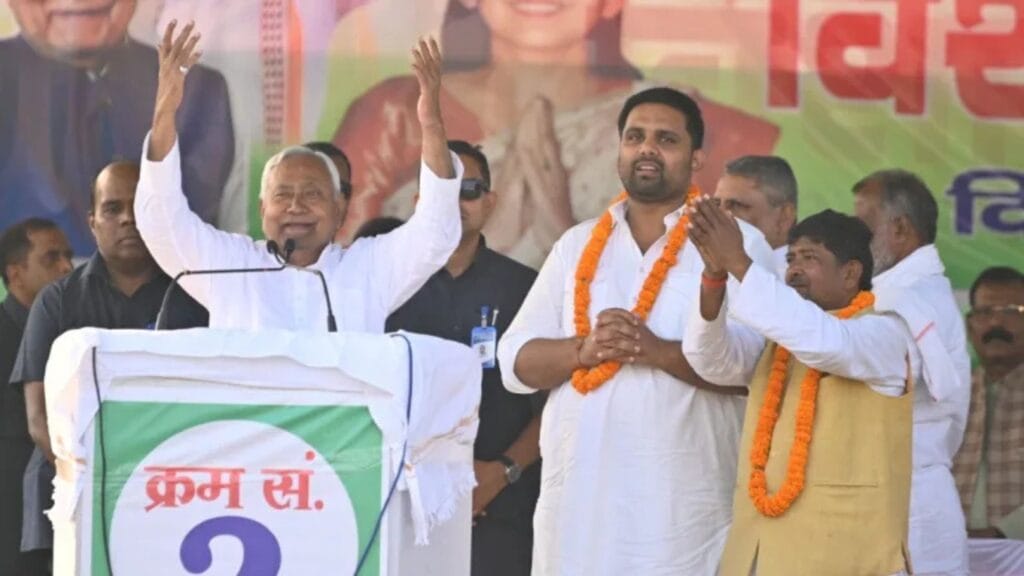
The Verdict Before the Count: Exit Polls Predict a Decisive Victory for NDA in Bihar

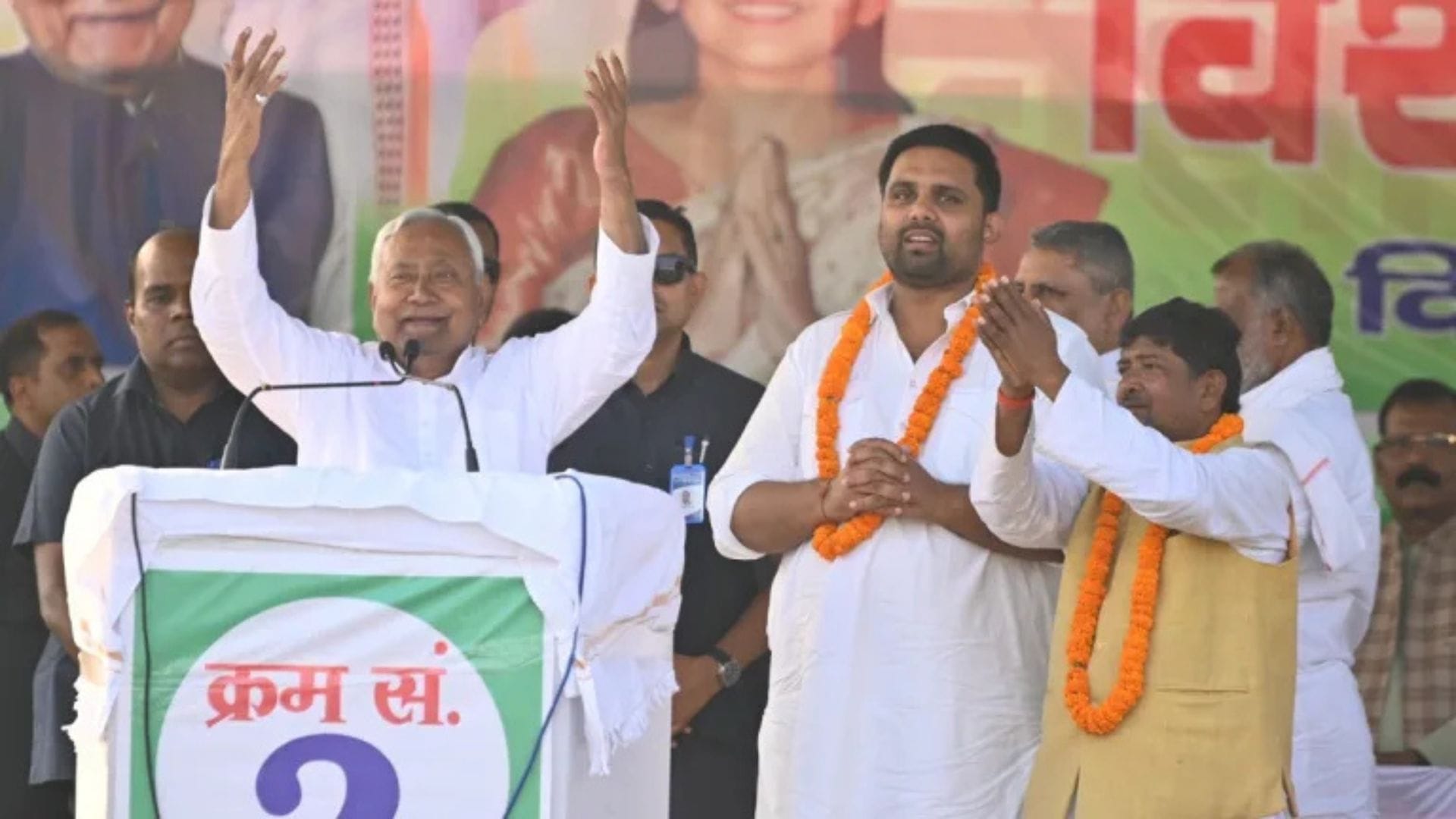
PATNA, November 11, 2025 – As the curtain officially falls on the 2025 Bihar Assembly Elections, the first big verdict is in, and it’s a shockwave across the political landscape. A near-unanimous wave of exit polls released tonight predicts that the National Democratic Alliance (NDA) is headed for a strong, comfortable majority, securing another term for Chief Minister Nitish Kumar. If these projections hold true, the massive public engagement seen throughout the two phases—including a record-high voter turnout—has translated not into a vote for ‘Parivartan’ (change), but a strong endorsement of stability and governance.   The Numbers Speak: A Poll of Polls Summary The collective predictions from major pollsters like Matrize, P-Marq, People’s Pulse, and Dainik Bhaskar place the NDA well above the 122-seat majority mark in the 243-member Assembly.1   Pollster NDA Seat Projection Mahagathbandhan (MGB) Projection Jan Suraaj Projection Matrize 147 – 167 70 – 90 0 – 2 P-Marq 142 – 162 80 – 98 1 – 4 Dainik Bhaskar 145 – 160 73 – 91 0 – 3 Chanakya Strategies 130 – 138 100 – 108 0 POLL OF POLLS (Aggregate Estimate) ~147 Seats ~90 Seats ~1 Seat Disclaimer: These are exit poll projections, which have historically been tricky in Bihar. The actual results will be counted and declared on November 14.   What Went Right for the NDA? The exit polls suggest that the NDA successfully neutralized the opposition’s primary narratives. Key factors that appear to have swung the vote include: The Women’s Factor: Poll data strongly indicates that the state’s significant women voter base—a demographic frequently credited with supporting Nitish Kumar’s social schemes (like prohibition and conditional cash transfers)—consolidated firmly behind the NDA.2 Some polls suggested women voted for the NDA by a margin of over 2:1 compared to the MGB. The Stability Pitch: In a high-turnout election, voters seem to have favoured the promise of continuity and development over the risk associated with a generational leadership change. The Modi-Nitish Combination: The organisational machinery of the BJP, combined with the ground-level influence of the JD(U), proved to be an overwhelming electoral force, leveraging the popularity of the Prime Minister and the familiarity of the Chief Minister. The Tejashwi Test: Momentum Without Seats? For the Mahagathbandhan, led by Tejashwi Yadav, the projections are a significant disappointment. Despite a spirited, high-energy campaign focused on unemployment, anti-incumbency, and development, the numbers suggest their momentum failed to translate into a winning number of seats. Interestingly, one poll suggested that Tejashwi Yadav still leads Nitish Kumar as the preferred Chief Minister candidate among voters, hinting at a strong personal image that simply wasn’t enough to overcome the structural strength of the NDA alliance. Prashant Kishor’s Muted Debut The predictions are particularly grim for Prashant Kishor’s Jan Suraaj Party. After a year of intense groundwork and a statewide Padyatra, the political debut has been largely muted, with all major polls predicting his party will win only a handful of seats, if any.3 The Bihar electorate appears to have stuck firmly to the traditional binary choices. The next 48 hours will be a tense waiting game for all parties. While the exit polls paint a picture of an NDA celebration, Bihar’s history—most exit polls in 2020 incorrectly gave the edge to the MGB—means no political leader will truly rest easy until the last vote is counted on Thursday. ❓ Frequently Asked Questions (FAQ)   Q1: When will the actual Bihar election results be announced? The official counting of votes for all 243 Assembly constituencies will take place on Thursday, November 14, 2025. Results are typically announced throughout the day, with the final picture clear by the evening. Q2: How accurate have Bihar exit polls been in the past? Bihar has a notorious history of challenging exit poll accuracy: 2020 Assembly Election: Most exit polls incorrectly predicted a victory for the RJD-led Mahagathbandhan. The actual result was a narrow but clear win for the NDA (125 seats). 2015 Assembly Election: Most exit polls predicted a very close fight or an NDA victory. The actual result was a landslide victory for the then-Mahagathbandhan (RJD-JD(U)-Congress) with 178 seats—a major miss. Due to the complex interplay of caste, community, and last-minute swings, poll predictions in Bihar must always be viewed with caution. Q3: What is the magic number for forming the government in Bihar? The Bihar Legislative Assembly has a total of 243 seats. A party or coalition needs to secure a simple majority of 122 seats to form the government. Q4: What are the main alliances fighting this election? The election is primarily a direct fight between two alliances: NDA (National Democratic Alliance): Led by the JD(U) (Nitish Kumar) and BJP, along with LJP (Ram Vilas). Mahagathbandhan (INDIA bloc): Led by the RJD (Tejashwi Yadav), along with Congress and Left parties. Outgoing Links (Conceptual and Informative) Read the Full Matrize & People’s Pulse Exit Poll Data (The Indian Express) Analysis of Past Bihar Exit Poll Accuracy (Times of India) ECI Official Website: Bihar Election Results Counting on November 14

Information Technology

Beyond the Degree: India’s Workforce Is Finally Getting Smarter as Employability Rises Amidst AI and Gig Boom

New Delhi, November 11, 2025 For years, we’ve heard the grim statistics: Millions of graduates, yet so few are truly employable. Now, the latest India Skills Report (ISR) 2026 delivers a rare piece of good news amidst the chaos of global economic shifts. The report reveals a crucial upward trend in India’s overall employability, a leap driven not by traditional degrees, but by a workforce rapidly adapting to the demands of Artificial Intelligence (AI) and the gig economy. This isn’t just a marginal bump in numbers; it’s a structural shift. The employability score—which measures the percentage of the talent pool deemed ready for the workforce—has shown significant growth, confirming that our young professionals are finally closing the skills gap that has plagued the economy for decades. The AI-Driven Skill Revolution The most significant takeaway from the ISR 2026 is that AI is not just displacing jobs; it’s creating a massive, specialized demand that Indian talent is beginning to meet. AI Fluency is the New Literacy: The report emphasizes that success in 2026 hinges on AI literacy. Sectors like Finance and Healthcare are seeing the highest demand for AI skills, with productivity rising sharply in AI-driven industries. This signals a move away from generic degrees toward targeted, practical capabilities—from mastering Andrew Ng’s Machine Learning courses to participating in Kaggle hackathons. The Power of Soft Skills: AI can handle routine cognitive tasks, but it can’t replace human capabilities. The report highlights that “soft skills”—like Critical Thinking, Problem Solving, and Emotional Intelligence—are now prioritized by over 70% of companies. This is the ultimate complementary skill set, necessary to manage teams, lead through uncertainty, and adapt to constant technological change. The Gig Economy is Formalizing Talent The rise of the gig and platform economy is the second major driver of rising employability. Once viewed as an informal stop-gap, the gig sector has evolved into a vital training ground, offering flexible, project-based work that demands immediate, practical skills. A Growing Workforce: Estimates suggest that the gig workforce is expanding dramatically, positioned to form a significant percentage of the non-farm employment sector. The Skills-First Mindset: The gig model is inherently “skills-first,” forcing workers to acquire specific, marketable competencies to stay competitive. This environment rewards continuous upskilling in areas like data analytics, cloud services, and cybersecurity, bridging the gap between theoretical knowledge and real-world application. The Challenge of Uneven Growth Despite the positive outlook, the report sounds a critical warning: The growth is uneven. While the overall employability score is up, the stark reality of the underutilization of India’s educated workforce remains a key challenge. Many graduates still end up in jobs that require significantly lower skill levels than their education, threatening long-term economic productivity. Furthermore, India’s massive informal sector needs to be formalized while protecting livelihoods, a dual challenge that requires strategic intervention. The path forward, as outlined by the report, involves deep collaboration between the government, industry, and academia to integrate practical, industry-aligned training directly into the education system. The skills report is clear: India’s demographic dividend is not an automatic guarantee of economic success. It is a time-bound opportunity that hinges entirely on how effectively we continue to pivot from focusing on the paper degree to cultivating the dynamic, AI-fluent, and adaptable human skills needed for the future of work.

Panjab University Protest

“Go Back Chandigarh Police”: Panjab University Erupts as Students Storm Campus Gates Demanding Election Date

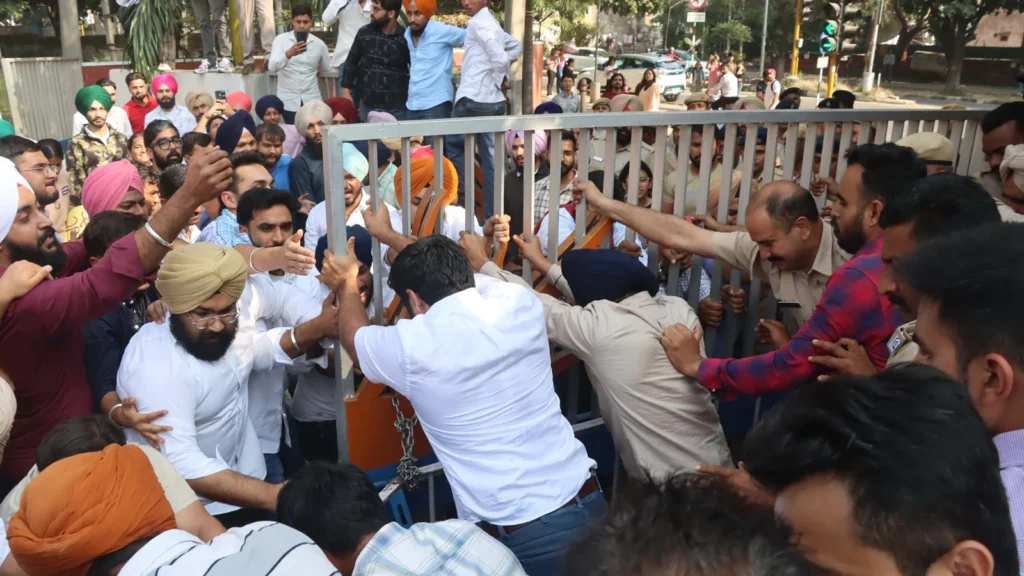
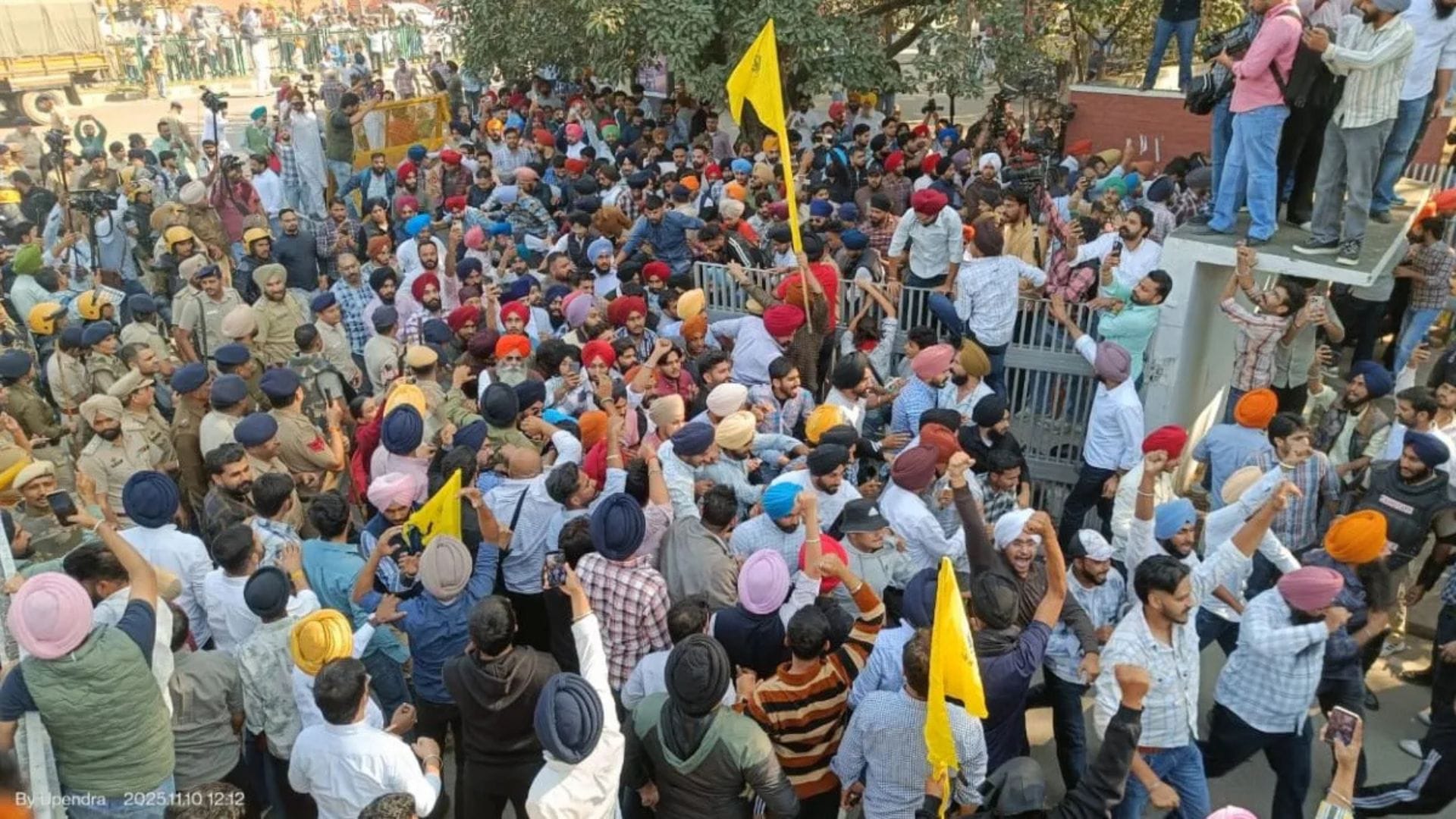
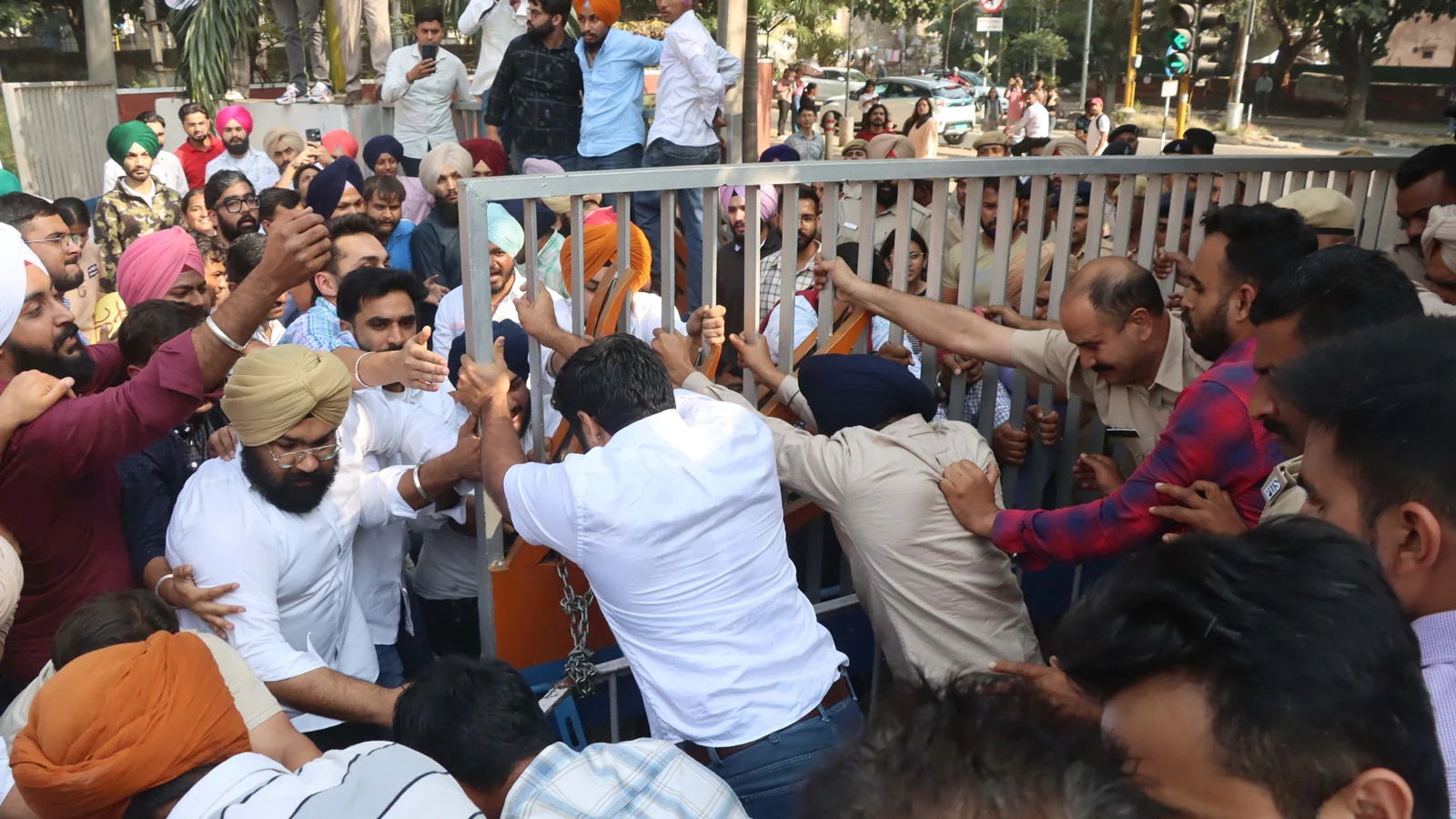
CHANDIGARH, November 11, 2025 – Panjab University (PU) was transformed into a protest battleground yesterday as thousands of students and external supporters demanding immediate Senate elections burst through police barricades, storming the campus and engaging in clashes with security officers. The mobilisation, led by the Panjab University Bachao Morcha (PUBM), was a decisive show of strength aimed at forcing the university administration and the Central government to commit to a date for the long-awaited elections.   The Breach of Gates Despite heavy deployment of Chandigarh Police and multiple layers of protection, the massive crowd proved unstoppable. Protesters, including student leaders, farmer union members, and alumni, surged past security at Gate No 1. The situation quickly escalated into chaos: Protesters mounted the main gates. They successfully tore down barricades set up by police. Reports indicate that some protestors stole police canes, which were used for crowd control. In response, a lathi charge was reportedly used by the police to eventually disperse and control the surging crowd. The chants that echoed across the campus were defiant: “Go Back, Chandigarh Police!” Protesters accused the administration of using police force to stifle a democratic movement and deny students their right to protest.   The Core Demand: An End to Election Delay The immediate trigger for Monday’s confrontation is the continued stalling of the Senate elections, which have been postponed since the previous Senate’s term expired in October 2024. The protest intensified following a series of events regarding the university’s governance: The October 28 Notification: The Union government attempted to fundamentally restructure PU’s Senate and Syndicate, proposing to drastically reduce the number of elected members and replace them with nominated officials. The ‘Half-Hearted’ Rollback: Following immense political and student pressure, the Ministry of Education twice rolled back the controversial order (on November 5 and again on November 7). The Continuing Crisis: Student groups, however, deemed the withdrawal “half-hearted.” While the old democratic structure was nominally restored, the university administration has failed to provide a firm schedule for the long-pending elections.   Administration Claims Action, Students Demand Proof In the lead-up to Monday’s shutdown, university officials made a key announcement: the Senate election schedule had been drafted and sent to the Vice-President of India, the Chancellor, for final approval under the previous 91-member structure. However, student leaders remained deeply skeptical, choosing to proceed with the protest. “We want action, not promises,” a student leader stated. Student unions have insisted that their struggle will continue until the official, public declaration of the election schedule is made, fearing that continued silence will only lead to further deliberate delay and political interference. The dramatic storming of the campus gates was clearly designed as a “decisive show of strength” to accelerate the administrative process. The confrontation at PU is now less about the Centre’s structural reforms and more about a fundamental demand for the restoration of democratic rights and accountability on campus.

Bihar Elections

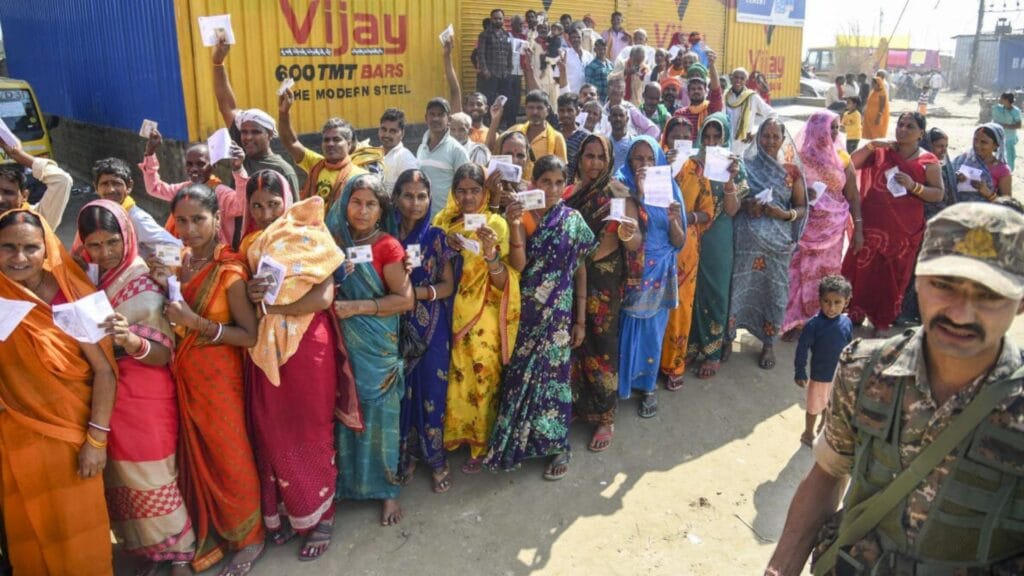
Bihar Election – Voting Surge in the Final Lap: Bihar Records 60.40% Turnout in Phase 2

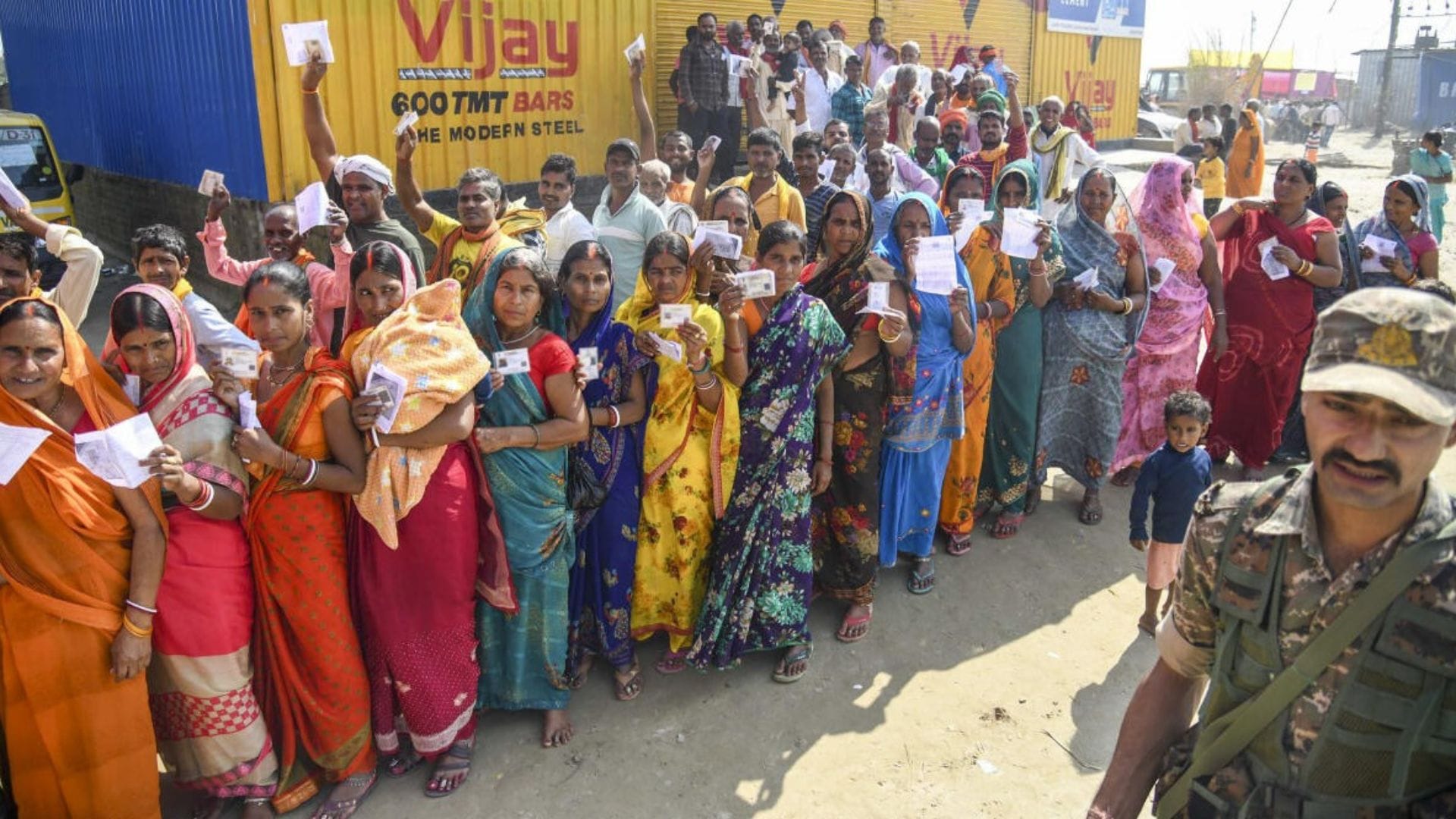
  PATNA, November 11, 2025 – Bihar’s electoral destiny is rapidly being sealed today as the state registers an impressive turnout in the second and final phase of the Assembly Elections.1 By 3:00 PM, the Election Commission of India (ECI) reported a substantial 60.40% voter turnout across the 122 constituencies in fray, indicating a strong surge in participation that could potentially surpass the record set in the first phase.2 This final stage of polling covers critical regions including the Kosi belt, Mithila, Magadh, and the politically vital Seemanchal area, where voter enthusiasm is defining the last chapter of this high-stakes contest.3 Phase 2: High Turnout Amidst Tight Security The second phase of voting, which began at 7:00 AM, saw brisk polling activity throughout the day, suggesting that the final turnout figure will be significant.4 Comparison to Phase 1: The 60.40% recorded by 3 PM in this phase is considerably higher than the 42.31% recorded by the same time in Phase 1 (held on November 6). However, Phase 1 ultimately closed with a historic 64.66% turnout.5 Analysts suggest Phase 2 is positioned to match or even exceed that figure. Seemanchal Region Leads: Districts in the Seemanchal region, with its high concentration of minority voters and intense multi-cornered contests, are driving the surge. Early trends indicated Kishanganj leading the pack, followed closely by Purnia and Katihar. Security on High Alert: Polling is being conducted under a heavy security umbrella.6 In the wake of Monday’s car blast near the Red Fort in Delhi, the Bihar Police placed its forces on high alert. The state’s international border with Nepal was sealed for 72 hours as a preemptive measure to ensure a peaceful election process.7  Key Candidates and Regions in Focus This final phase will decide the fate of 1,302 candidates and test the political strength of both the ruling NDA and the opposition INDIA bloc.8   Region Significance Key Candidates in the Fray Seemanchal Crucial region with high Muslim voter concentration; key battleground for the INDIA bloc. Bijendra Prasad Yadav (JD-U), Tarkishore Prasad (BJP), Mehboob Alam (CPI-ML). Magadh Belt Includes key urban and semi-urban seats like Gaya Town (Prem Kumar, BJP). Prem Kumar (BJP), Jitan Ram Manjhi (HAM), Snehlata Kushwaha (RLM). Mithila Region Home to several incumbent ministers. Leshi Singh (JD-U), Sheela Mandal (JD-U), Renu Devi (BJP).   The Political Stakes Both major alliances are claiming the high turnout is a vote in their favour: NDA’s Hope: The ruling alliance, led by JD(U)’s Nitish Kumar, is relying on the high turnout of women voters, a demographic often credited with supporting the CM’s welfare schemes.9 INDIA Bloc’s Claim: RJD leader Tejashwi Yadav, the INDIA bloc’s chief ministerial candidate, claims the “record voting” reflects a “big wave of change” and a public desire for “results” over “hollow rhetoric” and job creation. With polling set to continue until 5:00 PM (and for those already in queues), the political fate of Bihar for the next five years is being decided.10 The counting of votes for both phases is scheduled for November 14th.

India

The Silence and the Smoke: Red Fort Blast Was Not an Accident—It Was Terror

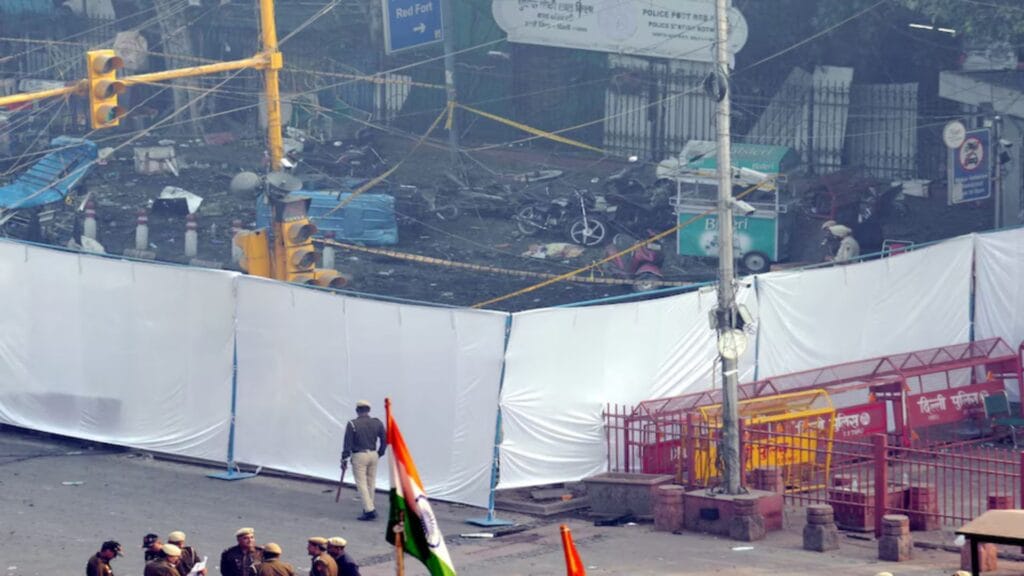
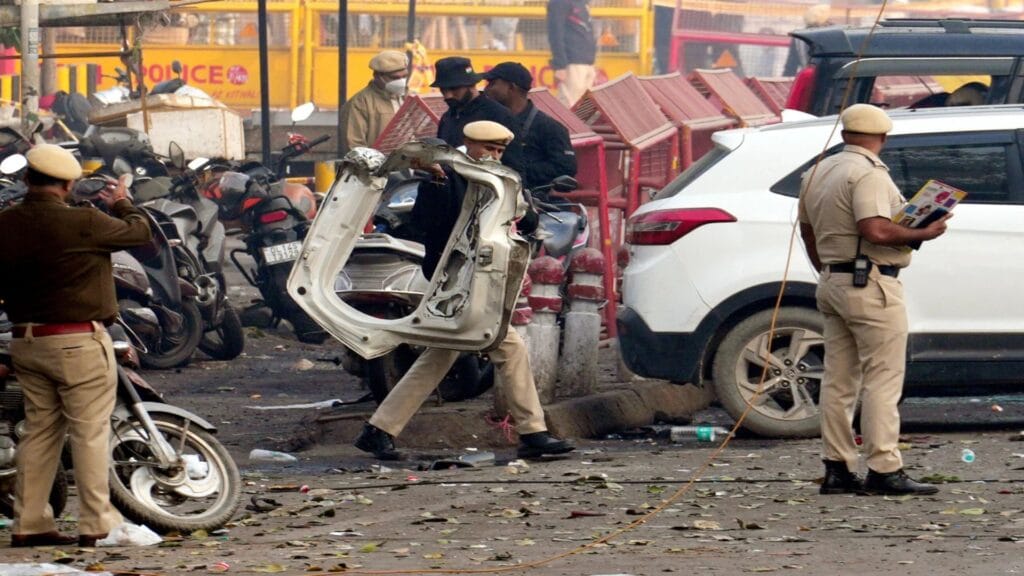
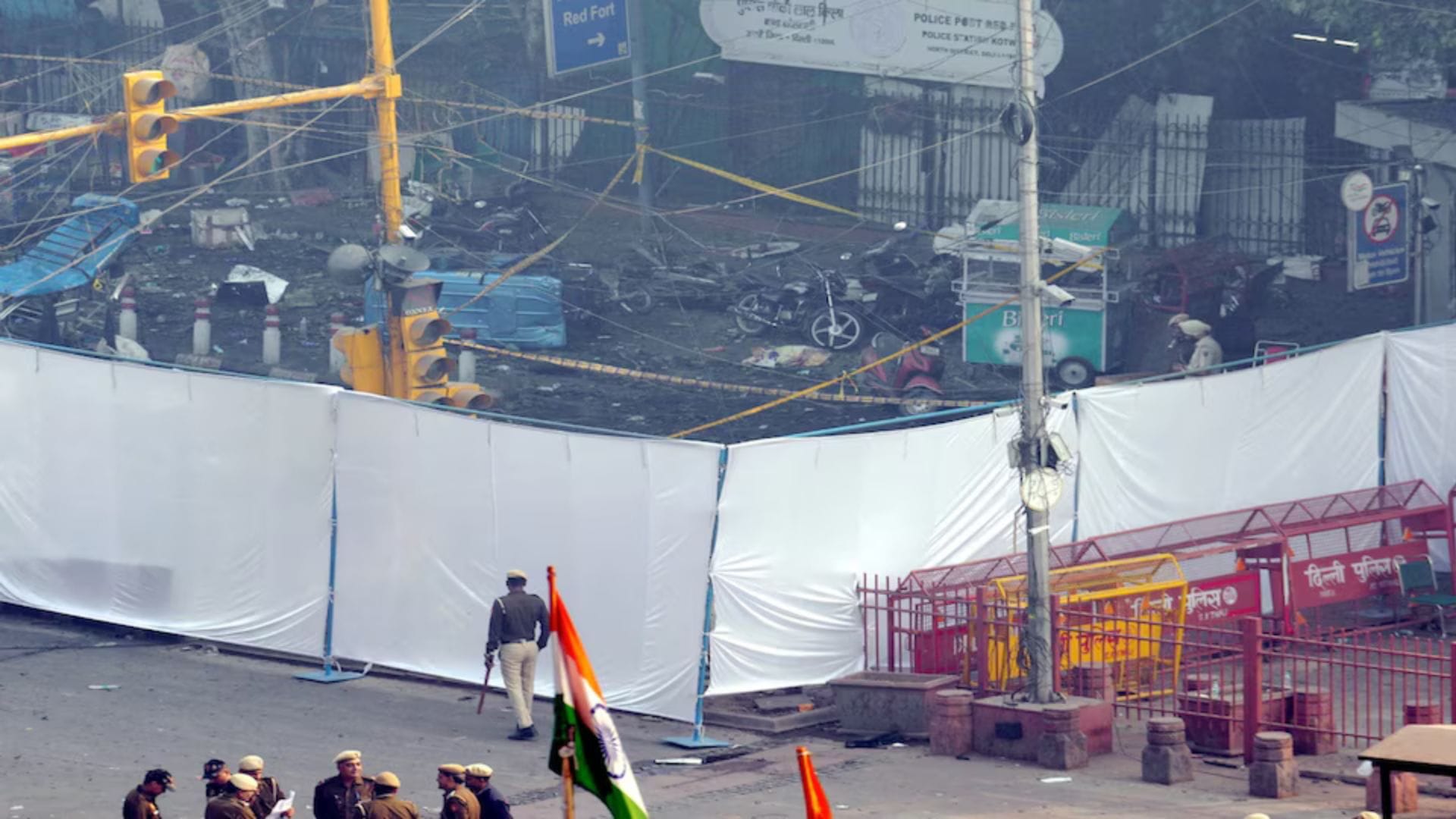
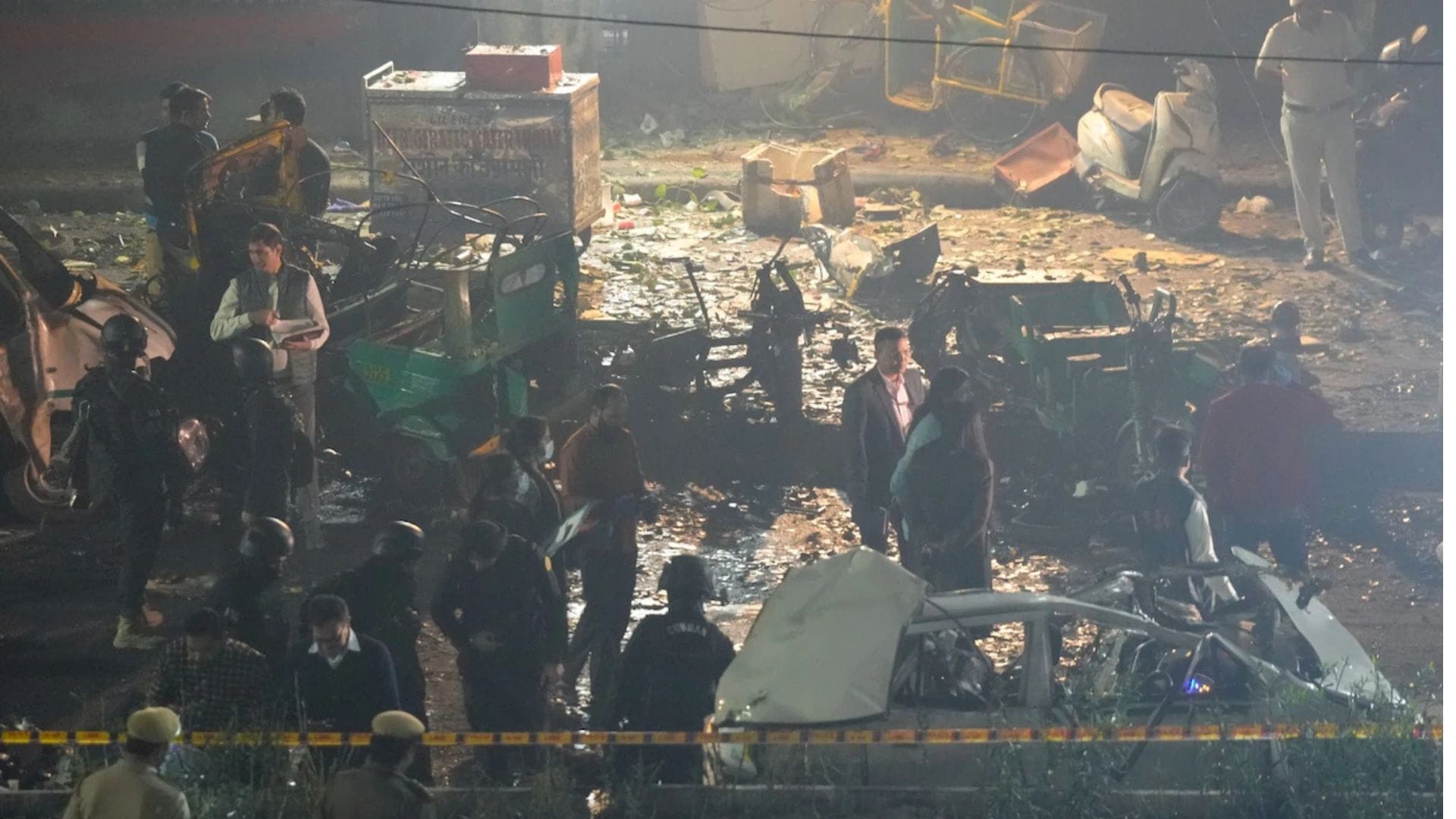
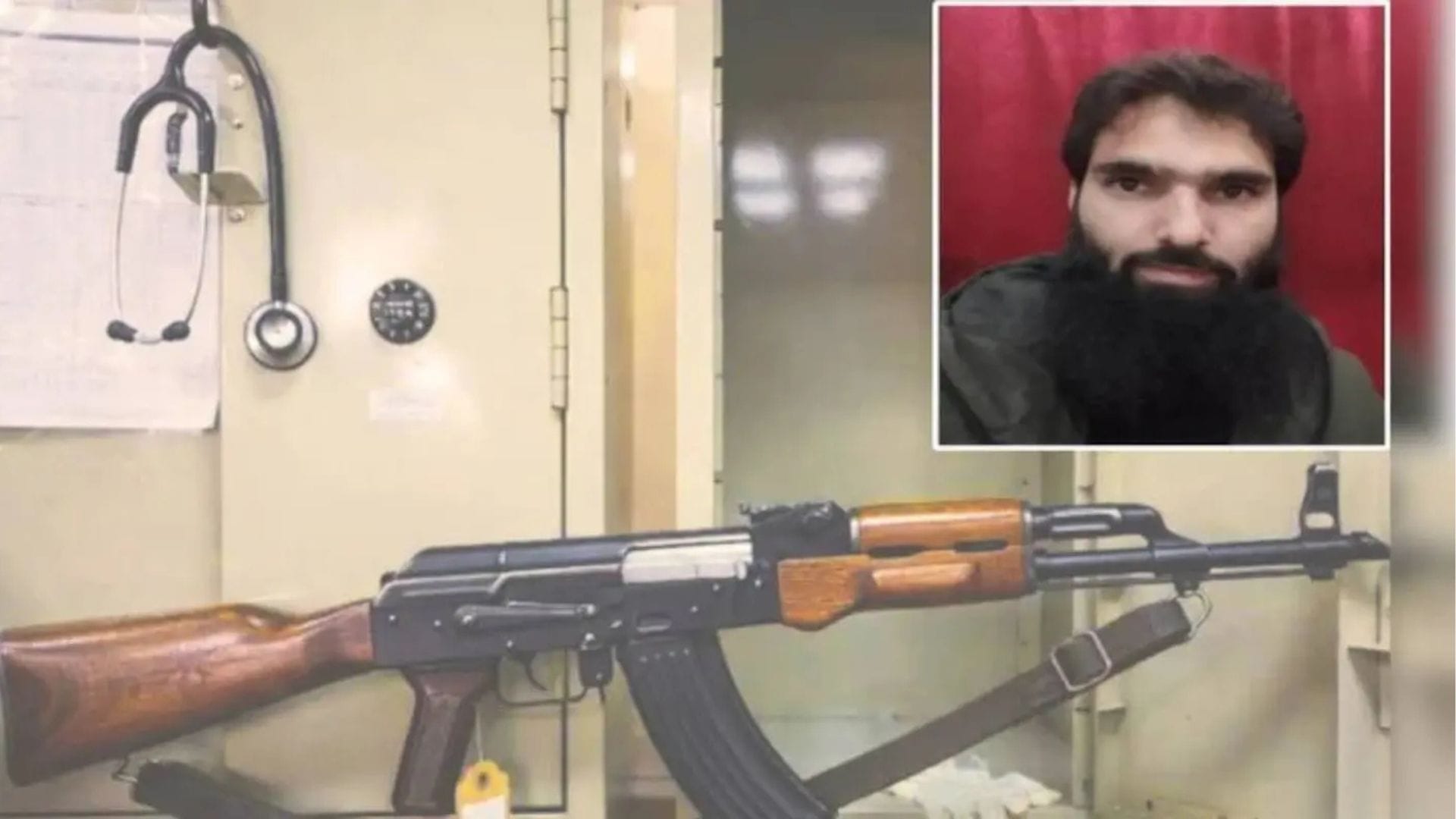
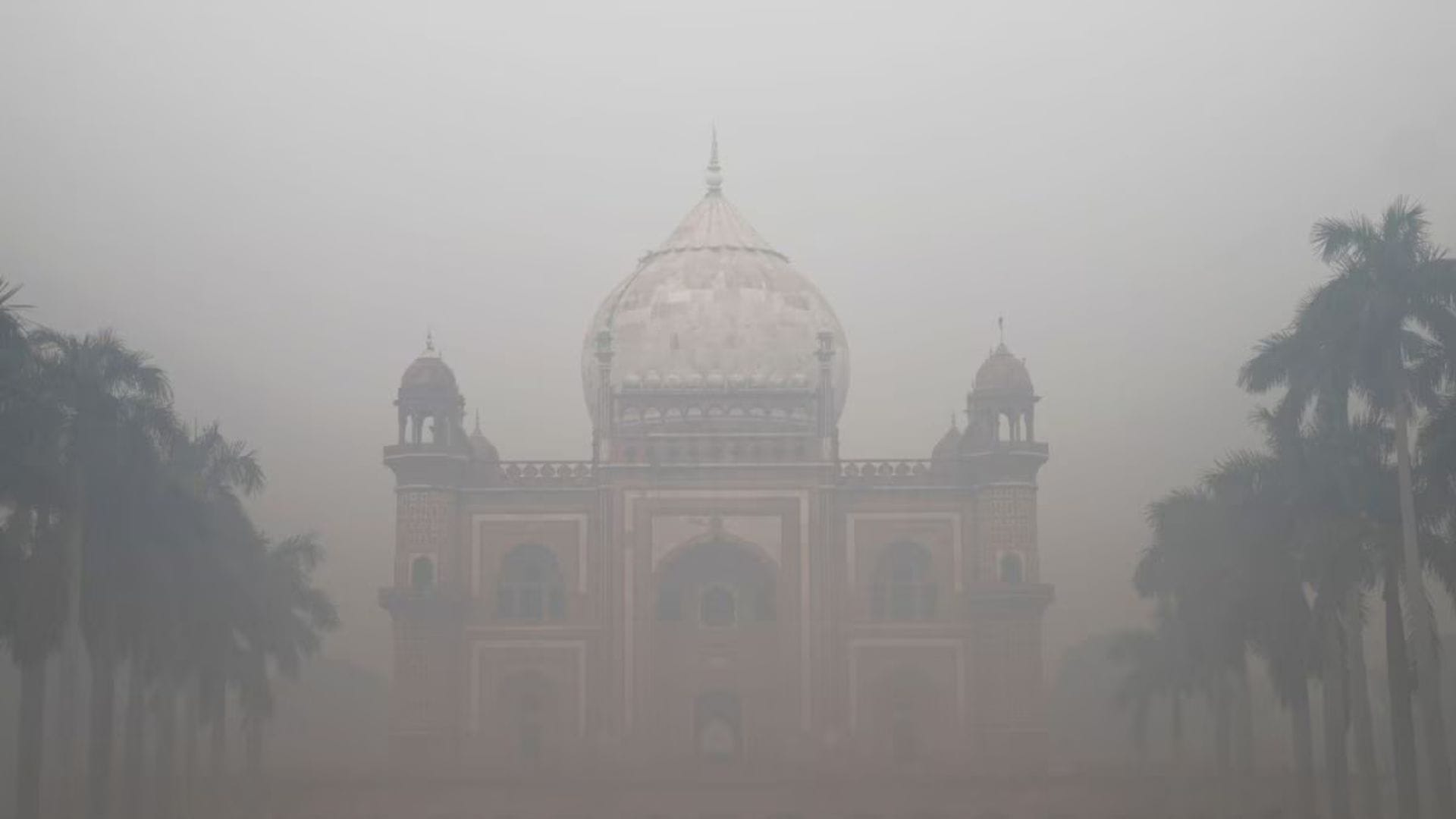
New Delhi, November 11, 2025 The official confirmation has yet to land, but on the streets of Old Delhi, the verdict is already chillingly clear: The explosion that ripped through a car near the Red Fort Metro Station was not an accident—it was terror. The sheer violence of the blast, which has now claimed the lives of 13 innocent people, shattered the capital’s fragile sense of security. As forensic teams sift through the carnage, the truth is being pieced together from a frightening trail of evidence that runs straight through a high-profile terror module recently busted in Haryana. The Union Government has wasted no time, officially handing the probe to the National Investigation Agency (NIA) and registering charges under the anti-terror law, the UAPA. This swift move confirms what citizens already feared: the ghosts of terror have returned to the capital. The Network Exposed: From Pulwama to the NCR This isn’t the work of a lone wolf. This attack is the desperate, panicked act of a network that security forces had already cornered. Just hours before the blast, a joint operation scored a massive victory against a Jaish-e-Mohammed (JeM) module operating out of safe houses in Faridabad. What they found was staggering: nearly 2,900 kg of bomb-making material, including massive quantities of suspected Ammonium Nitrate. This white-collar terror cell, chillingly, included educated professionals like doctors. The trail of the exploded Hyundai i20 led investigators directly back to this nexus, to a man identified as Dr. Umar Mohammad, a medical professional from Pulwama, J&K. The Suicide Theory: A Desperate Final Act The current working theory among intelligence officials is devastating: The Red Fort blast was a panic-triggered suicide mission. The arrested JeM module members were reportedly preparing for a series of planned attacks across the NCR. Dr. Umar, upon learning his associates were apprehended and the explosives cache had been seized, may have made the desperate choice to detonate the device he was carrying. It was not a successful “masterpiece” attack; it was a rushed, brutal final spasm of a terror plot that was already collapsing. For the 13 victims who were simply commuting or running errands near the historic Red Fort, their lives were sacrificed for a terrorist’s final, panicked defiance.   Now, We Wait for the Forensics The NIA’s immediate priority is to conclusively match the human remains found at the blast site with Dr. Umar’s DNA to confirm the suicide bomber’s identity. They are also desperately seeking traces of conventional explosives like RDX. The initial intensity of the explosion made forensic confirmation difficult, but the circumstantial evidence—the UAPA charges, the JeM link, and the connection to the Faridabad haul—is overwhelming. The city, still holding its breath under a massive security cover, waits for the final word. But for the families grieving the loss of their loved ones, the chaos, the smoke, and the subsequent official action have already spoken volumes: The Red Fort blast was a deliberate, violent act of terror, and the fight against this hidden network is far from over.

India

Red Fort Blast Aftermath: Death Toll Climbs to 13 as NIA Takes Over Probe; 7 Victims Identified

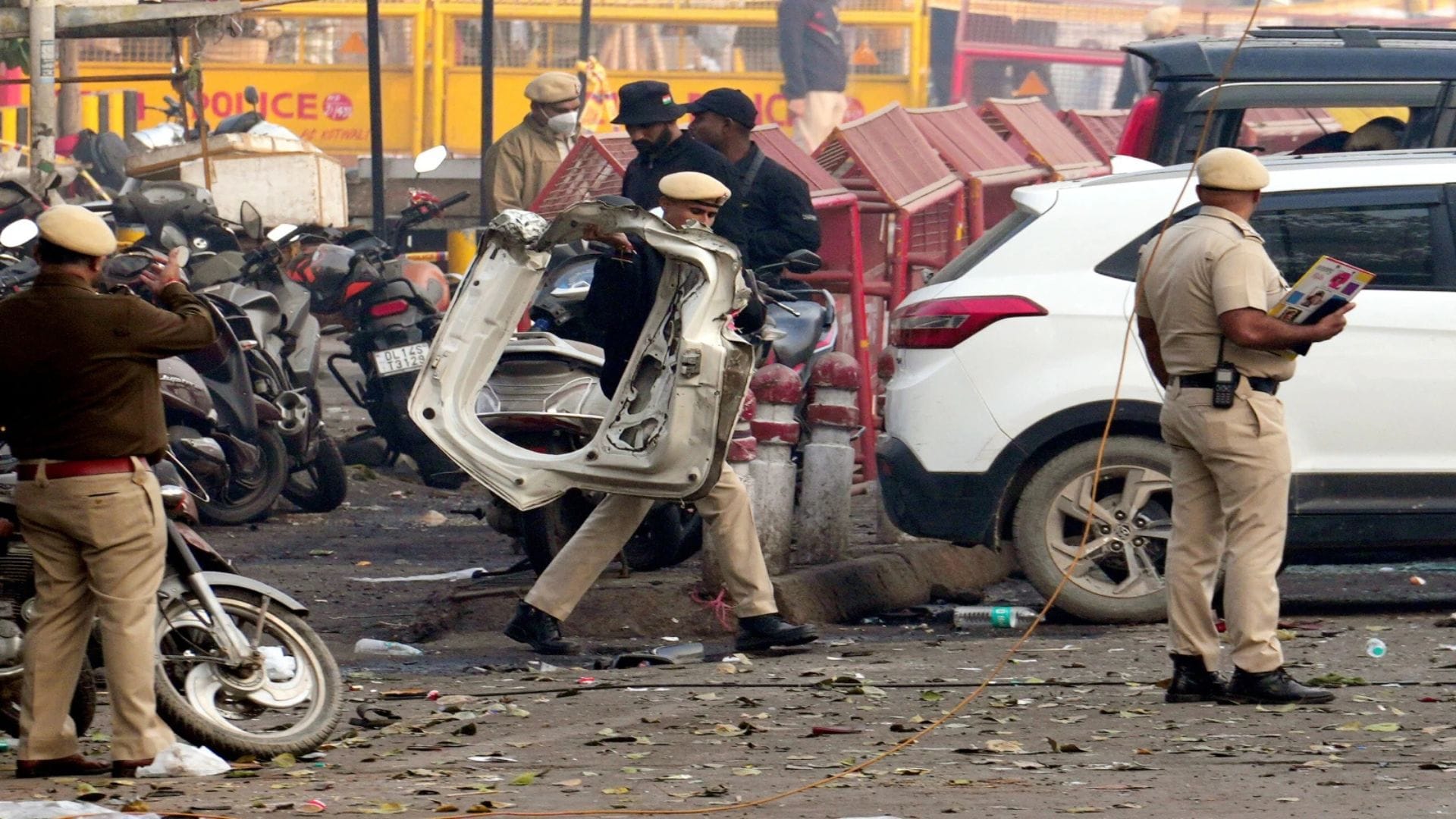
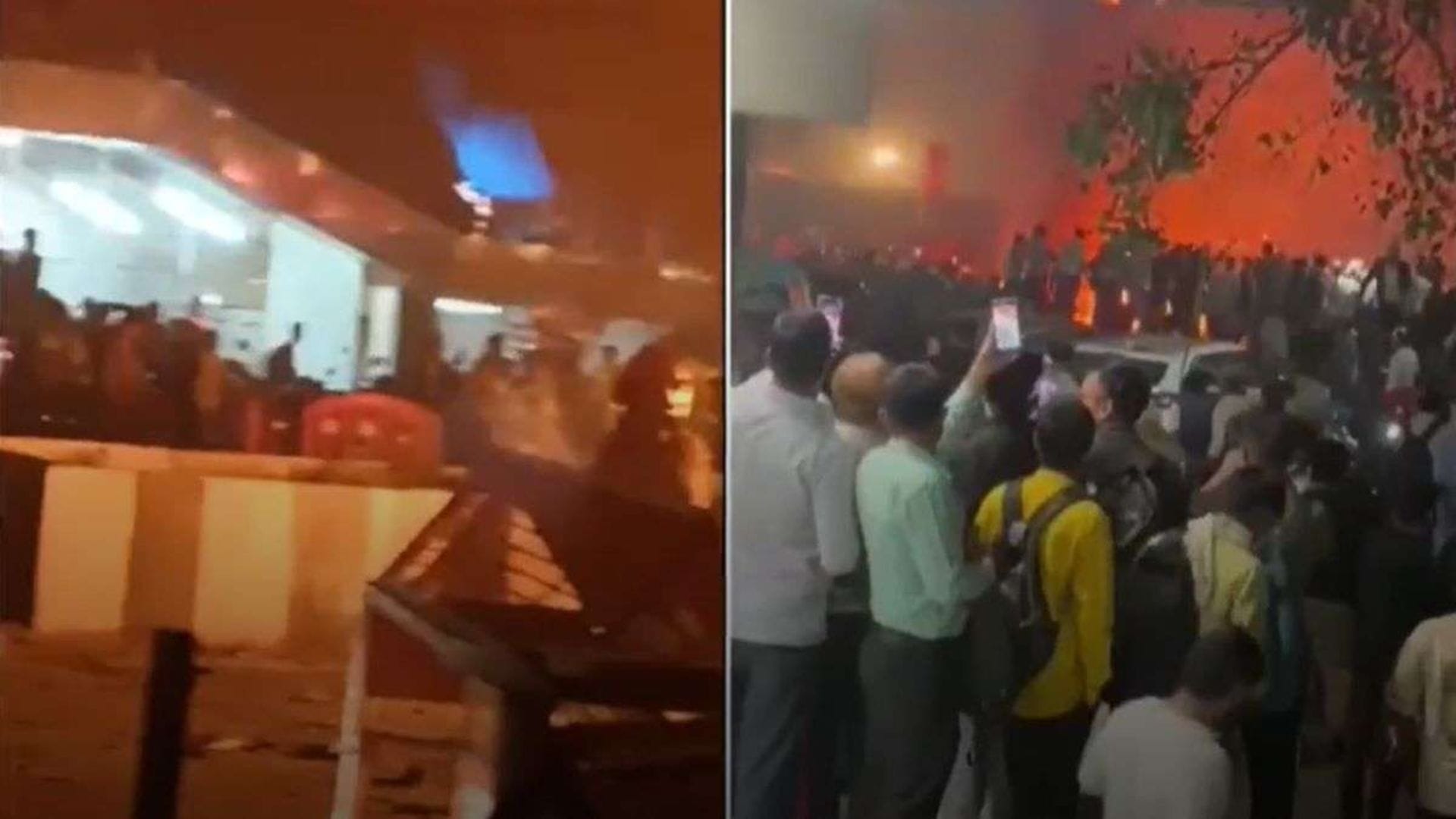
NEW DELHI, November 11, 2025 – The national capital remains under an unprecedented security blanket as the fallout from the high-intensity car explosion near the Red Fort Metro Station continues to escalate. The death toll from the Monday evening blast has tragically climbed to 13, with at least seven victims now formally identified amidst a massive recovery and investigation effort. In a significant move, the Union Government has directed the National Investigation Agency (NIA) to take over the case, confirming the high priority and suspected terror angle of the attack.   The Rising Toll and Identified Victims The explosion, which occurred at approximately 6:52 PM in a slow-moving Hyundai i20 at the Subhash Marg traffic signal, left a scene of devastation, scattering body parts up to 100 meters away. Key Updates on Casualties: Death Toll: LNJP Hospital officials confirmed the death toll has risen to 13 individuals, with many of the injured still in critical condition. Identifications: While several bodies were dismembered or charred, authorities have successfully identified seven of the deceased and are working to match other human remains. Among those identified so far are 34-year-old Ashok Kumar (from Amroha, UP) and 35-year-old Amar Kataria (a Delhi resident). The extensive list of casualties includes residents from Delhi, Uttar Pradesh, Himachal Pradesh, and Uttarakhand. Victim Demographics: The tragedy claimed the lives of both the car’s occupants and innocent pedestrians/commuters caught in the blast radius.   NIA Takes Over: Fidayeen Attack Suspected The probe has moved swiftly beyond local police to the national anti-terror agency, with the NIA registering a formal case under the Unlawful Activities (Prevention) Act (UAPA) and the Explosives Act. Focus of the Probe: Terror Links: Investigators are probing a strong link between the blast and a major “white-collar” terror module busted in Faridabad, Haryana, just hours before the explosion. Over 350 kg of explosive material (suspected Ammonium Nitrate) and arms were seized in the earlier operation. Suicide Attack Angle: Initial Delhi Police sources suggest the explosion was a ‘Fidayeen’ (suicide) attack. The primary suspect is believed to be Dr. Umar, a resident of Pulwama, J&K, who was allegedly inside the vehicle and may have detonated the device after learning his associates in the terror module had been arrested. Authorities are using DNA analysis to confirm the identity of the car’s occupants. PM’s Response: Prime Minister Narendra Modi addressed the nation, vowing that the conspirators behind the attack “will not be spared” and that a swift, thorough investigation would ensure justice. The Red Fort area has been entirely cordoned off, with the site shut down for forensic analysis by teams from the NIA and NSG. Security has been ramped up nationwide, signaling that the authorities are treating this as a massive, coordinated security threat following one of the deadliest attacks in the capital in years.

Panjab University Protest

The Hypocrisy of Absence: Why Punjab’s Top Leaders Rarely Attended the Panjab University Senate

Chandigarh: The current political storm over the Central government’s move to dismantle the democratic structure of the Panjab University (PU) Senate is not just a fight over institutional autonomy—it’s a stark confrontation exposing decades of political indifference by the Punjab government itself. While the state fiercely defends the Senate’s historic structure today, public records paint a picture of severe, almost non-existent engagement by its highest officeholders. A review of Senate proceedings over the last two decades reveals that the Chief Minister and the State Education Minister, both mandatory ex-officio members, have been consistently absent from the very meetings they are now fighting to save.   Near-Zero Attendance: A Political Habit For the past 20 years, spanning multiple administrations from different political parties (SAD, Congress, and AAP), the pattern has remained shockingly consistent: The Ex-Officio Ghost Members: The Chief Minister of Punjab and the State Education Minister are legally required to be members of the Senate. However, the minutes of Senate meetings—which occur several times a year—almost universally list these top leaders in the section detailing members who “could not attend the meeting.” The Rarity of Presence: Attendance by a sitting Chief Minister is considered extremely rare, if not entirely absent, over the last two decades. The same holds true for the Education Minister, whose representation is often delegated to a senior bureaucrat or, more often, is entirely absent. The Bureaucratic Band-Aid: Only senior administrative officials, such as the Director of Higher Education (DHE), show sporadic attendance, demonstrating a lower-level administrative link rather than a commitment from the state’s political leadership. The prevailing trend confirms that these top-level Senate seats were treated as purely ceremonial, lacking any active political commitment from the state’s leadership.   The Cost of Apathy: Losing the Moral High Ground The absence of Punjab’s political heavyweights has had a profound impact, weakening the state’s position in the ongoing battle with the Centre: Administrative Vacuum: This systemic indifference over two decades created an administrative vacuum within the Senate, giving the Central government an opening to argue for “reform”—which in this context meant replacing elected representatives with appointed nominees. Diminished Stake: The political leaders who now vociferously defend the Senate structure have almost never participated in its functions, budget reviews, or policy-making. This long-standing detachment undermines their argument that the body is truly vital to the state’s governance and destiny. A Self-Inflicted Wound: Critics argue that had successive Punjab governments taken their Senate seats seriously—using them to actively push for more funding, address the university’s financial deficit, or champion academic causes—the Central government would have found it far more difficult to challenge the Senate’s relevance or its right to exist. In essence, the fierce political battle being waged today to save the PU Senate is overshadowed by the history of neglect. While the fight for autonomy is just, the state government finds itself with little moral authority to argue for the preservation of a democratic body it demonstrably chose to ignore for the past 20 years. URL: https://senatesyndicate.puchd.ac.in/senate-updates.php

Panjab University Protest

PU Protest Hijacked: Why Khalistani Slogans Drowned Out Demands for Campus Autonomy

Chandigarh: The recent Panjab University (PU) protest, originally a fight by students for democratic governance, has dramatically morphed into a volatile collision of academia and radical identity politics. What began as a demand against the Central government’s move to dismantle the elected Senate and Syndicate—the university’s highest decision-making bodies—quickly saw the entry of Sikh and Panthic organizations, some with alleged pro-Khalistan leanings, fundamentally changing the nature of the agitation. The core student issue was the Ministry of Education’s notification seeking to replace the autonomous, elected governance structure with a largely nominated one. Student unions united under the banner of the Panjab University Bachao Morcha to defend the university’s 143-year-old democratic tradition. The Ideological Bridge: Autonomy and Identity The student cause created a perfect ideological opening for Panthic and separatist groups to mobilize. Here is why these external forces became involved: 1. Framing the Fight as an Attack on Punjabi Identity Panjab University, established in Lahore in 1882, holds immense historical and emotional significance for Punjab. The move by the Central government to unilaterally restructure its governance was widely perceived as a direct assault on the institution’s autonomy and, by extension, on Punjab’s claim and influence over the institution (especially since Chandigarh remains a contested Union Territory). Panthic and Sikh organizations, including those that champion the cause of greater Sikh autonomy, immediately seized on this narrative. They framed the defense of the Senate not merely as an academic issue but as a crucial battle to protect a key Punjabi cultural and political asset from perceived “Central domination.” Slogans quickly shifted from campus-specific demands to political cries of “Panjab University Punjab Di” (Panjab University belongs to Punjab).   2. High-Profile Mobilization and Religious Symbolism The sheer scale of the student mobilization provided a powerful, high-visibility platform for these external groups. Key Figures: Prominent figures associated with radical and separatist movements joined the protests. This included Tarsem Singh, the father of jailed pro-Khalistan activist and MP Amritpal Singh. Panthic Outfits: Groups like the All India Sikh Students Federation (AISSF) played a significant role in escalating the protest. Members of the AISSF, led by figures like Kanwar Charat Singh (grandson of a former Damdami Taksal chief), were reportedly seen pushing past police barricades and storming the university gates. Symbolic Slogans: The shift in focus was most evident in the slogans raised, such as “Raj Karega Khalsa” (The Khalsa Shall Rule), which tied the democratic student demand to a radical political and religious identity. The sight of a Nihang on horseback entering the campus—as witnessed during the peak of the unrest—added a dramatic, martial, and explicitly religious dimension to what began as a university protest.   3. Leveraging Anti-Establishment Sentiment Student groups, particularly those on the left, are inherently anti-establishment, especially when opposing government measures that impact their democratic rights. Groups with a pro-Khalistan ideology share a fundamental anti-Centre and anti-establishment stance. This shared opposition to the ruling government at the Centre created an immediate, albeit temporary, alliance where the external groups could lend manpower and political weight to the agitation. Conclusion: A Crisis of Governance While the initial trigger for the protest—the dissolution of the Senate—had broad support across the political spectrum in Punjab, the involvement of radical elements turned it into a crisis of law and order and identity politics. The presence of these groups suggests an opportunistic move to leverage a mainstream grievance for their own political objectives, projecting an image of organizational strength and pushing their specific ideology onto the national stage. The result is a university campus that has become the latest battleground for a decades-old regional political struggle. Police Deployed as Students Stage Protest Over Senate Elections at Panjab University: Police Deployed as Students Stage Protest Over Senate Elections at Panjab University. This video shows the security arrangements and the scale of the protest demanding Senate elections at Panjab University.  

Panjab University Protest

Panjab University Protest Grows, Sees Clash: Why the Issue is Bigger Than Just PU, Chandigarh

Chandigarh: The hallowed grounds of Panjab University (PU) in Chandigarh recently transformed into a theatre of confrontation, witnessing one of its largest mobilizations in decades. What began as a student hunger strike quickly escalated, culminating in thousands of protestors—including students, political leaders, and social activists—breaching campus gates in a forceful assertion of dissent. While the immediate flashpoint was the clash between protestors and police, the real story brewing on the PU campus is not just about a local law-and-order situation. It is a critical battle for the soul of Indian public higher education, touching upon issues of institutional democracy, federal balance, and the alarming erosion of student voices nationwide.   The Spark: An Attack on Autonomy The current turmoil is rooted in two key administrative moves, both perceived as an attempt to centralize power and suppress dissent:   1. The Undermining of Governance The most significant issue was the Union Ministry of Education’s notification to radically restructure the University’s apex governing bodies: the Senate and the Syndicate. The Senate’s strength was set to be drastically reduced from 91 to 31. The elected nature of the bodies, which ensures representation for students, faculty, and alumni, was to be replaced with a system dominated by nominated and ex officio members. Protestors argued this move effectively dismantled the 59-year-old democratic structure of PU, stripping the university of its unique autonomy and converting it into a centrally controlled entity.   2. The Affidavit of Silence A secondary, though equally controversial, demand was the withdrawal of a mandatory ‘no-protest affidavit’ required from students. Students condemned this as an “undemocratic” attempt to criminalize and pre-empt legitimate student activism and dissent on campus. The student movement achieved an early victory when the university was forced to formally withdraw this controversial affidavit. The Clash: A Political Show of Force The student-led ‘Panjab University Bachao Morcha’ (Save Panjab University Front) called for a campus shutdown, which quickly drew support from outside. On the day of the escalation, a massive crowd—swelled by representatives from Punjab-based political parties, farmer organisations, and Sikh groups—stormed the gates. Barricades were pushed aside, and Gates No. 1 and 2 were breached. The Vice-Chancellor, Renu Vig, publicly lamented that the situation had ceased to be a student issue and had turned into a “political mobilisation by external elements,” warning against turning the academic institution into a “theatre for power contests.” This dramatic physical confrontation brought the crisis into the national spotlight, demonstrating the scale of popular resistance against the proposed administrative changes.   The Bigger Issue: Why PU is a National Microcosm The Panjab University saga is a reflection of three crucial national challenges facing public higher education: 1. The Battle for Institutional Democracy The attempt to replace the Senate’s elected majority with nominated members is symptomatic of a broader trend of “de-democratisation” in higher education across India. By reducing the size and elective strength of governing bodies, critics argue the government is implementing governance reforms suggested by the National Education Policy (NEP) 2020 in a way that minimizes independent oversight and consolidates control under central authorities, stifling the collective voice of the academic community. 2. Federal Tussle and Regional Identity Panjab University holds a unique position as an inter-state body corporate, funded by the Centre and the state of Punjab. It is viewed by many as a symbol of Punjab’s historical and cultural legacy. Punjab Chief Minister Bhagwant Mann was vocal in his opposition, labelling the Central government’s notification as “unconstitutional” and an infringement on the state’s rights. The protest, therefore, became a demonstration of regional pride and federal resistance against perceived central overreach into an institution intrinsically linked to the history of Punjab. 3. The Crisis of Public Funding Beneath the governance issue lies the chronic financial instability of PU, which struggles with a significant deficit. Critics argue that moves toward centralized control often pave the way for a shift in funding models—potentially leading to higher fees, reduced access for economically weaker sections, and a move toward privatization. Students fear that a nominated body, insulated from the needs of the stakeholders, will be more inclined to enforce unpopular decisions like fee hikes to manage the funding crunch imposed by constrained Central grants. Conclusion: A Temporary Retreat, A Continuing War Following intense criticism and mass protests, the Union Ministry of Education was eventually compelled to rescind the notification that immediately brought the Senate amendments into effect, effectively putting the changes on hold. This is a victory for organized student dissent and the coalition of forces that supported the ‘Panjab University Bachao Morcha’. However, the substance of the amendments remains drafted, and the underlying issues—PU’s funding crisis and the national debate over autonomy versus centralization in higher education—are far from resolved. The events in Chandigarh serve as a stark reminder that the fight for affordable, accessible, and democratically governed public universities is an ongoing struggle across India, one that extends far beyond the perimeter of the Panjab University campus.

Scroll to Top