
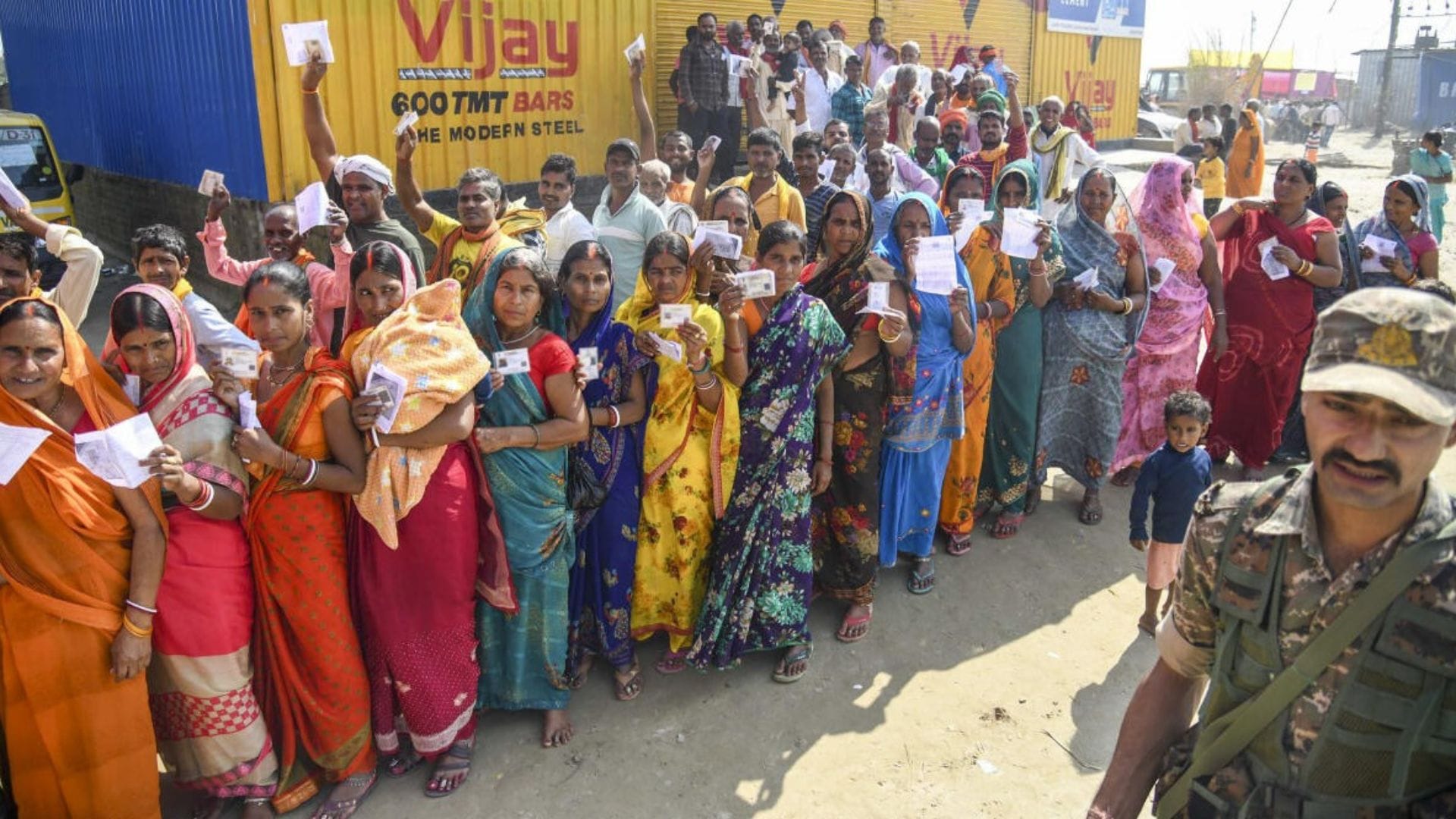
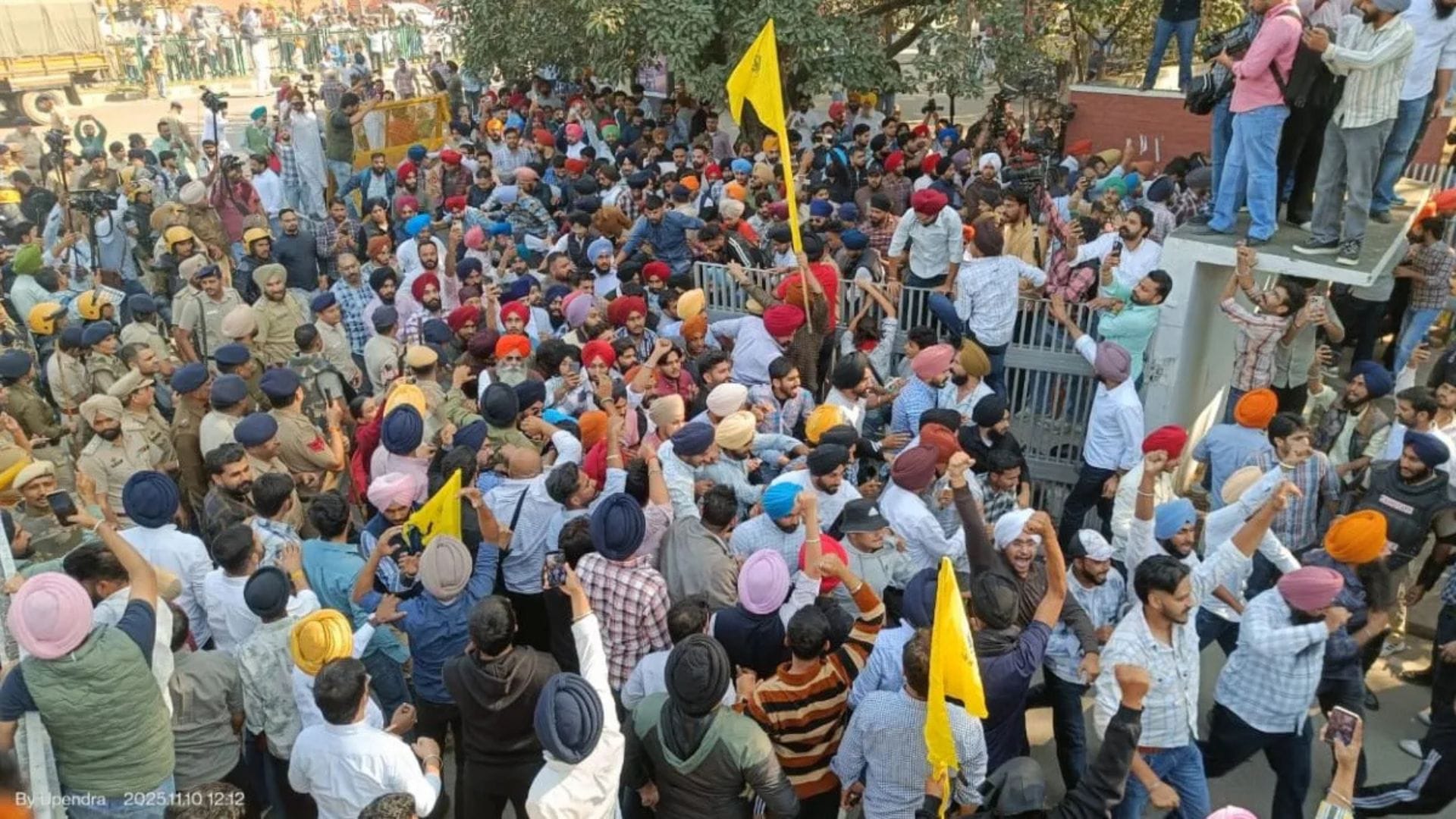





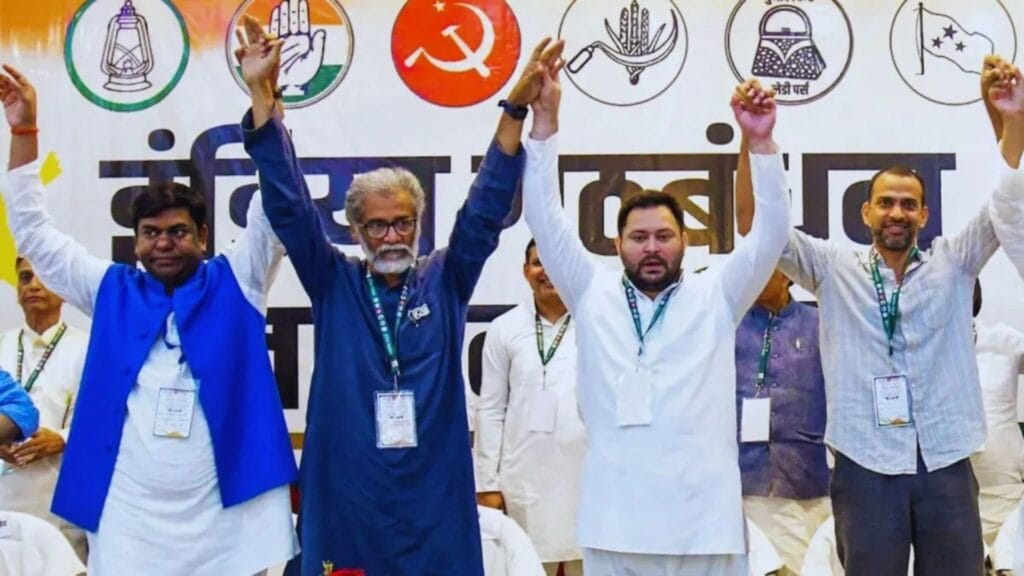
Bihar: The record-breaking voter turnout in the first phase of the Bihar Assembly elections has thrown the political analysis wide open, turning the counting day into a high-stakes guessing game. With voters queuing up in numbers the state hasn’t witnessed in decades (reaching a historic 64.66% in Phase 1), both the ruling National Democratic Alliance (NDA) and the opposition Mahagathbandhan (MGB) are confidently claiming the surge is in their favor. But what does this unprecedented enthusiasm truly signify?
📈 The High Turnout: A Dual-Sided Coin
Historically in Bihar, a significantly high voter turnout has often been interpreted as a sign of anti-incumbency—a collective push by voters eager for a regime change. This narrative fuels the Mahagathbandhan’s hopes, led by a resurgent RJD, whose campaign has heavily focused on issues like unemployment and a desire for change, resonating strongly with the youth.
However, the NDA is equally bullish. The ruling alliance, centered around the JD(U) and BJP, argues that the turnout is a demonstration of pro-incumbency enthusiasm, particularly among the beneficiaries of central and state welfare schemes. The noticeable increase in participation from women voters (often higher than men) and in seats reserved for Scheduled Castes (SCs) is a critical metric here, as these groups have often been targeted by the incumbent government’s social engineering and welfare policies.
* Mahagathbandhan’s Hope: High turnout signals a yearning for parivartan (change), driven by anti-incumbency sentiments over issues like jobs and migration.
* NDA’s Claim: High turnout reflects trust in the “double-engine” government’s development plank and is a vote of confidence from beneficiaries of welfare schemes, especially women and Dalits.
📊 The ‘60% Turnout Puzzle’ and Past Trends
Political analysts often point to an intriguing trend related to the 60% mark:
* Below 60% Turnout: All of Nitish Kumar’s clear victories (2005, 2010, 2015, and the close contest in 2020) were recorded when the final voter turnout remained below the 60% threshold.
* Above 60% Turnout: A surge past this mark, as seen in the first phase, historically suggests a stronger possibility of a major political shift or a wave for change.
This time, with the first phase crossing the 64% mark, the traditional pattern is being tested like never before. The jump is substantial—an over 8-percentage-point increase from the first phase of the 2020 Assembly polls. This indicates a high level of voter mobilization and excitement across the board.
🔑 The Decisive Factors: Demographics and Vote Split
The 2020 election saw a razor-thin difference in vote share—a mere 0.03% separated the NDA’s total vote share from the MGB’s, yet the seat gap was significant (125 seats to 110). This underscores the fragility of Bihar’s First-Past-the-Post system, where small vote swings or a ‘spoiler’ candidate can disproportionately affect the seat tally.
In the current context, the narrative has shifted to the surge in Dalit voter participation and the influence of new political entrants, whose candidates might act as spoilers, potentially fragmenting the anti-incumbency vote which typically favours the opposition.
The eventual outcome will not just depend on how many people voted, but who they voted for. Whether the wave of first-time and enthusiastic voters was driven by a desire to unseat the incumbent or to reward them for their work will only be revealed on the counting day.
What is your next question about the Bihar elections? Would you like an analysis on the key seats to watch in the subsequent phases or a breakdown of the core issues that dominated the el
ection campaign?